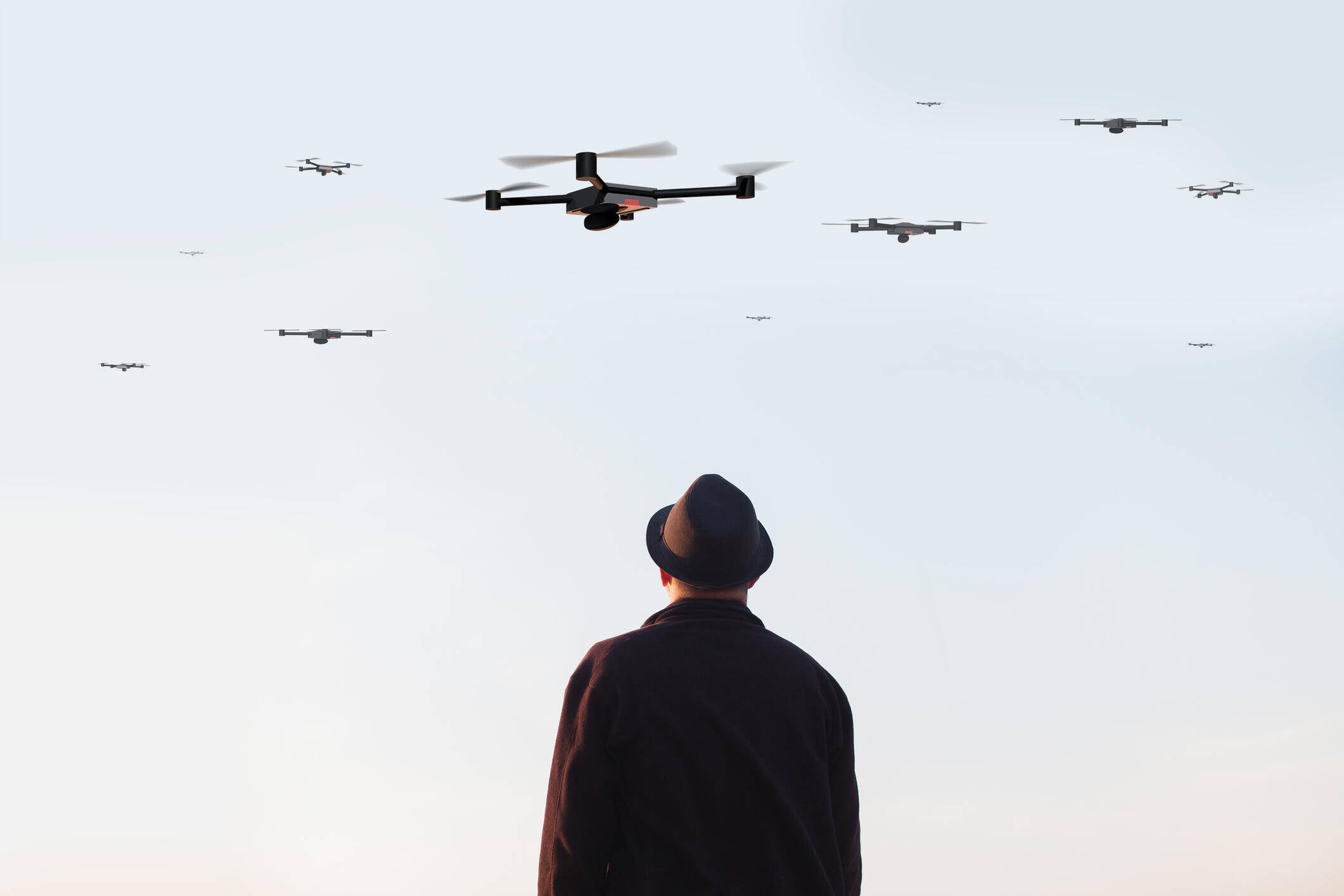
Drone operations are beginning to happen at scale and finding common ground in their management is essential.





Reinaldo Negron, Head of UTM at Wing


Communities where we operate welcome drones...
“Some communities in the US are waking up to drone delivery every day,” says Reinaldo Negron, Head of UTM at Wing. “It is becoming part of daily life, and that experience is expanding to new communities across the country. Our research shows that communities where we operate welcome drones and view the experience positively. They recognise the value drones provide.”
Unmanned Aircraft System Traffic Management (UTM) supported 500,000 flights in the United States during the first five months of 2026, showing that large-scale drone operations have become an everyday reality.
In the United States, drones operate below 400 ft, keeping them separate from civil aviation. With its Normalizing Unmanned Aircraft Systems Beyond Visual Line of Sight Operations rulemaking, the FAA is considering right of way changes driving crewed aircraft equipage when flying below 500ft and requiring drone to drone Strategic Deconfliction over populated areas.
“The FAA rulemaking should enable nationwide operations in a risk proportionate framework enabling the continued rapid scale of safe operations.” says Negron.
In the United States, the Federal Aviation Administration (FAA) asked operators to develop proposals focused on reducing drone to drone collision risk resulting in the adoption of strategic deconfliction. Several drone operators happened to operate or expected to operate in Dallas, where they created a framework built on technical and operational committees and shared principles. There was no dependency on government services or ANSP data exchange.
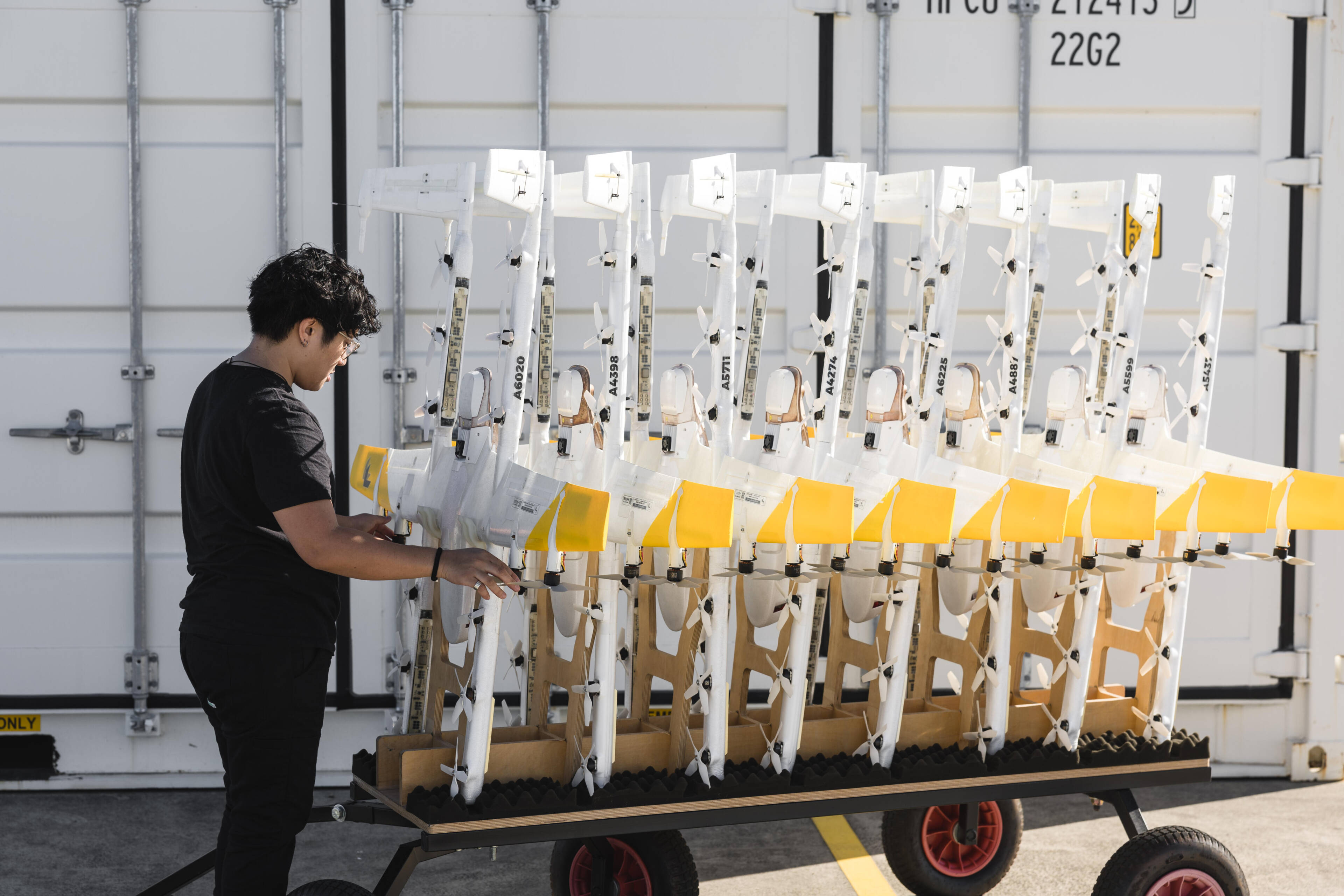
Their work persuaded the FAA which issued a Letter of Acceptance for the Strategic Deconfliction service. What began with four service providers has grown to some 15 companies offering around 5,000 flights a day for a wide range of clients, including Walmart. Wing alone has completed more than one million deliveries in the United States.
But progress in the United States has not yet been matched elsewhere. Other regions are operating drones, but so far most flights remain exceptions rather than routine activity.
The challenge is to enable and manage large-scale drone operations worldwide.
How this will be achieved varies by country. UTM has different names and frameworks, but at its core it is a digital ecosystem for sharing data.
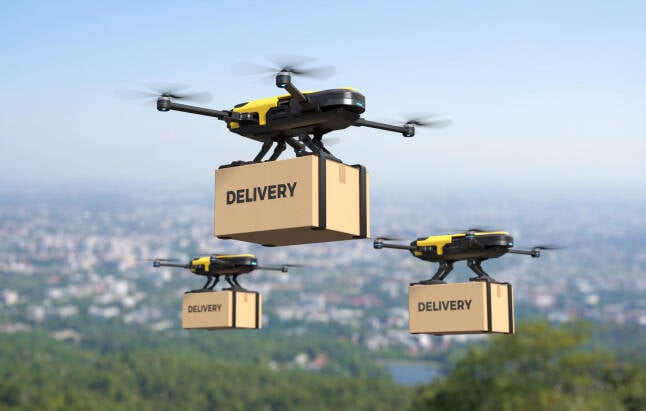

In Europe, all the ingredients are there but they haven't found the right recipe yet.
The European Union Aviation Safety Agency (EASA) only issued its first USSP certificate in 2025, to ANRA Technologies. To accelerate progress, a U-Space Light proposal would allow drone operators to use automated risk-mitigation maps while full USSP networks continue to mature.
“In Europe, all the ingredients are there – e-conspicuity, risk assessment, U-space services – but they haven’t found the right recipe yet,” says Negron. “There is no need to spend energy on standards that already exist. As drone operators, we face enormous demand for our services and are reaching a critical point where we need to meet that demand.”
Europe has taken a different, more top-down approach. In Switzerland, for example, operators need core competencies verified by a U-Space operator before entering U-Space, a designated airspace for scaled drone operations. Trials have succeeded, but operations remain far from commercial scale. Europe still has no designated U-Space.
In the European Union, a U-Space Service Provider (USSP) delivers safety services directly to drone operators. In markets where there is a Single Common Information Service Provider (CISP), the national air navigation service provider (ANSP) generally fulfils that function. In practice, the ANSP provides critical airspace information and the USSP manages drone operators in the airspace. A CISP, moreover, cannot be a USSP because that would effectively create a monopoly in a national market.
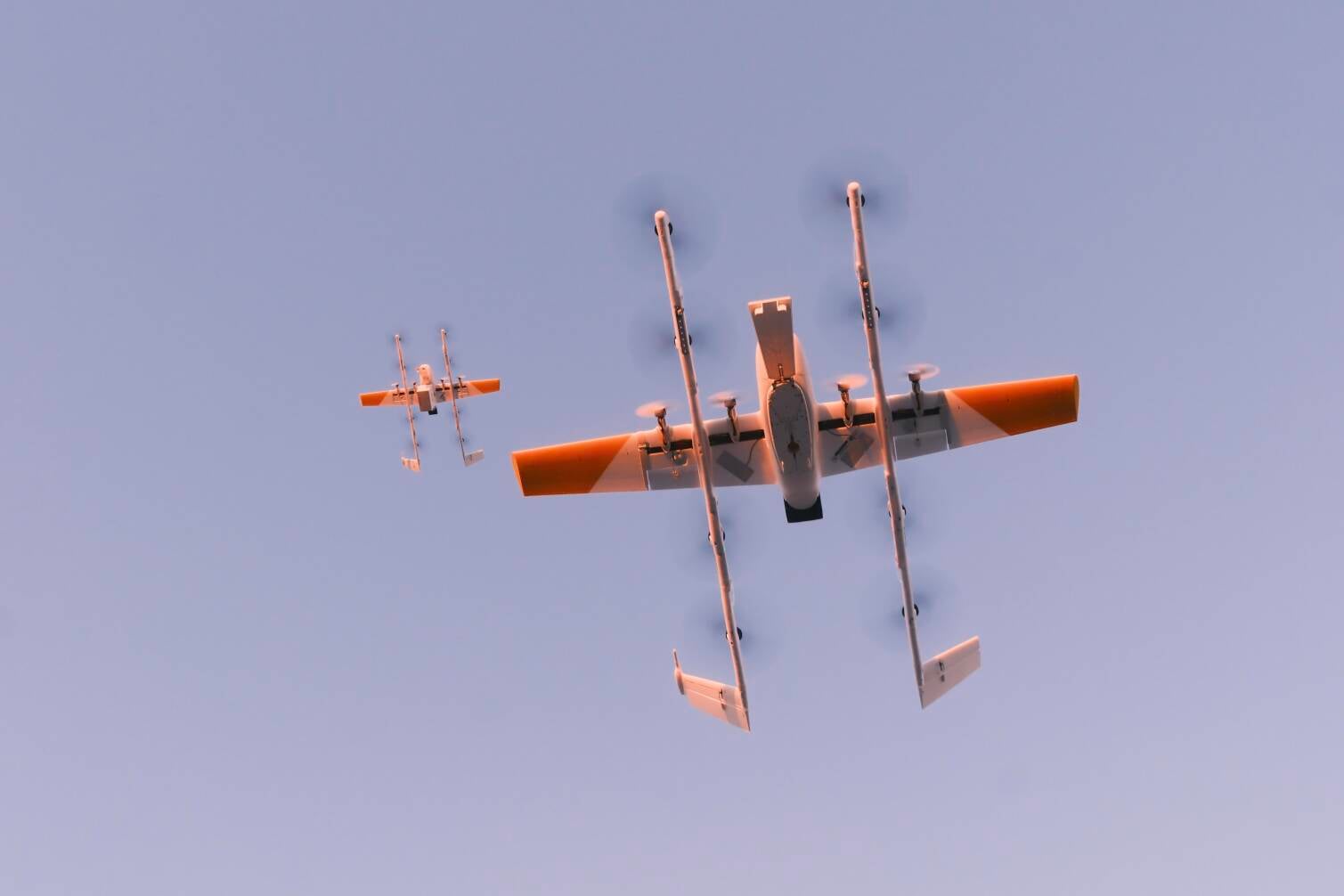
NAV CANADA, meanwhile, has selected Indra Group as its technology partner for safely integrating drones into Canadian airspace. Indra Group’s solution will simplify coordination between NAV CANADA, operators, authorities and drone traffic management service providers, while gradually advancing operational intelligence and tactical conflict management capabilities.
The norm has been for a pilot or flight coordinator to play a role at first, but the scale of operations will make tactical changes increasingly difficult. Most solutions are therefore going to be fully autonomous.
Elsewhere, agreements to manage drone airspace are accelerating. The Civil Aviation Authority of Singapore (CAAS) has awarded Thales a contract to deliver a UTM system, while in Malaysia, Unifly is the technology partner for the national UTM platform. The platform’s capabilities include geoawareness, flight authorisation, network identification and traffic information services. Open Application Programming Interface (API) capabilities. will support interoperability with drones and third-party systems.

“Public-private partnership has shown that implementation and policy development can go hand-in-hand, without one blocking the other,” says Negron. “When leveraging safe procedures like those in international standards, we can begin operations and refine regulations and governance over time.”
The technology is in place, as are many of the standards. The challenge now is scalability and meeting the obvious demand.
Negron suggests global capacity will come from repeatable regulatory pathways rather than each market developing its own rules. Civil aviation followed a similar path, and drones are likely to move from exemptions and operational evaluations into regulatory frameworks, like the progress toward Part 108 and 146 in the United States, over time.
“Operators are working together because nobody wants to be a blocker,” says Negron. “Everybody wants to be an enabler. This is the safety paradigm of broader aviation. For example, airlines compete, but they remain safe and follow the same rules. The drone sector needs the same approach.”

Services are ready for the envisioned commercial scale.
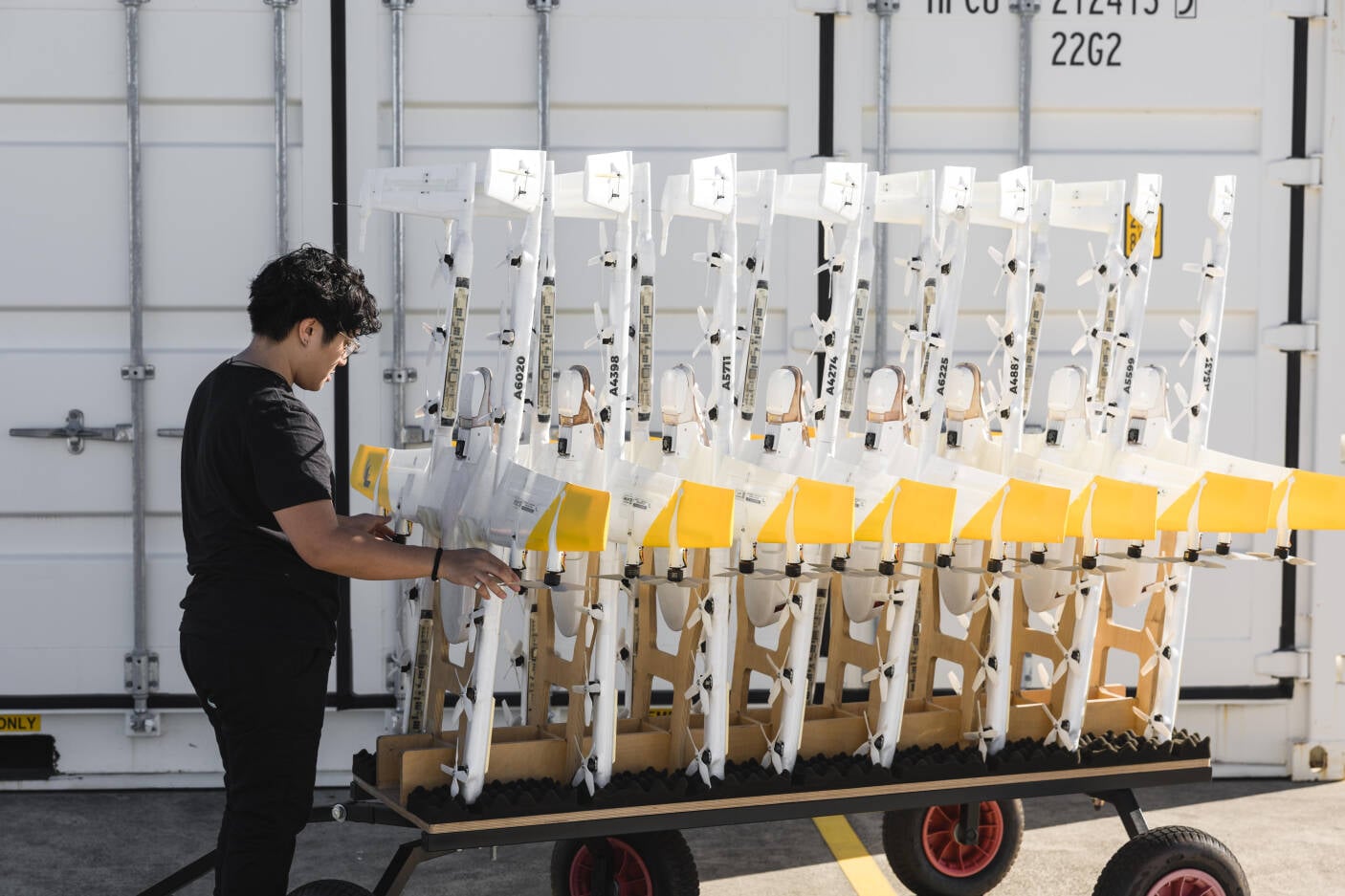
“Although UTM foundations have been progressing for some time, scaled, commercial implementation is relatively new in aviation,” Negron concludes. “However, with 100,000 flights per month of overlapping drone operations already happening in the United States, existing drones and UTM services are ready for the envisioned commercial scale.”
Reinaldo Negron, Head of UTM at Wing
Negron says this is positive because it supports innovation. A prescriptive top-down approach, he suggests, can sometimes seek solutions to problems that do not need solving.
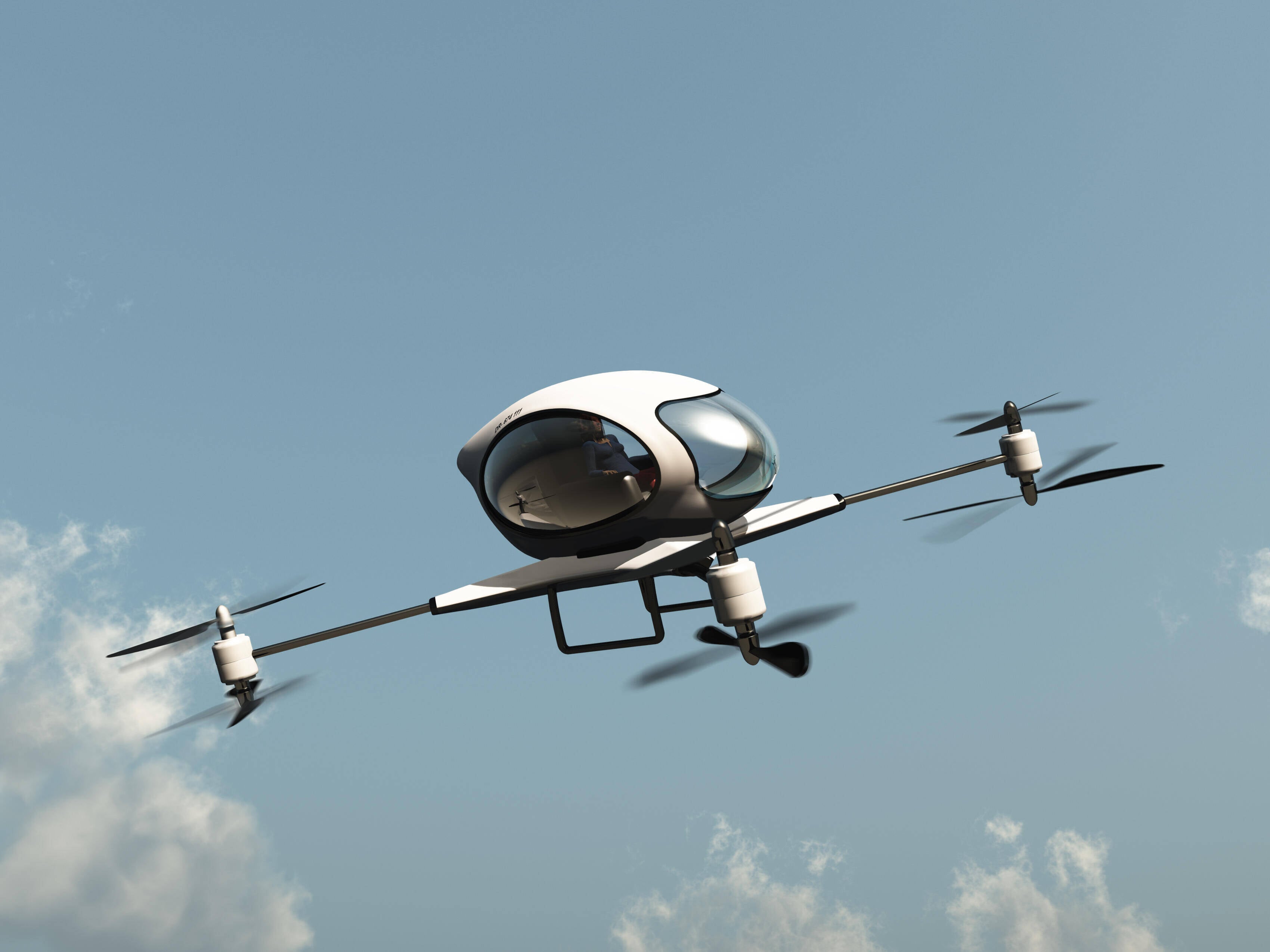
Trials and current operations necessarily keep drones separate below 400ft, often because the law requires it, but discussions are now underway on how airspace could be integrated. Electric vertical take-off and landing (eVTOL) vehicles must also be considered. However, they will be equipped with Automatic Dependent Surveillance–Broadcast (ADS-B) Out, giving lower-level airspace users visibility of one another. Fully integrated airspace may not even be necessary if all users can communicate and meet their commercial requirements.

Drone operations are beginning to happen at scale and finding common ground in their management is essential.

Communities where we operate welcome drones...
“Some communities in the US are waking up to drone delivery every day,” says Reinaldo Negron, Head of UTM at Wing. “It is becoming part of daily life, and that experience is expanding to new communities across the country. Our research shows that communities where we operate welcome drones and view the experience positively. They recognise the value drones provide.”
Unmanned Aircraft System Traffic Management (UTM) supported 500,000 flights in the United States during the first five months of 2026, showing that large-scale drone operations have become an everyday reality.
Reinaldo Negron, Head of UTM at Wing


In the United States, drones operate below 400 ft, keeping them separate from civil aviation. With its Normalizing Unmanned Aircraft Systems Beyond Visual Line of Sight Operations rulemaking, the FAA is considering right of way changes driving crewed aircraft equipage when flying below 500ft and requiring drone to drone Strategic Deconfliction over populated areas.
“The FAA rulemaking should enable nationwide operations in a risk proportionate framework enabling the continued rapid scale of safe operations.” says Negron.
In the United States, the Federal Aviation Administration (FAA) asked operators to develop proposals focused on reducing drone to drone collision risk resulting in the adoption of strategic deconfliction. Several drone operators happened to operate or expected to operate in Dallas, where they created a framework built on technical and operational committees and shared principles. There was no dependency on government services or ANSP data exchange.
Their work persuaded the FAA which issued a Letter of Acceptance for the Strategic Deconfliction service. What began with four service providers has grown to some 15 companies offering around 5,000 flights a day for a wide range of clients, including Walmart. Wing alone has completed more than one million deliveries in the United States.
But progress in the United States has not yet been matched elsewhere. Other regions are operating drones, but so far most flights remain exceptions rather than routine activity.
The challenge is to enable and manage large-scale drone operations worldwide.
How this will be achieved varies by country. UTM has different names and frameworks, but at its core it is a digital ecosystem for sharing data.
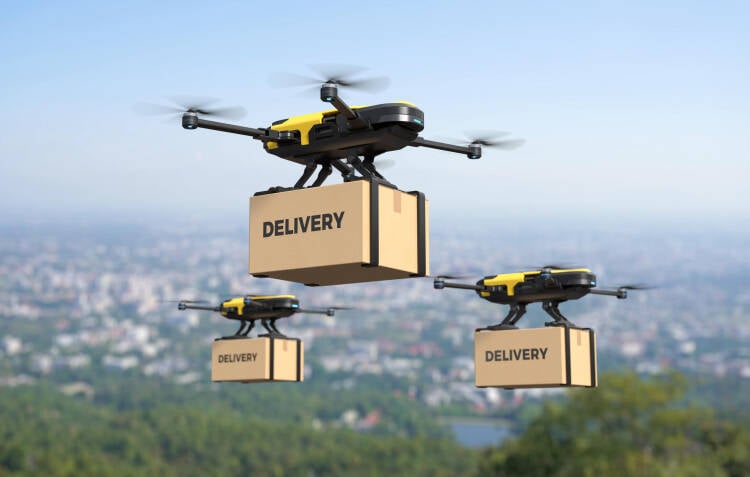
In Europe, all the ingredients are there but they haven't found the right recipe yet.
The European Union Aviation Safety Agency (EASA) only issued its first USSP certificate in 2025, to ANRA Technologies. To accelerate progress, a U-Space Light proposal would allow drone operators to use automated risk-mitigation maps while full USSP networks continue to mature.
“In Europe, all the ingredients are there – e-conspicuity, risk assessment, U-space services – but they haven’t found the right recipe yet,” says Negron. “There is no need to spend energy on standards that already exist. As drone operators, we face enormous demand for our services and are reaching a critical point where we need to meet that demand.”
Europe has taken a different, more top-down approach. In Switzerland, for example, operators need core competencies verified by a U-Space operator before entering U-Space, a designated airspace for scaled drone operations. Trials have succeeded, but operations remain far from commercial scale. Europe still has no designated U-Space.
In the European Union, a U-Space Service Provider (USSP) delivers safety services directly to drone operators. In markets where there is a Single Common Information Service Provider (CISP), the national air navigation service provider (ANSP) generally fulfils that function. In practice, the ANSP provides critical airspace information and the USSP manages drone operators in the airspace. A CISP, moreover, cannot be a USSP because that would effectively create a monopoly in a national market.
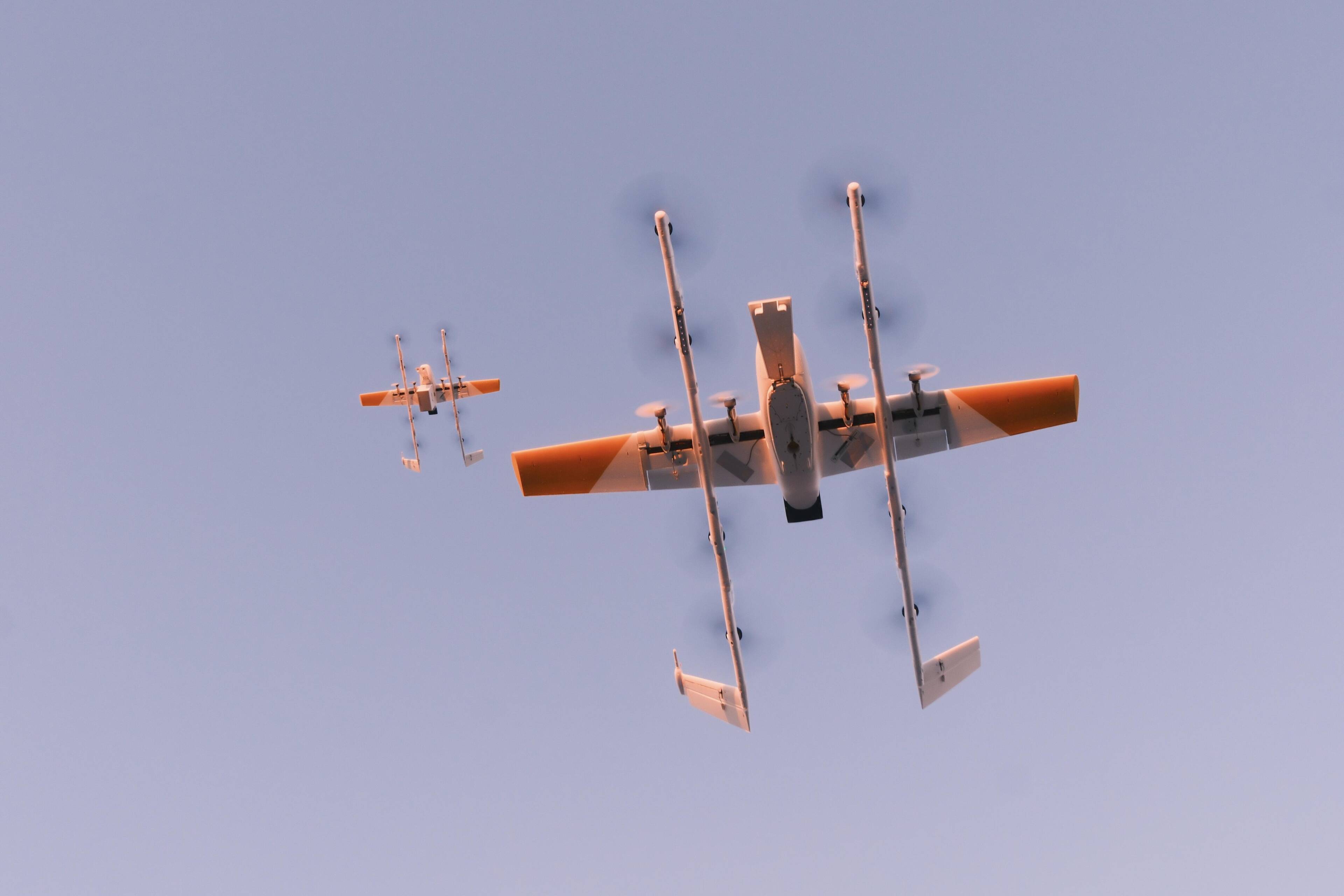

NAV CANADA, meanwhile, has selected Indra Group as its technology partner for safely integrating drones into Canadian airspace. Indra Group’s solution will simplify coordination between NAV CANADA, operators, authorities and drone traffic management service providers, while gradually advancing operational intelligence and tactical conflict management capabilities.
The norm has been for a pilot or flight coordinator to play a role at first, but the scale of operations will make tactical changes increasingly difficult. Most solutions are therefore going to be fully autonomous.
Elsewhere, agreements to manage drone airspace are accelerating. The Civil Aviation Authority of Singapore (CAAS) has awarded Thales a contract to deliver a UTM system, while in Malaysia, Unifly is the technology partner for the national UTM platform. The platform’s capabilities include geoawareness, flight authorisation, network identification and traffic information services. Open Application Programming Interface (API) capabilities. will support interoperability with drones and third-party systems.
“Public-private partnership has shown that implementation and policy development can go hand-in-hand, without one blocking the other,” says Negron. “When leveraging safe procedures like those in international standards, we can begin operations and refine regulations and governance over time.”
The technology is in place, as are many of the standards. The challenge now is scalability and meeting the obvious demand.
Negron suggests global capacity will come from repeatable regulatory pathways rather than each market developing its own rules. Civil aviation followed a similar path, and drones are likely to move from exemptions and operational evaluations into regulatory frameworks, like the progress toward Part 108 and 146 in the United States, over time.
“Operators are working together because nobody wants to be a blocker,” says Negron. “Everybody wants to be an enabler. This is the safety paradigm of broader aviation. For example, airlines compete, but they remain safe and follow the same rules. The drone sector needs the same approach.”
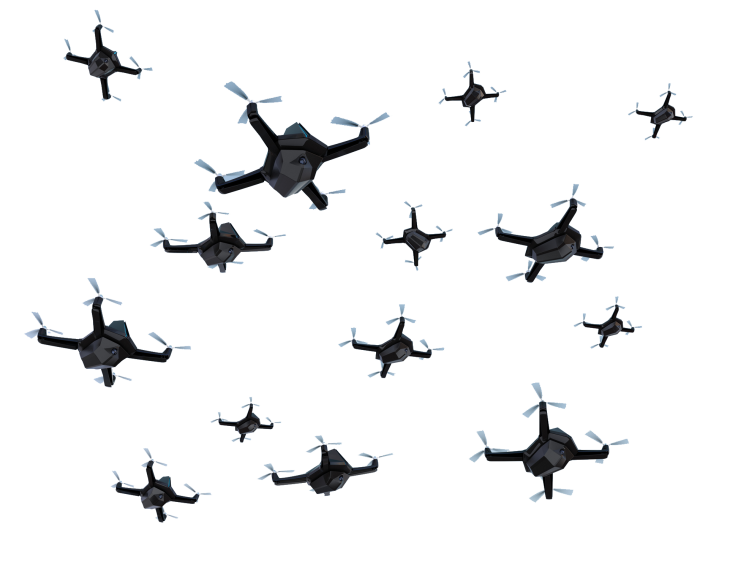
Services are ready for the envisioned commercial scale.
Negron says this is positive because it supports innovation. A prescriptive top-down approach, he suggests, can sometimes seek solutions to problems that do not need solving.
Trials and current operations necessarily keep drones separate below 400ft, often because the law requires it, but discussions are now underway on how airspace could be integrated. Electric vertical take-off and landing (eVTOL) vehicles must also be considered. However, they will be equipped with Automatic Dependent Surveillance–Broadcast (ADS-B) Out, giving lower-level airspace users visibility of one another. Fully integrated airspace may not even be necessary if all users can communicate and meet their commercial requirements.
“Although UTM foundations have been progressing for some time, scaled, commercial implementation is relatively new in aviation,” Negron concludes. “However, with 100,000 flights per month of overlapping drone operations already happening in the United States, existing drones and UTM services are ready for the envisioned commercial scale.”
Reinaldo Negron, Head of UTM at Wing