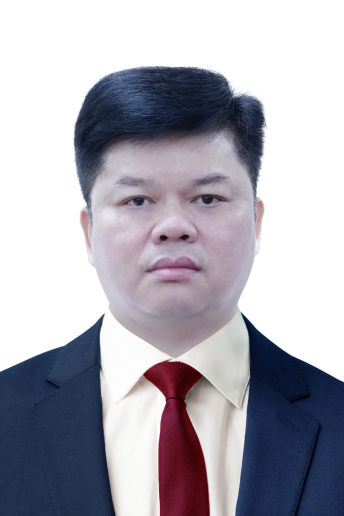
Ahead of the CANSO Asia Pacific Conference 2026, we talked to Nguyen Cong Long, Director General of the Vietnam Air Traffic Management Corporation (VATM) about Ho Chi Minh’s new gateway, Long Thanh International Airport, due to open later this year, and the need for human judgement in critical decisions.





AI and machine learning are capabilities we need to prepare for seriously.

After more than 30 years in air traffic management, particularly in aviation safety, my biggest lesson is very simple: safety is not a slogan, it is how we make decisions every day.
Leadership in this field is therefore not just about setting targets or issuing procedures. It is about creating a system in which people understand risk, feel able to report, learn from data and improve before incidents happen. As traffic grows, technology changes and new entrants appear, we must manage safety even more proactively.
A strong safety culture is built through very practical things, such as leaders who listen, staff who can report with trust, data that is used to learn rather than to blame, and an organisation that shares the same standard of action. That is the foundation of a sustainable ANSP.
To young professionals, I would say three things. First, master the fundamentals. ATM is not a field for superficial knowledge. Second, become comfortable with technology and data, because technology, AI and automation will increasingly become the common language of modern ATM. Third, develop an international mindset: collaborate, communicate, learn global standards and adapt to change.
This industry needs young people who are technically strong, disciplined and motivated by service. With curiosity, responsibility and a desire to contribute, you will not only keep pace with the future of ATM but you can also help shape it.
Automation will certainly go deeper but the more important question is how we design it.
For me, the future of ATM is not “no controllers”. It is controllers supported by better systems, better integrated data, earlier alerts, smarter decision-support tools and more automation of repetitive work.
That allows controllers to focus more on what people do best – understanding context, setting priorities, coordinating with others, managing abnormal situations and taking responsibility for safety-critical decisions.
In complex, non-standard or context-dependent situations, the experience and professional judgement of controllers remain irreplaceable. VATM’s direction is therefore human-centred automation. Technology supports people, and people remain in control of technology.
Air traffic controllers will continue to be a vital link in aviation safety. What changes is the working environment around them – more digital, more connected and more predictive.
I believe in AI, but not blindly. In a safety-critical field such as ATM, technology must earn trust. AI is valuable only when it helps people make better decisions, earlier and with stronger data behind them.
In VATM’s development orientation to 2030, with a vision to 2045, AI and machine learning are capabilities we need to prepare for seriously. I see AI as a tool that can help us move from mainly reactive operations to more predictive management.
The first impact is capacity and efficiency. AI can support demand-capacity forecasting, early detection of potential conflicts, arrival and departure sequencing and air traffic flow management. In a high-volume system, small improvements, if they are sustainable, can create significant operational value.
The second impact is safety. AI can analyse large volumes of data to identify risk patterns, detect weak signals and support warnings before hazards become incidents. In aviation meteorology, it can improve the identification and forecasting of hazardous weather, such as thunderstorms, turbulence, heavy rain and wind shear.
The third impact is resilience. Through predictive maintenance, AI can help monitor CNS infrastructure, detect performance degradation and support early intervention before service quality is affected.
The fourth impact is a greener sky. Combined with Trajectory-Based Operations (TBO), AI can help optimise trajectories, reduce holding and vectoring, save fuel and lower CO2 emissions.
The key is governance. AI in ATM must be validated, explainable, cybersecure and designed around people. The final responsibility remains with qualified professionals. AI does not replace their judgement; it should make that judgement stronger.
Yes. Airspace is becoming much more diverse. Conventional commercial aviation remains the foundation, but we also must prepare for unmanned aerial vehicles and drones, advanced air mobility, low-altitude operations, test flights, higher-airspace activities and new service models that have not previously existed on scale.
The best answer is not to bolt these entrants onto an old system. We need to design safe integration from the start, using a risk- and performance-based framework. That framework needs clear regulation, digital tools, identification and surveillance capabilities, connectivity standards, coordination procedures and well-defined responsibilities.
I also believe safety communication is just as important as technology. Around airports, aerodromes, prohibited areas and restricted zones, new operators must understand authorisation, coordination and airspace compliance requirements. Without operational discipline, innovation can quickly become a risk.
Handled well, Vietnam can develop the low-altitude economy responsibly, create new services and new value, while protecting what matters most: the safety and integrity of controlled airspace.
Yes, this is not only about changing the way we manage one airport. It is about changing the way we manage capacity across the network.
As Long Thanh enters operation and demand continues to grow, a decision at one airport can affect routes, terminal airspace, runway flows, slot allocation, ground operations and the capacity of other airports. So, the question is no longer, “How many more flights can one airport handle?” It is, “Can the whole system handle demand safely and efficiently?”
That is why VATM is moving towards more data-led and collaborative operations. The focus is on air traffic flow management (ATFM), Airport Collaborative Decision-Making (A-CDM), near-real-time data sharing and closer coordination among the regulator, air navigation service provider, airports, airlines, military authorities and airspace users.
Our goal is a national ATM ecosystem that can look ahead, decide earlier and coordinate as one system. When all parties work from a shared picture, capacity can grow while safety remains at the centre.
The important point at Long Thanh is not any single piece of equipment. It is how the systems come together as one operational environment. VATM is deploying an integrated ATM technology ecosystem covering CNS, aviation meteorology, surface surveillance, tower systems and digital interfaces for collaborative operations.
In CNS, VATM has implemented multiple technologies. The aim is continuous surveillance coverage, stable air-ground communications and the resilience required for a high-volume airport.
At the Long Thanh ATC Tower, Advanced Surface Movement Guidance and Control System (A-SMGCS) is a particularly important capability. It fuses data from VATM systems and airport operator systems, giving controllers a coherent, near-real-time picture of movements on the apron, taxiways and runway.
In aviation meteorology, VATM has deployed Automated Weather Observing System=, weather radar and automated Lidar scanning. These capabilities support earlier detection of hazardous phenomena, such as wind shear, thunderstorms, heavy rain and reduced visibility, providing timely information to controllers and flight crews during take-off and landing phases.
In short, Long Thanh gives VATM the opportunity to move Vietnamese ATM another step forward: safer, more digital, more interoperable and ready for data-led operations in the future.
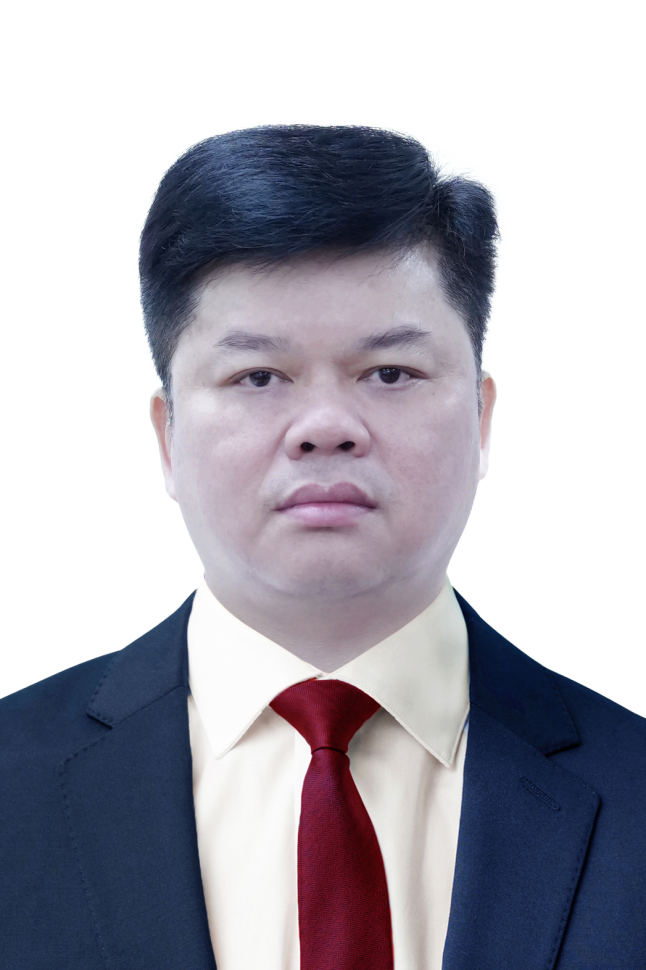
Nguyen Cong Long, Director General of the Vietnam Air Traffic Management Corporation (VATM)
For VATM, Long Thanh is not just a new infrastructure project. It is a capacity project: capacity for growth, for regional connectivity and, above all, for the safe operation of a new international aviation gateway for Vietnam.
Within the programme, Component Project 2, “Air Traffic Management Facilities”, has a clear purpose. Led by VATM, it provides an operational foundation that allows the airport to work safely, predictably and at scale from the beginning. I see it as a long-term commitment, not simply as a technical work package.
We set three tests for ourselves: safety must come first, delivery must come with quality, and the system must be ready for real operations, not just construction completion. VATM has brought together expertise from across the organisation and worked closely with regulators, airport stakeholders, component project owners and technology partners to keep the ATM programme aligned with the wider airport development.
By June 2026, the main equipment packages at the Long Thanh ATC Tower and the Communication, Navigation and Surveillance (CNS) facilities had largely been integrated, flight-checked and prepared for operational use. Architectural, landscape and interior works at the tower are also being finalised, so the facility meets not only technical and operational requirements but also the expectations of a modern aviation command centre.
Looking to the next phase, particularly the second runway, VATM is reviewing operational requirements, completing the necessary studies and preparing the conditions that will allow ATM capacity to expand in step with Long Thanh’s long-term development.
What are your plans for the new Long Thanh International Airport?
What lessons have you learned as a leader in ATM and what advice would you give to young talent looking to build a career in the sector?
Are we moving towards automation or will there always be a role for the human in air traffic control?
Are you a believer in artificial intelligence (AI)?
Is airspace becoming more complex to manage?
Will you be forced to change how you manage other Vietnamese airports?
What new systems will you employ?




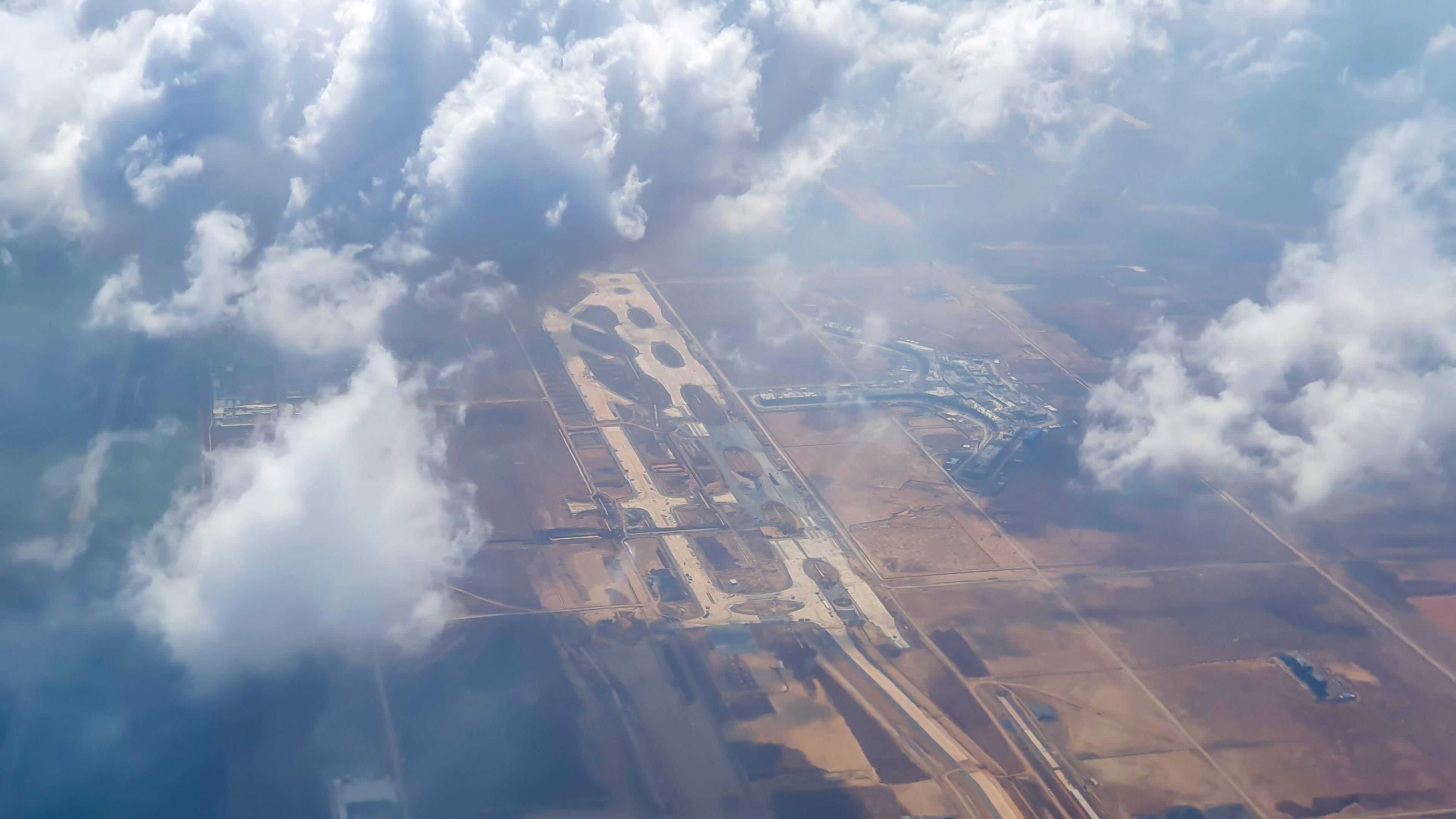

Ahead of the CANSO Asia Pacific Conference 2026, we talked to Nguyen Cong Long, Director General of the Vietnam Air Traffic Management Corporation (VATM) about Ho Chi Minh’s new gateway, Long Thanh International Airport, due to open later this year, and the need for human judgement in critical decisions.


After more than 30 years in air traffic management, particularly in aviation safety, my biggest lesson is very simple: safety is not a slogan, it is how we make decisions every day.
Leadership in this field is therefore not just about setting targets or issuing procedures. It is about creating a system in which people understand risk, feel able to report, learn from data and improve before incidents happen. As traffic grows, technology changes and new entrants appear, we must manage safety even more proactively.
A strong safety culture is built through very practical things, such as leaders who listen, staff who can report with trust, data that is used to learn rather than to blame, and an organisation that shares the same standard of action. That is the foundation of a sustainable ANSP.
To young professionals, I would say three things. First, master the fundamentals. ATM is not a field for superficial knowledge. Second, become comfortable with technology and data, because technology, AI and automation will increasingly become the common language of modern ATM. Third, develop an international mindset: collaborate, communicate, learn global standards and adapt to change.
This industry needs young people who are technically strong, disciplined and motivated by service. With curiosity, responsibility and a desire to contribute, you will not only keep pace with the future of ATM but you can also help shape it.
What lessons have you learned as a leader in ATM and what advice would you give to young talent looking to build a career in the sector?
Automation will certainly go deeper but the more important question is how we design it.
For me, the future of ATM is not “no controllers”. It is controllers supported by better systems, better integrated data, earlier alerts, smarter decision-support tools and more automation of repetitive work.
That allows controllers to focus more on what people do best – understanding context, setting priorities, coordinating with others, managing abnormal situations and taking responsibility for safety-critical decisions.
In complex, non-standard or context-dependent situations, the experience and professional judgement of controllers remain irreplaceable. VATM’s direction is therefore human-centred automation. Technology supports people, and people remain in control of technology.
Air traffic controllers will continue to be a vital link in aviation safety. What changes is the working environment around them – more digital, more connected and more predictive.
Are we moving towards automation or will there always be a role for the human in air traffic control?
I believe in AI, but not blindly. In a safety-critical field such as ATM, technology must earn trust. AI is valuable only when it helps people make better decisions, earlier and with stronger data behind them.
In VATM’s development orientation to 2030, with a vision to 2045, AI and machine learning are capabilities we need to prepare for seriously. I see AI as a tool that can help us move from mainly reactive operations to more predictive management.
The first impact is capacity and efficiency. AI can support demand-capacity forecasting, early detection of potential conflicts, arrival and departure sequencing and air traffic flow management. In a high-volume system, small improvements, if they are sustainable, can create significant operational value.
The second impact is safety. AI can analyse large volumes of data to identify risk patterns, detect weak signals and support warnings before hazards become incidents. In aviation meteorology, it can improve the identification and forecasting of hazardous weather, such as thunderstorms, turbulence, heavy rain and wind shear.
The third impact is resilience. Through predictive maintenance, AI can help monitor CNS infrastructure, detect performance degradation and support early intervention before service quality is affected.
The fourth impact is a greener sky. Combined with Trajectory-Based Operations (TBO), AI can help optimise trajectories, reduce holding and vectoring, save fuel and lower CO2 emissions.
The key is governance. AI in ATM must be validated, explainable, cybersecure and designed around people. The final responsibility remains with qualified professionals. AI does not replace their judgement; it should make that judgement stronger.
Are you a believer in artificial intelligence (AI)?

AI and machine learning are capabilities we need to prepare for seriously.
Yes. Airspace is becoming much more diverse. Conventional commercial aviation remains the foundation, but we also must prepare for unmanned aerial vehicles and drones, advanced air mobility, low-altitude operations, test flights, higher-airspace activities and new service models that have not previously existed on scale.
The best answer is not to bolt these entrants onto an old system. We need to design safe integration from the start, using a risk- and performance-based framework. That framework needs clear regulation, digital tools, identification and surveillance capabilities, connectivity standards, coordination procedures and well-defined responsibilities.
I also believe safety communication is just as important as technology. Around airports, aerodromes, prohibited areas and restricted zones, new operators must understand authorisation, coordination and airspace compliance requirements. Without operational discipline, innovation can quickly become a risk.
Handled well, Vietnam can develop the low-altitude economy responsibly, create new services and new value, while protecting what matters most: the safety and integrity of controlled airspace.
Is airspace becoming more complex to manage?
Yes, this is not only about changing the way we manage one airport. It is about changing the way we manage capacity across the network.
As Long Thanh enters operation and demand continues to grow, a decision at one airport can affect routes, terminal airspace, runway flows, slot allocation, ground operations and the capacity of other airports. So, the question is no longer, “How many more flights can one airport handle?” It is, “Can the whole system handle demand safely and efficiently?”
That is why VATM is moving towards more data-led and collaborative operations. The focus is on air traffic flow management (ATFM), Airport Collaborative Decision-Making (A-CDM), near-real-time data sharing and closer coordination among the regulator, air navigation service provider, airports, airlines, military authorities and airspace users.
Our goal is a national ATM ecosystem that can look ahead, decide earlier and coordinate as one system. When all parties work from a shared picture, capacity can grow while safety remains at the centre.
Will you be forced to change how you manage other Vietnamese airports?
The important point at Long Thanh is not any single piece of equipment. It is how the systems come together as one operational environment. VATM is deploying an integrated ATM technology ecosystem covering CNS, aviation meteorology, surface surveillance, tower systems and digital interfaces for collaborative operations.
In CNS, VATM has implemented multiple technologies. The aim is continuous surveillance coverage, stable air-ground communications and the resilience required for a high-volume airport.
At the Long Thanh ATC Tower, Advanced Surface Movement Guidance and Control System (A-SMGCS) is a particularly important capability. It fuses data from VATM systems and airport operator systems, giving controllers a coherent, near-real-time picture of movements on the apron, taxiways and runway.
In aviation meteorology, VATM has deployed Automated Weather Observing System=, weather radar and automated Lidar scanning. These capabilities support earlier detection of hazardous phenomena, such as wind shear, thunderstorms, heavy rain and reduced visibility, providing timely information to controllers and flight crews during take-off and landing phases.
In short, Long Thanh gives VATM the opportunity to move Vietnamese ATM another step forward: safer, more digital, more interoperable and ready for data-led operations in the future.
What new systems will you employ?
For VATM, Long Thanh is not just a new infrastructure project. It is a capacity project: capacity for growth, for regional connectivity and, above all, for the safe operation of a new international aviation gateway for Vietnam.
Within the programme, Component Project 2, “Air Traffic Management Facilities”, has a clear purpose. Led by VATM, it provides an operational foundation that allows the airport to work safely, predictably and at scale from the beginning. I see it as a long-term commitment, not simply as a technical work package.
We set three tests for ourselves: safety must come first, delivery must come with quality, and the system must be ready for real operations, not just construction completion. VATM has brought together expertise from across the organisation and worked closely with regulators, airport stakeholders, component project owners and technology partners to keep the ATM programme aligned with the wider airport development.
By June 2026, the main equipment packages at the Long Thanh ATC Tower and the Communication, Navigation and Surveillance (CNS) facilities had largely been integrated, flight-checked and prepared for operational use. Architectural, landscape and interior works at the tower are also being finalised, so the facility meets not only technical and operational requirements but also the expectations of a modern aviation command centre.
Looking to the next phase, particularly the second runway, VATM is reviewing operational requirements, completing the necessary studies and preparing the conditions that will allow ATM capacity to expand in step with Long Thanh’s long-term development.
What are your plans for the new Long Thanh International Airport?
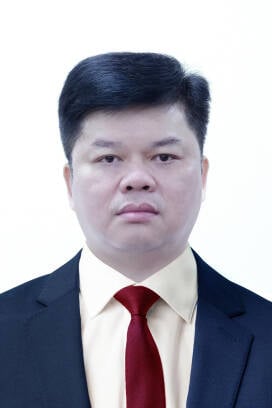
Nguyen Cong Long, Director General of the Vietnam Air Traffic Management Corporation (VATM)