As civil-military coordination becomes increasingly critical, ANSPs are developing new tools and procedures to meet changing operational demands.




Close
Conflicts in several regions continue to close or reshape airspace to support military operations.
Success factors
Ongoing initiatives
The solutions
The challenges
Despite this progress, Parini identifies five factors that ANSPs need to succeed in military mobility.
Regulatory clarity and harmonised frameworks, coordinated with national competent entities.
Dedicated financial mechanisms to support operational needs, including system modernisation and digitalisation, interoperability, infrastructure deployment, corridor creation and training,
Structured coordination involving all relevant bodies.
Shared technological solutions, particularly for data exchange and system interoperability.
Joint advocacy to secure funding for military mobility initiatives and protection of critical infrastructure.
Around the world, initiatives are addressing the operational, procedural, technical and infrastructure requirements of military mobility. ANSPs have, for example, established cross-border operational corridors, shared radar data with military stakeholders and created processes for dual-use airports.
Rapid Air Mobility procedures, digitised military flight data for full civilian interoperability, and training programmes for civil ATCOs handling military operations are also on the agenda.
“These advanced frameworks require sophisticated ANSP technical capabilities as well as long-term institutional and financial commitment,” says Parini.
As uncertainty increasingly defines the operating environment, European institutions have called for stronger civil-military cooperation. This led in November 2025 to the first regulatory package on military mobility.
The proposal gives ANSPs a valuable opportunity to be confirmed[CE1] within national frameworks as critical national infrastructure. These issues were examined at a November 2025 workshop because of their direct link to the Single European Sky performance and charging scheme, and the need for ANSPs to anticipate, assess and account for the costs of dual-use services and infrastructure where applicable.
“The Strategic and Political Group has also discussed the matter with an external speaker from the European Defence Agency (EDA), who will return to the topic to address strategic aspects and support a common roadmap,” says Enrico Parini, CANSO’s Director, European Affairs.
The European Commission’s proposal calls for structured, high-level dialogue between civil and military organisations, which will need to include the SESAR Deployment Manager (SDM), SESAR Joint Undertaking (SJU), NATO, EDA and EUROCONTROL.
The regulatory proposal recognises ANSPs’ role in implementing military air mobility measures. If the European Military Mobility Enhanced Response System (EMERS) is activated, ANSPs would provide the required airspace and access to aerodrome services.
The CANSO Europe Secretariat launched a survey on coordination activities jointly identified with EDA, confirming the central role of ANSPs in military mobility. The results show that European ANSPs recognise the importance of civil-military coordination, including in day-to-day operations, as reflected in the many integrated and co-located ANSPs across Europe that rely on close, continuous cooperation.
“ANSPs are essential actors whose operational, technical and strategic roles shape the feasibility and effectiveness of military air mobility across Europe,” says Parini.
Several major challenges remain, with workload the most immediate. Military operations are changing as aircraft performance continues to evolve, forcing ever greater stresses on ATCOs.
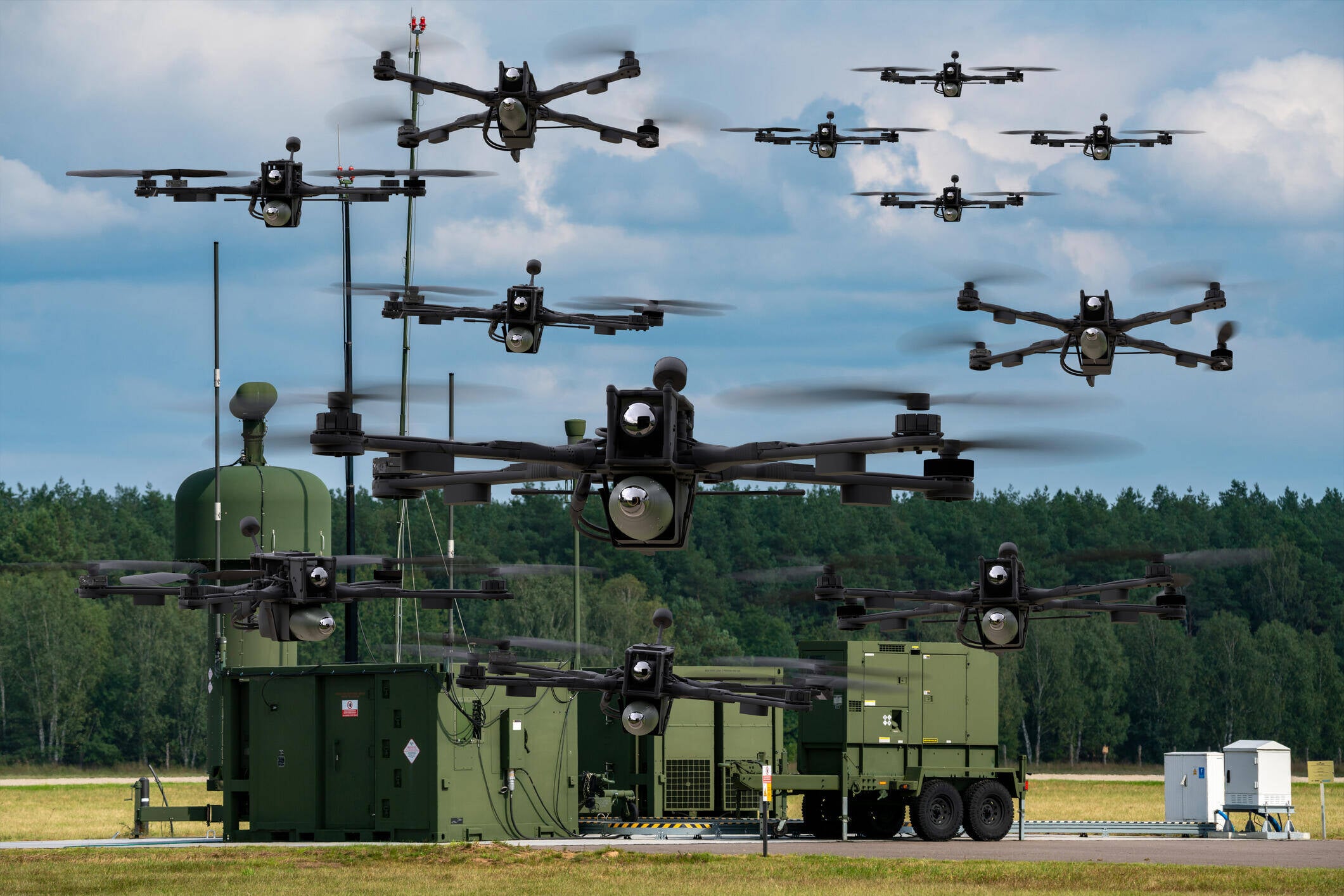
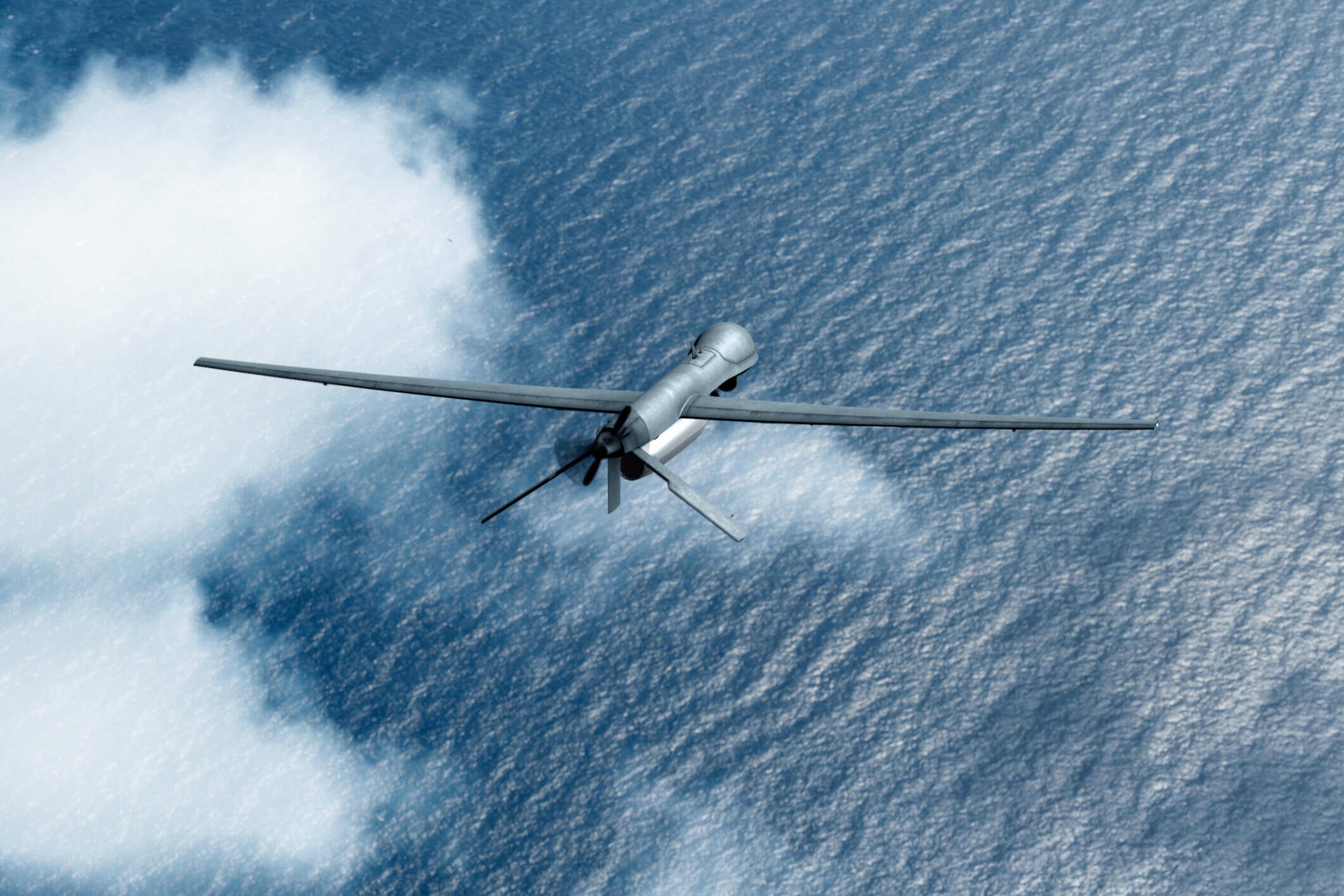
Unmanned aerial vehicles (UAVs) illustrate the point. Their altitude and endurance continue to increase: Medium-Altitude, Long-Endurance (MALE) vehicles fly between 10,000 and 30,000 feet and can remain airborne for 24 to 48 hours, while High-Altitude, Long-Endurance (HALE) drones operate above 50,000 feet for more than 30 hours. These timescales can mean immense geographical coverage and hence an extensive airspace impact.
To ease matters as much as possible, procedural and technical harmonisation must improve. Fragmented national approaches create inefficiencies, and cross-border ANSP coordination remains labour-intensive, legally demanding and technically complex. Seamless military mobility depends on interoperability between military command and control systems, civil ATM infrastructure and airport operations.
Seamless data exchange would help but that requires secure, standardised protocols that many ANSPs are only beginning to adopt, supported by continuous coordination to ensure that current and future technologies are interoperable and fit for purpose.
All this works takes not only time but also money. Corridor development, system upgrades, training and procedural harmonisation all create significant costs that traditional ANSPs or national defence budgets often do not cover.
Finally, regulation adds further complexity. In Europe, for example, managing national, North Atlantic Treaty Organization (NATO) and European Union legal frameworks requires dedicated regulatory and legal expertise, particularly to support interoperability and data exchange.
With air navigation service providers (ANSPs) also facing growing civil traffic and new entrants such as drones and space vehicles, improving cooperation between civil air traffic controllers (ATCOs) and their military counterparts has become a priority.

As civil-military coordination becomes increasingly critical, ANSPs are developing new tools and procedures to meet changing operational demands.

With air navigation service providers (ANSPs) also facing growing civil traffic and new entrants such as drones and space vehicles, improving cooperation between civil air traffic controllers (ATCOs) and their military counterparts has become a priority.
As uncertainty increasingly defines the operating environment, European institutions have called for stronger civil-military cooperation. This led in November 2025 to the first regulatory package on military mobility.
The proposal gives ANSPs a valuable opportunity to be confirmed[CE1] within national frameworks as critical national infrastructure. These issues were examined at a November 2025 workshop because of their direct link to the Single European Sky performance and charging scheme, and the need for ANSPs to anticipate, assess and account for the costs of dual-use services and infrastructure where applicable.
“The Strategic and Political Group has also discussed the matter with an external speaker from the European Defence Agency (EDA), who will return to the topic to address strategic aspects and support a common roadmap,” says Enrico Parini, CANSO’s Director, European Affairs.
The European Commission’s proposal calls for structured, high-level dialogue between civil and military organisations, which will need to include the SESAR Deployment Manager (SDM), SESAR Joint Undertaking (SJU), NATO, EDA and EUROCONTROL.
The regulatory proposal recognises ANSPs’ role in implementing military air mobility measures. If the European Military Mobility Enhanced Response System (EMERS) is activated, ANSPs would provide the required airspace and access to aerodrome services.
The CANSO Europe Secretariat launched a survey on coordination activities jointly identified with EDA, confirming the central role of ANSPs in military mobility. The results show that European ANSPs recognise the importance of civil-military coordination, including in day-to-day operations, as reflected in the many integrated and co-located ANSPs across Europe that rely on close, continuous cooperation.
“ANSPs are essential actors whose operational, technical and strategic roles shape the feasibility and effectiveness of military air mobility across Europe,” says Parini.
The solutions
Several major challenges remain, with workload the most immediate. Military operations are changing as aircraft performance continues to evolve, forcing ever greater stresses on ATCOs.
Unmanned aerial vehicles (UAVs) illustrate the point. Their altitude and endurance continue to increase: Medium-Altitude, Long-Endurance (MALE) vehicles fly between 10,000 and 30,000 feet and can remain airborne for 24 to 48 hours, while High-Altitude, Long-Endurance (HALE) drones operate above 50,000 feet for more than 30 hours. These timescales can mean immense geographical coverage and hence an extensive airspace impact.
To ease matters as much as possible, procedural and technical harmonisation must improve. Fragmented national approaches create inefficiencies, and cross-border ANSP coordination remains labour-intensive, legally demanding and technically complex. Seamless military mobility depends on interoperability between military command and control systems, civil ATM infrastructure and airport operations.
Seamless data exchange would help but that requires secure, standardised protocols that many ANSPs are only beginning to adopt, supported by continuous coordination to ensure that current and future technologies are interoperable and fit for purpose.
All this works takes not only time but also money. Corridor development, system upgrades, training and procedural harmonisation all create significant costs that traditional ANSPs or national defence budgets often do not cover.
Finally, regulation adds further complexity. In Europe, for example, managing national, North Atlantic Treaty Organization (NATO) and European Union legal frameworks requires dedicated regulatory and legal expertise, particularly to support interoperability and data exchange.
The challenges
Conflicts in several regions continue to close or reshape airspace to support military operations.
Despite this progress, Parini identifies five factors that ANSPs need to succeed in military mobility.
Regulatory clarity and harmonised frameworks, coordinated with national competent entities.
Dedicated financial mechanisms to support operational needs, including system modernisation and digitalisation, interoperability, infrastructure deployment, corridor creation and training,
Structured coordination involving all relevant bodies.
Shared technological solutions, particularly for data exchange and system interoperability.
Joint advocacy to secure funding for military mobility initiatives and protection of critical infrastructure.
Around the world, initiatives are addressing the operational, procedural, technical and infrastructure requirements of military mobility. ANSPs have, for example, established cross-border operational corridors, shared radar data with military stakeholders and created processes for dual-use airports.
Rapid Air Mobility procedures, digitised military flight data for full civilian interoperability, and training programmes for civil ATCOs handling military operations are also on the agenda.
“These advanced frameworks require sophisticated ANSP technical capabilities as well as long-term institutional and financial commitment,” says Parini.
Success factors
Ongoing initiatives