
The skies above traditional flight levels are getting busier, requiring greater collaboration with air navigation service providers and constant innovation.



Close
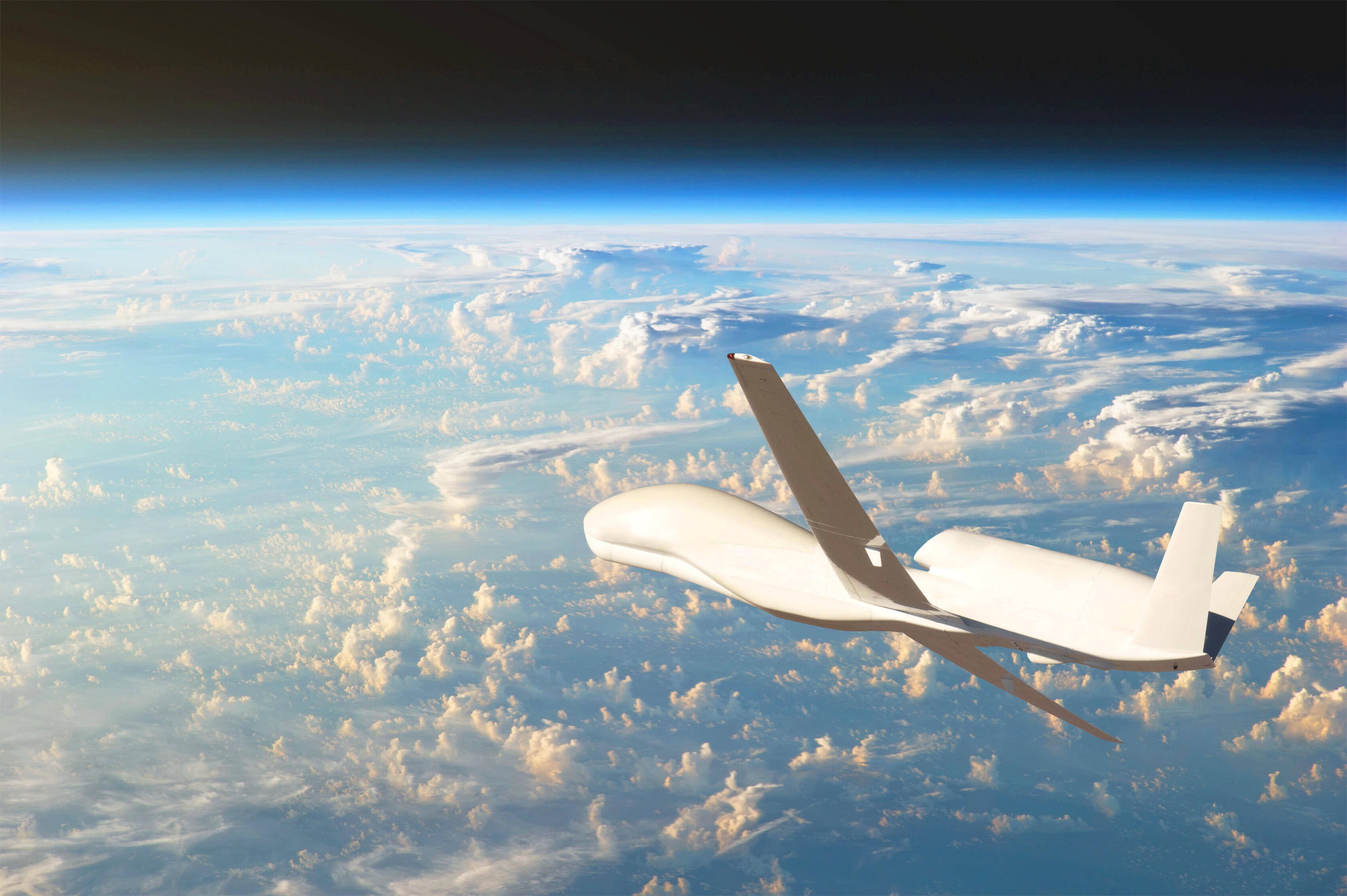
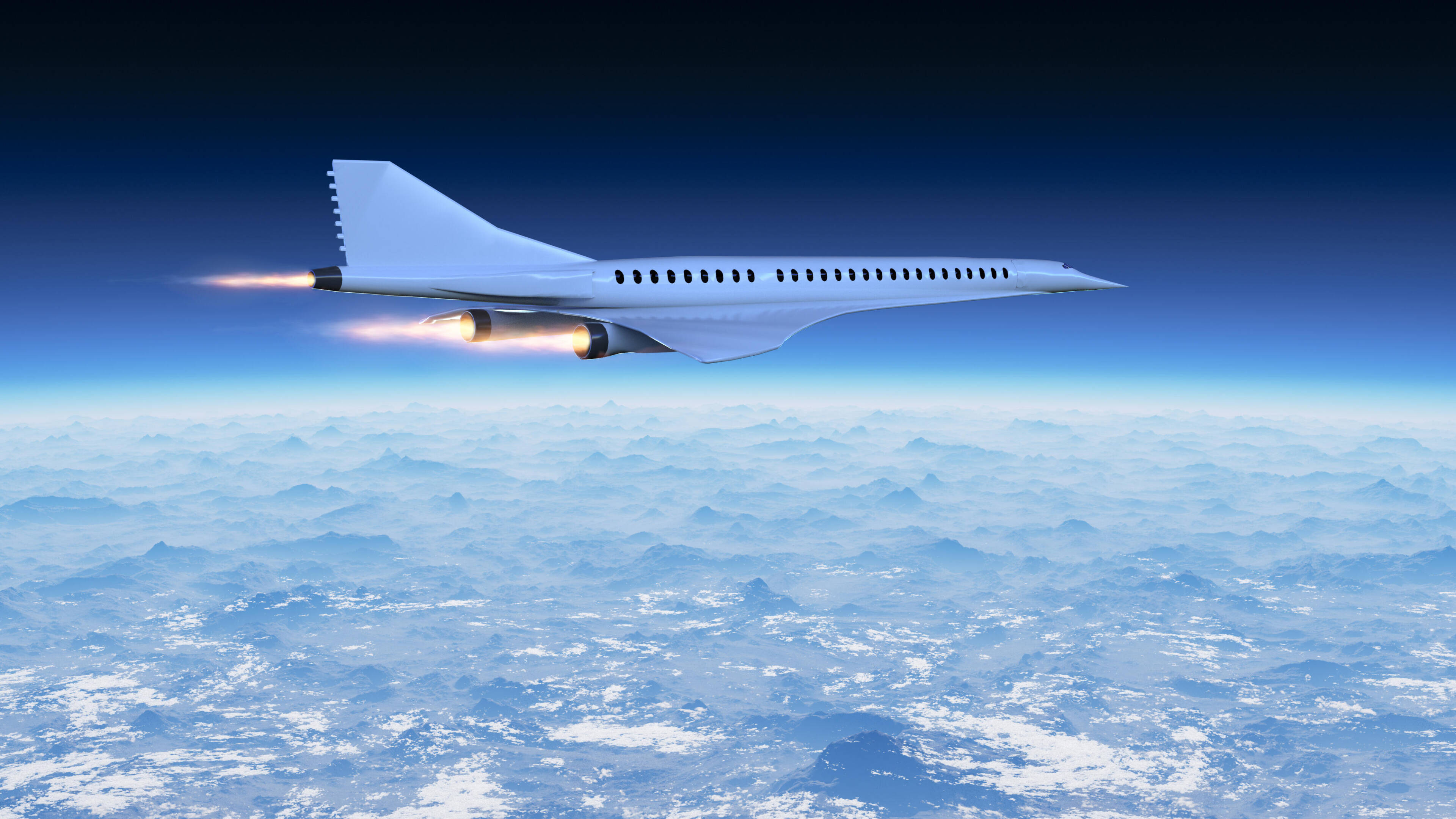
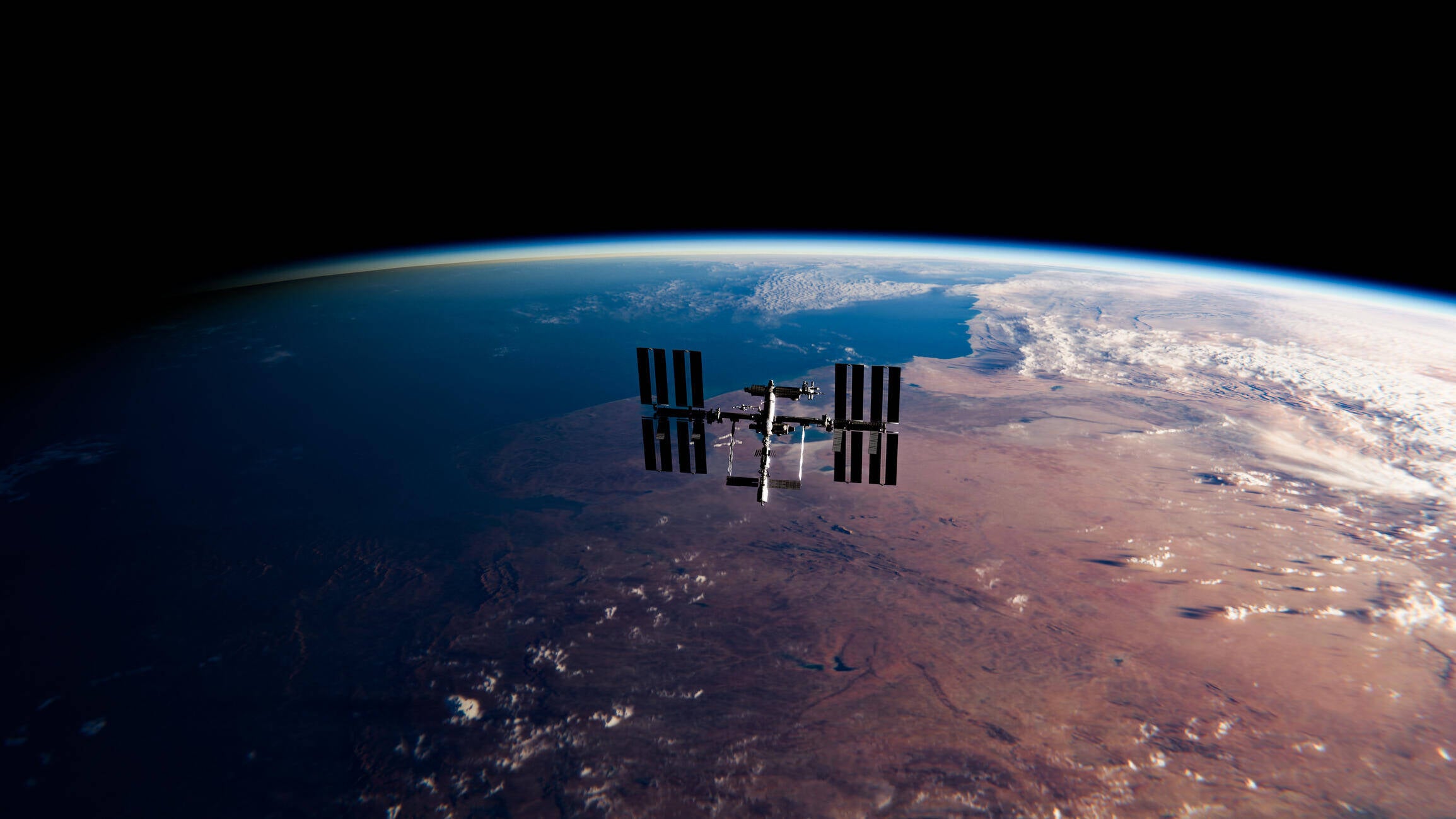
Higher airspace operations (HAO) generally refers to airspace above FL550. It covers not only rocket launches but also potential supersonic commercial aircraft and other vehicles, including slow-moving solar-powered platforms.
Cooperative zones
Significant changes
SpaceX launches
The proposed sandbox reflects the CATS vision of using collaborative operational trials to accelerate innovation, generate operational evidence and support the safe integration of HAO into the future global airspace system.
To ease the transition, CATS proposes cooperative zones (CZs) as a scalable solution. These dynamic, cross-border areas will form the core of HAO operations and be managed by airspace users in agreement with relevant national authorities.
Operators using CZs will share real-time 4D volumes and critical vehicle information, enabling strategic deconfliction and optimised trajectories.
Over time, CZs will link together to create connected, borderless HAO operations with less regulatory friction and minimal manual intervention.
To help turn this vision into reality, CATS is finalising a new Think Paper, Integrating Higher Airspace Operations: An International HAPS Innovation Sandbox, which will be published shortly. The paper proposes the first international cooperative deconfliction exercise for HAO, providing a practical environment for States, ANSPs and industry to validate future operational concepts and support globally harmonised implementation.
Managing rockets and slow-moving, near-stationary platforms will require a globally harmonised framework, with carefully controlled access to and from higher airspace.
Achieving this will require significant changes, all of which are set out in the CATS CONOPs.
Article 1 of the Chicago Convention, for example, which guarantees national sovereignty over airspace, is difficult to apply to HAO, where vehicles can cross borders within minutes. Countries would retain control through licensing and other agreements, but data exchange and shared governance is necessary to enable effective HAO management without jurisdictional boundaries.
SpaceX agrees that the integration of rocket launches will depend on moving from static to dynamic hazard areas. In practice, this means managing rockets more like aircraft, supported by real-time communication and more precise airspace control. While a launch may last only a few minutes, launch windows can span several hours depending on the orbit being targeted and available launch opportunities. To support the safe integration of all airspace users, airlines currently comply with the full window, ensuring that aviation and space operations can coexist safely and efficiently.
Adaptive airspace configurations must be supported by a common approach to measuring altitude. Barometric measurement is accurate at lower levels but less reliable in higher airspace, where atmospheric anomalies can occur. Until a unified system is in place, robust separation standards will be essential.
Enhanced automation will also be vital, streamlining flight path management and dynamic adjustments to improve safety and efficiency. As traffic density increases, automation will be needed to maintain safe separation across vehicles with diverse performance characteristics.
Strong cybersecurity will supplement autonomous frameworks. Zero-trust principles, based on “never trust, always verify”, will require every user, device and connection to be continuously authenticated and authorised, whether inside or outside the corporate perimeter.
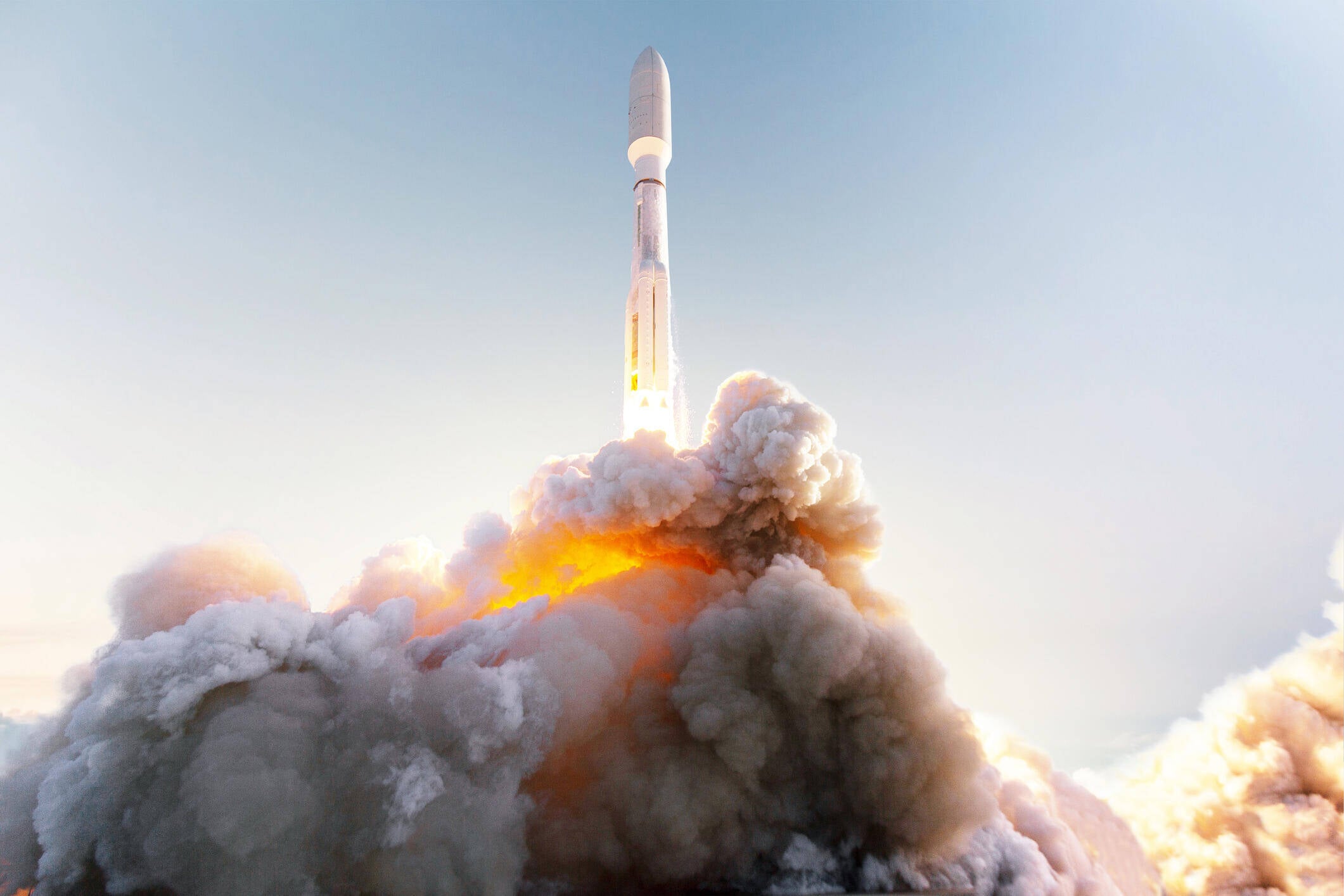
Future skies at higher altitudes will be busy. SpaceX’s Falcon rocket has launched more than 650 times and been reused over 575 times, with most non-reused missions occurring early in the programme. Reusability has transformed operations: in 2025 alone, Falcon launched 165 times, nearly three times its total from three years earlier.
In 2025, each Falcon launch added an average of just three minutes to commercial flight times, while the affected airspace continued to shrink. Close collaboration with air navigation service providers (ANSPs) has helped with the integration of rocket launches into shared global airspace.
That collaboration will need to deepen. Annual launches by SpaceX are expected to reach about 3,000 in the coming years, and it will increasingly use its larger Starship rocket. Carrying roughly 10 times more propellant than Falcon, Starship will initially require a much larger restricted airspace volume. SpaceX’s longer-term ambitions also include a moon base and missions to Mars.
HAO are a strategic bridge between traditional air traffic management (ATM) and fully automated, seamless skies as envisioned in CANSO’s Complete Air Traffic System (CATS) Concept of Operations (CONOPs). Their management will set the stage for advanced automation, real-time digital connectivity and dynamic airspace management.

The skies above traditional flight levels are getting busier, requiring greater collaboration with air navigation service providers and constant innovation.

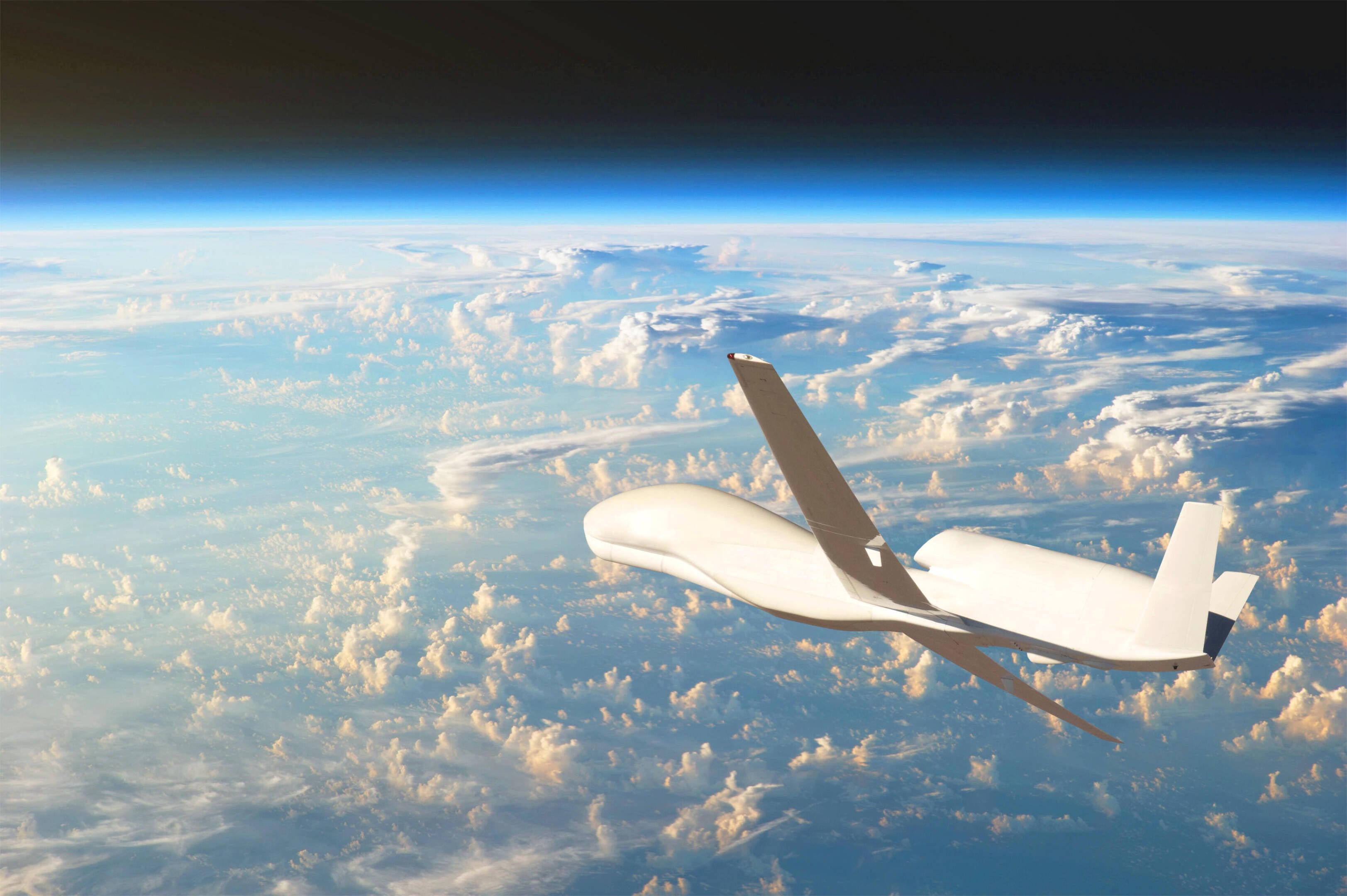
HAO are a strategic bridge between traditional air traffic management (ATM) and fully automated, seamless skies as envisioned in CANSO’s Complete Air Traffic System (CATS) Concept of Operations (CONOPs). Their management will set the stage for advanced automation, real-time digital connectivity and dynamic airspace management.
Managing rockets and slow-moving, near-stationary platforms will require a globally harmonised framework, with carefully controlled access to and from higher airspace.
Achieving this will require significant changes, all of which are set out in the CATS CONOPs.
Article 1 of the Chicago Convention, for example, which guarantees national sovereignty over airspace, is difficult to apply to HAO, where vehicles can cross borders within minutes. Countries would retain control through licensing and other agreements, but data exchange and shared governance is necessary to enable effective HAO management without jurisdictional boundaries.
SpaceX agrees that the integration of rocket launches will depend on moving from static to dynamic hazard areas. In practice, this means managing rockets more like aircraft, supported by real-time communication and more precise airspace control. While a launch may last only a few minutes, launch windows can span several hours depending on the orbit being targeted and available launch opportunities. To support the safe integration of all airspace users, airlines currently comply with the full window, ensuring that aviation and space operations can coexist safely and efficiently.
Adaptive airspace configurations must be supported by a common approach to measuring altitude. Barometric measurement is accurate at lower levels but less reliable in higher airspace, where atmospheric anomalies can occur. Until a unified system is in place, robust separation standards will be essential.
Enhanced automation will also be vital, streamlining flight path management and dynamic adjustments to improve safety and efficiency. As traffic density increases, automation will be needed to maintain safe separation across vehicles with diverse performance characteristics.
Strong cybersecurity will supplement autonomous frameworks. Zero-trust principles, based on “never trust, always verify”, will require every user, device and connection to be continuously authenticated and authorised, whether inside or outside the corporate perimeter.
Significant changes
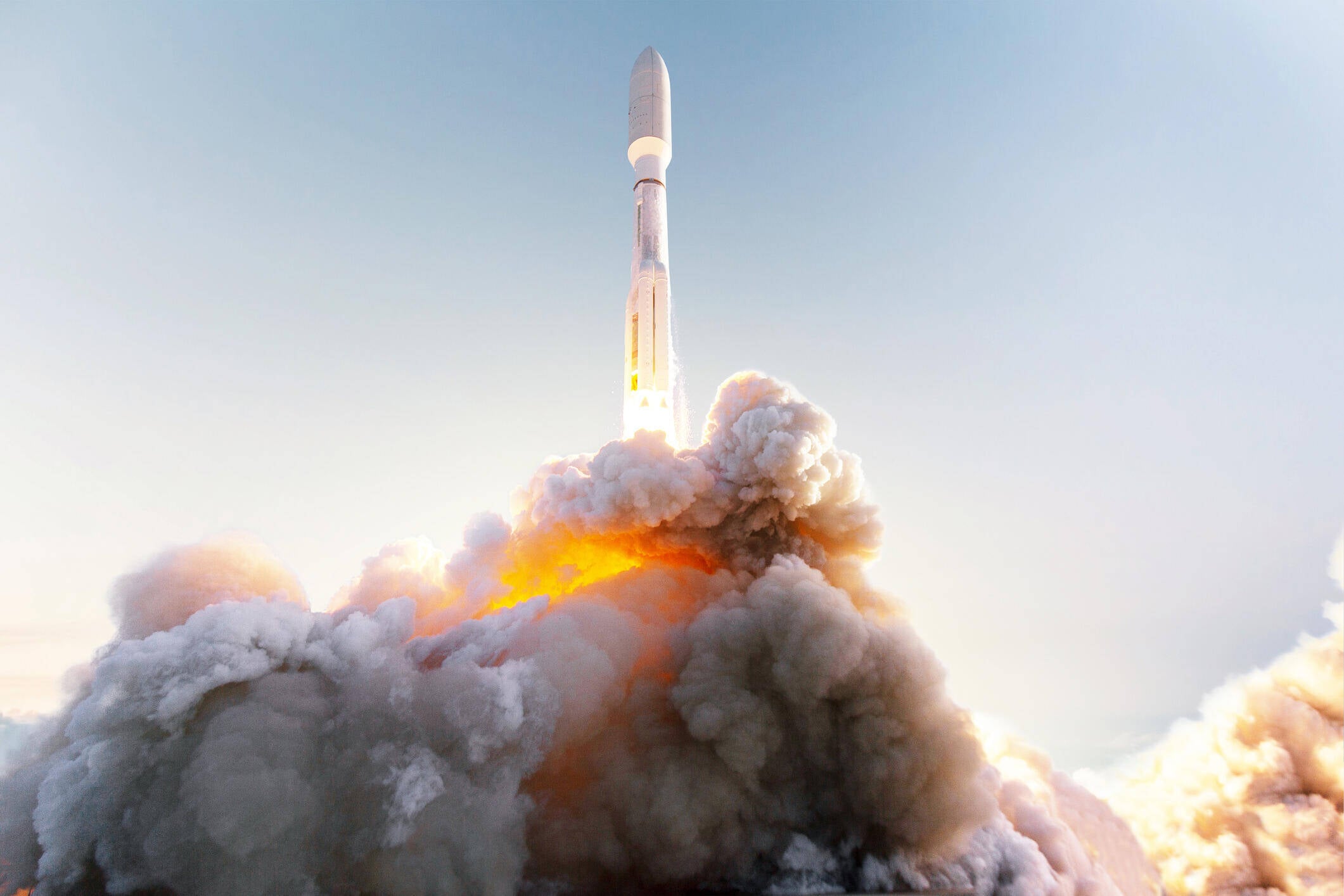
Future skies at higher altitudes will be busy. SpaceX’s Falcon rocket has launched more than 650 times and been reused over 575 times, with most non-reused missions occurring early in the programme. Reusability has transformed operations: in 2025 alone, Falcon launched 165 times, nearly three times its total from three years earlier.
In 2025, each Falcon launch added an average of just three minutes to commercial flight times, while the affected airspace continued to shrink. Close collaboration with air navigation service providers (ANSPs) has helped with the integration of rocket launches into shared global airspace.
That collaboration will need to deepen. Annual launches by SpaceX are expected to reach about 3,000 in the coming years, and it will increasingly use its larger Starship rocket. Carrying roughly 10 times more propellant than Falcon, Starship will initially require a much larger restricted airspace volume. SpaceX’s longer-term ambitions also include a moon base and missions to Mars.
SpaceX launches
Higher airspace operations (HAO) generally refers to airspace above FL550. It covers not only rocket launches but also potential supersonic commercial aircraft and other vehicles, including slow-moving solar-powered platforms.
The proposed sandbox reflects the CATS vision of using collaborative operational trials to accelerate innovation, generate operational evidence and support the safe integration of HAO into the future global airspace system.
To ease the transition, CATS proposes cooperative zones (CZs) as a scalable solution. These dynamic, cross-border areas will form the core of HAO operations and be managed by airspace users in agreement with relevant national authorities.
Operators using CZs will share real-time 4D volumes and critical vehicle information, enabling strategic deconfliction and optimised trajectories.
Over time, CZs will link together to create connected, borderless HAO operations with less regulatory friction and minimal manual intervention.
To help turn this vision into reality, CATS is finalising a new Think Paper, Integrating Higher Airspace Operations: An International HAPS Innovation Sandbox, which will be published shortly. The paper proposes the first international cooperative deconfliction exercise for HAO, providing a practical environment for States, ANSPs and industry to validate future operational concepts and support globally harmonised implementation.
Cooperative zones