Air traffic management efforts to accommodate FIFA World Cup traffic have strengthened regional collaboration.




Close
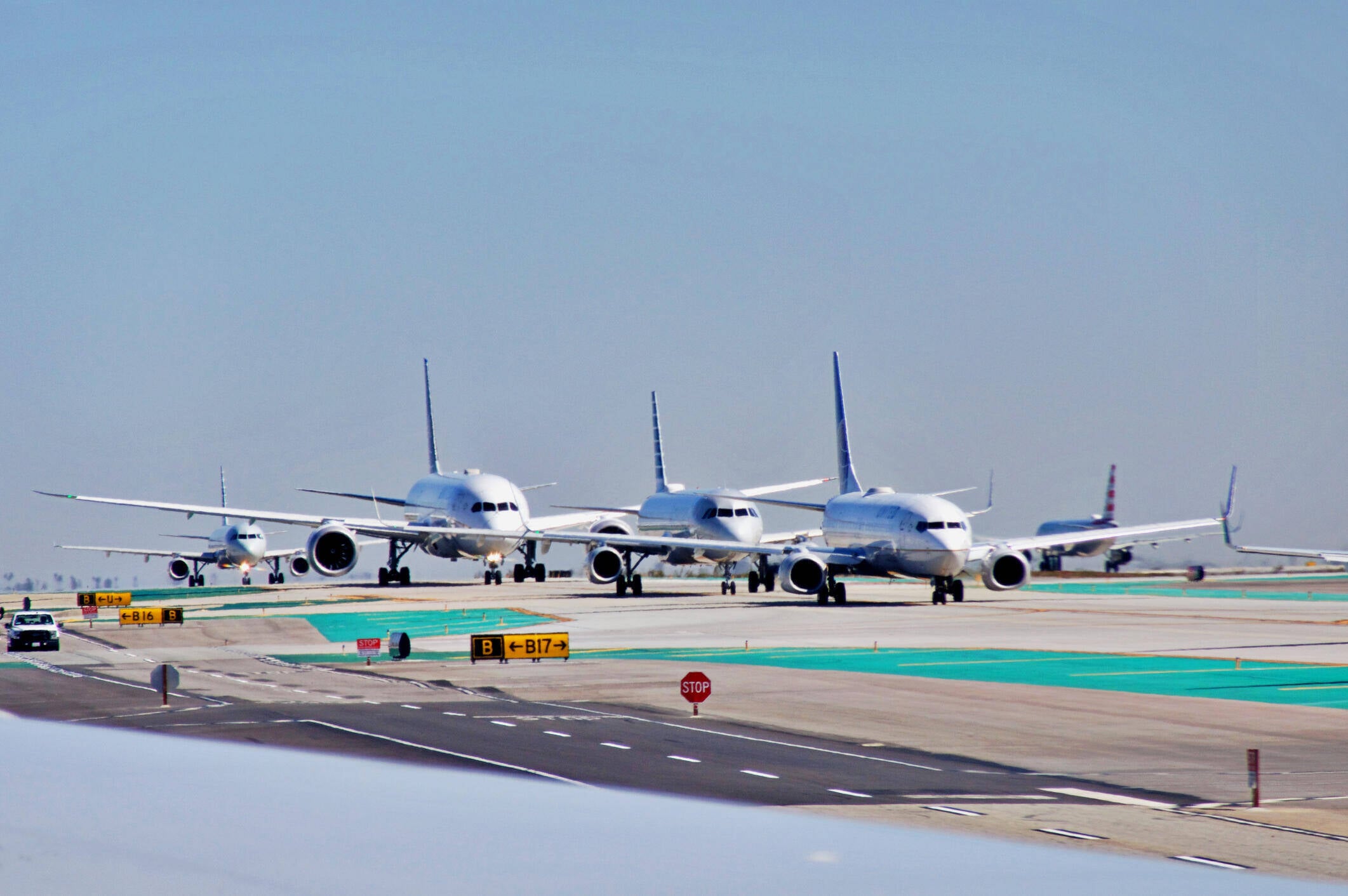


Across North America and Latin America and the Caribbean, airspace disruption is becoming commonplace as hurricanes, other extreme weather events and rocket launches increase.
The FIFA World Cup added another layer of complexity. About 10 million additional visitors travelled to and between 16 host cities in Canada, Mexico and the United States. Hundreds of private flights also carried teams and dignitaries between matches, even as seasonal thunderstorms regularly affected parts of the region.
The Federal Aviation Administration (FAA) introduced several measures, including strict “No Drone Zones” over designated airspace and nearby areas. Temporary Flight Restrictions (TFRs) applied within a three-nautical-mile radius of stadiums and up to 3,000ft above ground level, unless air traffic control authorised otherwise.
Major sporting events can place severe pressure on transport systems. For the FIFA World Cup 2026, that pressure became a catalyst for innovation. By combining predictive analytics, real-time surveillance and cross-border cooperation, the initiative helped manage a temporary traffic surge while supporting a more integrated, data-driven and resilient model of regional air traffic management.

Coordinated plan

COMPASS
COMPASS, or the CANSO Operational Messaging Platform for Air Traffic Flow Management Sharing and Synchronisation – a central air traffic management hub delivered by CANSO and Metron Aviation – brought these elements together.
The initiative was launched by the two organisations in 2025 to replace fragmented regional systems with a synchronised global network. It gives ANSPs, airports and airlines shared situational awareness, making air traffic management safer, more efficient and more resilient.
COMPASS replaces regional platforms, such as CADENA in the Americas, with one globally harmonised solution designed to strengthen cooperation, support future-ready operations and promote global alignment.
CANSO will work directly with regional stakeholders to establish COMPASS regions and develop procedures tailored to local needs.
In the near term, COMPASS will evolve to include:
weather products to improve planning.
space launch and re-entry information to reduce disruption.
expanded data scope and collaborative decision support.
Managing an event of this scale required more than tactical responses, however. To handle the expected traffic surge, CANSO, ICAO, Thales, Metron Aviation, PASSUR Aerospace and Aireon created a technological ecosystem to help stakeholders forecast traffic, improve airspace efficiency and synchronise regional operations through a “One Sky” approach.
The partners contributed four complementary capabilities:
Thales’s TopSky Flow Management tool
Metron Aviation’s flow-management tools
PASSUR’s flight, airport and airspace visualisation
Aireon’s surveillance data.
David Antonello, Product Line Manager, ATC Digital Solutions at Thales, said the goal was to turn short-term spikes in traffic into “predictable, controllable flows”, allowing neighbouring flight information regions to operate more efficiently and coordinate more closely.
Aireon used satellite-based surveillance to identify aircraft positions and compare them with flight plans. The data fed into Thales and PASSUR systems, helping air navigation service providers (ANSPs) predict traffic flows, move from tactical decisions to strategic management, and maintain continuous monitoring and information sharing.
By emphasising collaboration and data sharing across neighbouring airspaces, the initiative went beyond a temporary operational fix. It supported common operating practices and strengthened regional coordination mechanisms that can deliver benefits long after the final match.
Long-term capabilities
Airlines also played an important planning role in World Cup preparations, highlighting the need for collaboration across the aviation ecosystem. JetBlue, for example, provided many of the event’s charter flights while maintaining scheduled services. The airline worked closely with the FAA and connected with neighbouring ANSPs through CANSO and COMPASS.
The northeast United States, JetBlue’s home region, was expected to face heavy congestion during the event, but advance planning reduced the need for special accommodations.
For ICAO and CANSO, World Cup preparations also created an opportunity to strengthen long-term capabilities across the region’s air navigation ecosystem.
“Preparing for the FIFA World Cup 2026 presents a significant opportunity for the aviation community to strengthen regional cooperation, coordination, and air traffic management across Latin America and the Caribbean,” said Josué González, ICAO Regional Officer for Air Traffic Management and Search and Rescue.
The initiative also supported wider industry priorities. By improving traffic predictability and optimising flight paths, the programme reduced delays and unnecessary fuel burn, advancing operational efficiency and environmental goals.

Air traffic management efforts to accommodate FIFA World Cup traffic have strengthened regional collaboration.

The FIFA World Cup added another layer of complexity. About 10 million additional visitors travelled to and between 16 host cities in Canada, Mexico and the United States. Hundreds of private flights also carried teams and dignitaries between matches, even as seasonal thunderstorms regularly affected parts of the region.
The Federal Aviation Administration (FAA) introduced several measures, including strict “No Drone Zones” over designated airspace and nearby areas. Temporary Flight Restrictions (TFRs) applied within a three-nautical-mile radius of stadiums and up to 3,000ft above ground level, unless air traffic control authorised otherwise.
Across North America and Latin America and the Caribbean, airspace disruption is becoming commonplace as hurricanes, other extreme weather events and rocket launches increase.
Coordinated plan
Managing an event of this scale required more than tactical responses, however. To handle the expected traffic surge, CANSO, ICAO, Thales, Metron Aviation, PASSUR Aerospace and Aireon created a technological ecosystem to help stakeholders forecast traffic, improve airspace efficiency and synchronise regional operations through a “One Sky” approach.
The partners contributed four complementary capabilities:
Thales’s TopSky Flow Management tool
Metron Aviation’s flow-management tools
PASSUR’s flight, airport and airspace visualisation
Aireon’s surveillance data.
David Antonello, Product Line Manager, ATC Digital Solutions at Thales, said the goal was to turn short-term spikes in traffic into “predictable, controllable flows”, allowing neighbouring flight information regions to operate more efficiently and coordinate more closely.
Aireon used satellite-based surveillance to identify aircraft positions and compare them with flight plans. The data fed into Thales and PASSUR systems, helping air navigation service providers (ANSPs) predict traffic flows, move from tactical decisions to strategic management, and maintain continuous monitoring and information sharing.
By emphasising collaboration and data sharing across neighbouring airspaces, the initiative went beyond a temporary operational fix. It supported common operating practices and strengthened regional coordination mechanisms that can deliver benefits long after the final match.
COMPASS
COMPASS, or the CANSO Operational Messaging Platform for Air Traffic Flow Management Sharing and Synchronisation – a central air traffic management hub delivered by CANSO and Metron Aviation – brought these elements together.
The initiative was launched by the two organisations in 2025 to replace fragmented regional systems with a synchronised global network. It gives ANSPs, airports and airlines shared situational awareness, making air traffic management safer, more efficient and more resilient.
COMPASS replaces regional platforms, such as CADENA in the Americas, with one globally harmonised solution designed to strengthen cooperation, support future-ready operations and promote global alignment.
CANSO will work directly with regional stakeholders to establish COMPASS regions and develop procedures tailored to local needs.
In the near term, COMPASS will evolve to include:
weather products to improve planning.
space launch and re-entry information to reduce disruption.
expanded data scope and collaborative decision support.

Long-term capabilities
Airlines also played an important planning role in World Cup preparations, highlighting the need for collaboration across the aviation ecosystem. JetBlue, for example, provided many of the event’s charter flights while maintaining scheduled services. The airline worked closely with the FAA and connected with neighbouring ANSPs through CANSO and COMPASS.
The northeast United States, JetBlue’s home region, was expected to face heavy congestion during the event, but advance planning reduced the need for special accommodations.
For ICAO and CANSO, World Cup preparations also created an opportunity to strengthen long-term capabilities across the region’s air navigation ecosystem.
“Preparing for the FIFA World Cup 2026 presents a significant opportunity for the aviation community to strengthen regional cooperation, coordination, and air traffic management across Latin America and the Caribbean,” said Josué González, ICAO Regional Officer for Air Traffic Management and Search and Rescue.
The initiative also supported wider industry priorities. By improving traffic predictability and optimising flight paths, the programme reduced delays and unnecessary fuel burn, advancing operational efficiency and environmental goals.
Major sporting events can place severe pressure on transport systems. For the FIFA World Cup 2026, that pressure became a catalyst for innovation. By combining predictive analytics, real-time surveillance and cross-border cooperation, the initiative helped manage a temporary traffic surge while supporting a more integrated, data-driven and resilient model of regional air traffic management.