
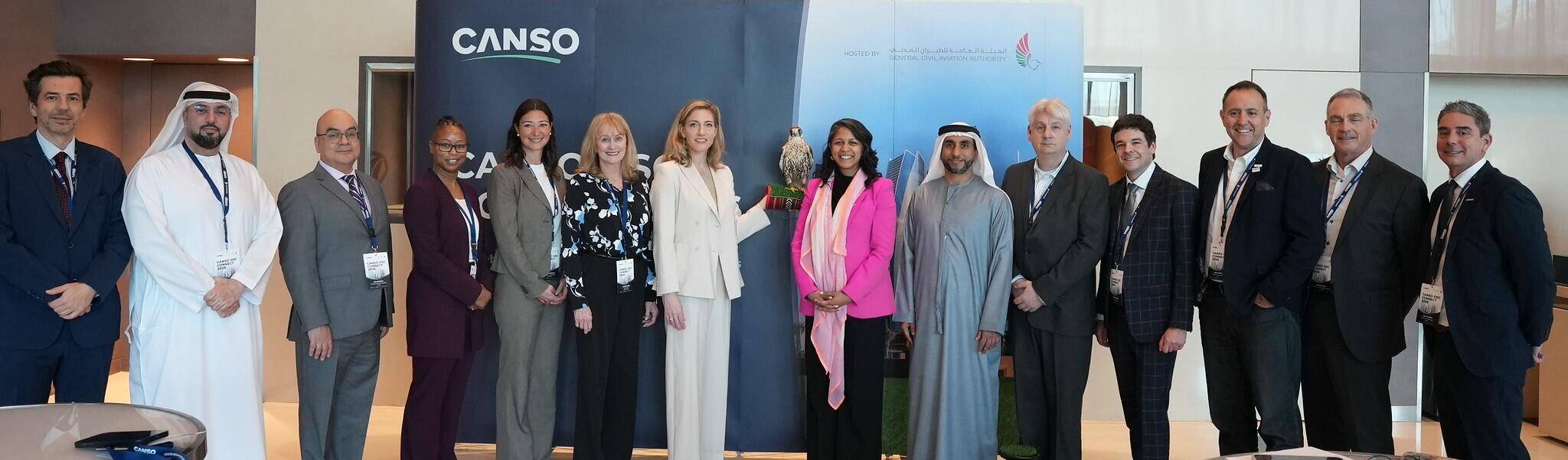
Nicki Harricharan, CANSO’s Operations Programme Manager, details the drive to turn ideas into reality at the recent CANSO Operations Standing Committee (OSC) Connect 2026.






Participants arrived from every CANSO region, representing Air Navigation Service Providers (ANSPs), industry partners and technology providers. The diversity in the room reflected the broad ATM ecosystem – a community united by a shared challenge: how to safely transform air traffic operations in an era of digitalisation, automation, new entrants and growing complexity.
Hosted by the UAE General Civil Aviation Authority (GCAA), the event was held under the theme “Skies in Transition: Forum on Operations, Innovation, and Safety.”
It was the first major gathering of the CANSO OSC community since the reorganisation of the Operations Programme’s workgroups, and it felt exactly like that: a fresh start, a renewed sense of purpose, and a collective momentum and determination to move from plans on paper to coordinated global action.
Nicki Harricharan, CANSO’s Operations Programme Manager

During CANSO OSC Connect 2026, 2-5 February, in Abu Dhabi, more than one hundred aviation professionals from across the globe came together to reaffirm the global ATM community’s commitment to connect, collaborate, and deliver.

The week provided a unique opportunity for the workgroups to meet face-to-face, to coordinate priorities, and to discuss how to work more effectively together under the reorganisation. It created space to connect operations and safety communities, to strengthen links with ICAO initiatives, and to ensure alignment with the Complete Air Traffic System (CATS) Concept of Operations (CONOPs).
The programme’s agenda was carefully designed to blend strategic dialogue with hands-on collaboration. As outlined in the agenda, the event opened with high-level discussions on the global drivers shaping aviation and the role of leadership in navigating change. A dynamic executive forum brought together voices from ANSPs, the industry and the safety community to explore how operations, innovation and safety must evolve together.
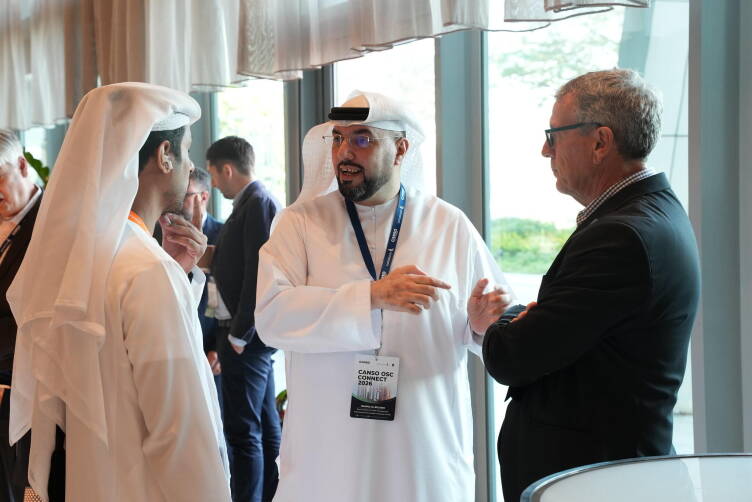
Experts demonstrated how these elements fit together as an integrated system. TBO was presented as the future operating model, managing shared, precise trajectories across the network rather than individual clearances. SWIM enables seamless data exchange, FF-ICE standardises flight intent, and ATFM acts as a critical enabler of TBO by using that trajectory information to balance demand and capacity earlier and more intelligently. This shifts ATFM from a largely reactive tool to a proactive, network-wide optimisation capability.
Regional perspectives were a central feature, with CANSO Directors from Africa, Asia Pacific, Latin America and the Caribbean, Europe and the Middle East sharing insights into local priorities and challenges. Open forum discussions enabled participants to examine how global strategies can be translated into real regional impact – one of the core objectives of the CANSO Operations Programme.
A highlight was the education session on Demystifying Trajectory-Based Operations (TBO) and its enablers, System Wide Information Management (SWIM), Flight and Flow Information for a Collaborative Environment (FF-ICE) and Air Traffic Flow Management (ATFM).

Designed to blend strategic dialogue and hands-on collaboration

Another important moment was the joint session linking the OSC community with the CANSO Safety Programme and ongoing ICAO and CATS developments. Participants explored how ICAO Assembly outcomes, Global Air Navigation Plan (GANP) evolution – including the Minimum Implementation Path – and the CATS CONOPs translate into strategic priorities for the air traffic management industry.
This dialogue reinforced an important message: operations and safety must move together, and global frameworks must be implemented through practical collaboration at global and regional levels.

Operations and safety must move together
A particularly inspiring session was the Advanced Air Mobility (AAM) workshop, which focused on discussing integration of new airspace users in terms of operations, safety and digital infrastructure.
Complementing the technical sessions, a leadership development workshop encouraged and challenged participants to think about how to lead transformation while maintaining today’s operational delivery – a balancing act faced by every ANSP worldwide.
Close

Nicki Harricharan, CANSO’s Operations Programme Manager

The closing session provided space to reflect on progress, recognise contributions and look ahead. It was clear that CANSO OSC Connect 2026 was not simply another gathering but the launch platform for CANSO’s refreshed operational structure, linking innovation with execution.
This was more than a meeting. It was a global movement to move from operating in silos to connecting and collaborating across expertise, sharing solutions, and co-creating the future of ATM.
With renewed energy and a shared sense of purpose, the operational community brought a global perspective to help turn the vision of the CATS CONOPS into practical reality. We now look ahead to expanded engagement in 2027 when NAV CANADA hosts CANSO Operations and Safety Connect 2027, the week of 22 February 2027.
CANSO OSC Connect 2026 demonstrated the power of bringing people together across regions to think with a global lens. Through leadership forums, collaborative workshops, and open interactive dialogue, the operational community moved closer to a shared roadmap for seamless, sustainable and future-ready skies while helping others get to where they need to be.
Nicki Harricharan, CANSO’s Operations Programme Manager, details the drive to turn ideas into reality at the recent CANSO Operations Standing Committee (OSC) Connect 2026.


Nicki Harricharan, CANSO’s Operations Programme Manager
Participants arrived from every CANSO region, representing Air Navigation Service Providers (ANSPs), industry partners and technology providers. The diversity in the room reflected the broad ATM ecosystem – a community united by a shared challenge: how to safely transform air traffic operations in an era of digitalisation, automation, new entrants and growing complexity.
Hosted by the UAE General Civil Aviation Authority (GCAA), the event was held under the theme “Skies in Transition: Forum on Operations, Innovation, and Safety.”
It was the first major gathering of the CANSO OSC community since the reorganisation of the Operations Programme’s workgroups, and it felt exactly like that: a fresh start, a renewed sense of purpose, and a collective momentum and determination to move from plans on paper to coordinated global action.
During CANSO OSC Connect 2026, 2-5 February, in Abu Dhabi, more than one hundred aviation professionals from across the globe came together to reaffirm the global ATM community’s commitment to connect, collaborate, and deliver.
Regional perspectives were a central feature, with CANSO Directors from Africa, Asia Pacific, Latin America and the Caribbean, Europe and the Middle East sharing insights into local priorities and challenges. Open forum discussions enabled participants to examine how global strategies can be translated into real regional impact – one of the core objectives of the CANSO Operations Programme.
A highlight was the education session on Demystifying Trajectory-Based Operations (TBO) and its enablers, System Wide Information Management (SWIM), Flight and Flow Information for a Collaborative Environment (FF-ICE) and Air Traffic Flow Management (ATFM).
The week provided a unique opportunity for the workgroups to meet face-to-face, to coordinate priorities, and to discuss how to work more effectively together under the reorganisation. It created space to connect operations and safety communities, to strengthen links with ICAO initiatives, and to ensure alignment with the Complete Air Traffic System (CATS) Concept of Operations (CONOPs).
The programme’s agenda was carefully designed to blend strategic dialogue with hands-on collaboration. As outlined in the agenda, the event opened with high-level discussions on the global drivers shaping aviation and the role of leadership in navigating change. A dynamic executive forum brought together voices from ANSPs, the industry and the safety community to explore how operations, innovation and safety must evolve together.
Designed to blend strategic dialogue and hands-on collaboration
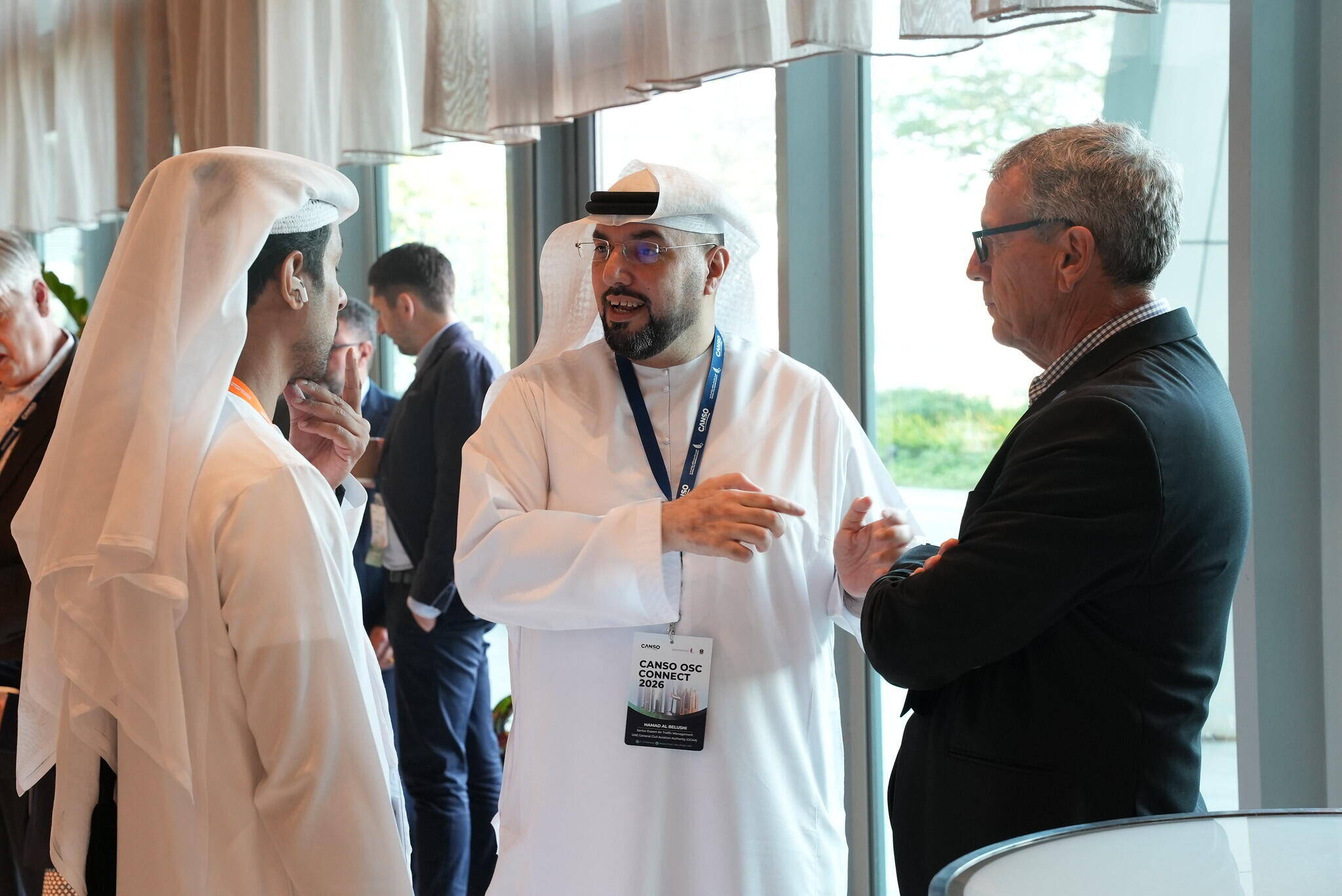
Experts demonstrated how these elements fit together as an integrated system. TBO was presented as the future operating model, managing shared, precise trajectories across the network rather than individual clearances. SWIM enables seamless data exchange, FF-ICE standardises flight intent, and ATFM acts as a critical enabler of TBO by using that trajectory information to balance demand and capacity earlier and more intelligently. This shifts ATFM from a largely reactive tool to a proactive, network-wide optimisation capability.
Operations and safety must move together
A particularly inspiring session was the Advanced Air Mobility (AAM) workshop, which focused on discussing integration of new airspace users in terms of operations, safety and digital infrastructure.
Complementing the technical sessions, a leadership development workshop encouraged and challenged participants to think about how to lead transformation while maintaining today’s operational delivery – a balancing act faced by every ANSP worldwide.
Another important moment was the joint session linking the OSC community with the CANSO Safety Programme and ongoing ICAO and CATS developments. Participants explored how ICAO Assembly outcomes, Global Air Navigation Plan (GANP) evolution – including the Minimum Implementation Path – and the CATS CONOPs translate into strategic priorities for the air traffic management industry.
This dialogue reinforced an important message: operations and safety must move together, and global frameworks must be implemented through practical collaboration at global and regional levels.

This was more than a meeting. It was a global movement to move from operating in silos to connecting and collaborating across expertise, sharing solutions, and co-creating the future of ATM.
With renewed energy and a shared sense of purpose, the operational community brought a global perspective to help turn the vision of the CATS CONOPS into practical reality. We now look ahead to expanded engagement in 2027 when NAV CANADA hosts CANSO Operations and Safety Connect 2027, the week of 22 February 2027.

Nicki Harricharan, CANSO’s Operations Programme Manager
CANSO OSC Connect 2026 demonstrated the power of bringing people together across regions to think with a global lens. Through leadership forums, collaborative workshops, and open interactive dialogue, the operational community moved closer to a shared roadmap for seamless, sustainable and future-ready skies while helping others get to where they need to be.
The closing session provided space to reflect on progress, recognise contributions and look ahead. It was clear that CANSO OSC Connect 2026 was not simply another gathering but the launch platform for CANSO’s refreshed operational structure, linking innovation with execution.