
Safety in aviation is everything. There is no aspect of stakeholder work that does not have safety at its heart.




When we talk about improving efficiency, embracing sustainability, or reducing cost, we do so with the implicit understanding that it does not compromise safety in any way. That is the start of the safety culture that we talk about at an organisational level. We must all live and breathe safety.

Simon Hocquard, President & CEO, CANSO
We are part of an industry that generates more than $4 trillion in GDP and 86 million jobs

All the above is just a snapshot of what aviation is doing to promote and enhance safety. A world without aviation safety doesn’t bear thinking about. And so we won’t! Rather, we will continue to challenge ourselves as we have always done – how do we improve safety? It is the start and end point of every initiative and we should be very proud of that fact.
We will cover every aspect of safety at our forthcoming Global Safety Conference. The theme is Navigating the Future: Advancing Aviation Safety for a New Era. The programme will be diverse and includes cyber safety, human performance management, artificial intelligence in aviation safety, safety culture, fatigue risk management, safety management systems, drone incursions, and much more. We will also announce the winner of this year’s Global Safety Award.
And, of course, we will see many inspiring ideas at Airspace World 26-28 May in Lisbon. The 200-plus exhibitors that we regularly get at air traffic management’s leading event all put safety first.
But our events are just one element in CANSO’s commitment to safety. Our numerous CANSO workgroups (WG) are populated by a host of industry experts. From the Safety Intelligence Workgroup (SIWG) through the Human Performance Management Workgroup (HPWG) to the Next Generation Safety Management System (SMS) Workgroup (NXGN), we are helping our members to mature their safety processes.
An SMS, for example, is essential to senior management making better safety decisions and the CANSO Standard of Excellence in Safety Management Systems (SoE in SMS) programme allows ANSPs to evaluate their SMS maturity, identify key improvement areas, and enhance safety practices.
We are part of an industry that generates more than $4 trillion in GDP and 86 million jobs. That colossal impact depends on more than 100,000 flights safely departing and arriving every day, connecting people and markets. The pandemic showed what would happen without aviation – world GDP shrank 3.0% in 2020. Imagine what an unsafe aviation industry would do to GDP and jobs. It would be catastrophic.
But does safety make us too slow in adopting new technologies, processes and regulations? No. We can’t take a “best guess” or assume that because something works in temperate climates, it will work in extreme heat or cold. We leave no stone unturned when testing innovative procedures and advancements because to do so would be utterly unacceptable.
All things considered, therefore, the speed at which this industry is developing is in some ways remarkable. It is a testament to the hard work being done at every level and in every vertical of the industry that we continue to advance our technologies, accommodate more traffic and improve the sustainability and seamlessness of our skies.
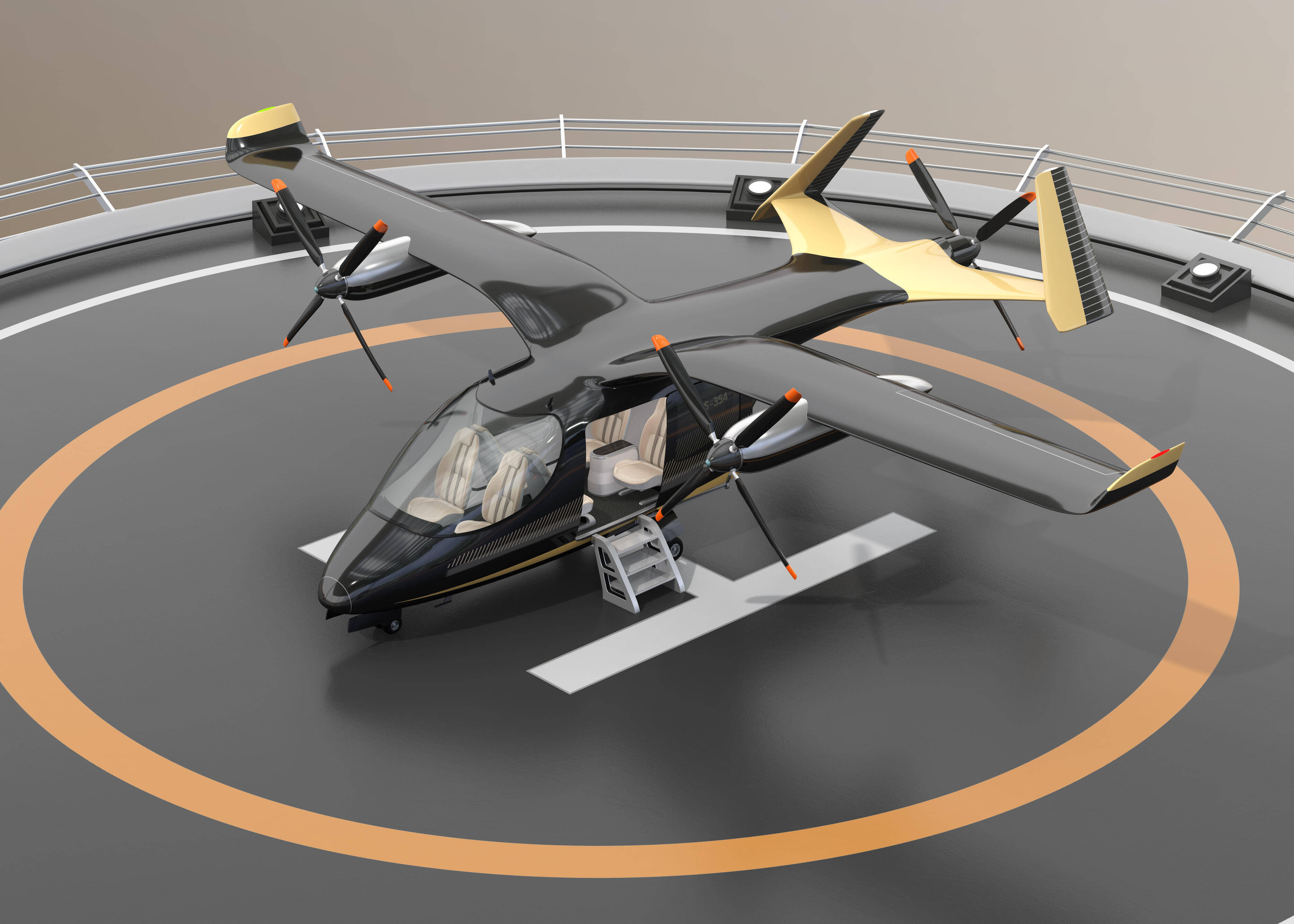
The inclusion of advanced air mobility (AAM) in civil airspace illustrates this point. Air navigation service providers (ANSP) need to accommodate AAM and test flights, unmanned aircraft system traffic management (UTM) and even vertiports are already part of the picture. The huge investments being made in AAM equate to huge pressure. But at no point has safety been overlooked and at no point has this industry been behind the curve. ANSPs stand ready to embrace this vibrant new sector.

Close

Safety in aviation is everything. There is no aspect of stakeholder work that does not have safety at its heart.

All the above is just a snapshot of what aviation is doing to promote and enhance safety. A world without aviation safety doesn’t bear thinking about. And so we won’t! Rather, we will continue to challenge ourselves as we have always done – how do we improve safety? It is the start and end point of every initiative and we should be very proud of that fact.
We are part of an industry that generates more than $4 trillion in GDP and 86 million jobs. That colossal impact depends on more than 100,000 flights safely departing and arriving every day, connecting people and markets. The pandemic showed what would happen without aviation – world GDP shrank 3.0% in 2020. Imagine what an unsafe aviation industry would do to GDP and jobs. It would be catastrophic.
But does safety make us too slow in adopting new technologies, processes and regulations? No. We can’t take a “best guess” or assume that because something works in temperate climates, it will work in extreme heat or cold. We leave no stone unturned when testing innovative procedures and advancements because to do so would be utterly unacceptable.
All things considered, therefore, the speed at which this industry is developing is in some ways remarkable. It is a testament to the hard work being done at every level and in every vertical of the industry that we continue to advance our technologies, accommodate more traffic and improve the sustainability and seamlessness of our skies.
The inclusion of advanced air mobility (AAM) in civil airspace illustrates this point. Air navigation service providers (ANSP) need to accommodate AAM and test flights, unmanned aircraft system traffic management (UTM) and even vertiports are already part of the picture. The huge investments being made in AAM equate to huge pressure. But at no point has safety been overlooked and at no point has this industry been behind the curve. ANSPs stand ready to embrace this vibrant new sector.
When we talk about improving efficiency, embracing sustainability, or reducing cost, we do so with the implicit understanding that it does not compromise safety in any way. That is the start of the safety culture that we talk about at an organisational level. We must all live and breathe safety.
We are part of an industry that generates more than $4 trillion in GDP and 86 million jobs
Simon Hocquard, President & CEO, CANSO

We will cover every aspect of safety at our forthcoming Global Safety Conference. The theme is Navigating the Future: Advancing Aviation Safety for a New Era. The programme will be diverse and includes cyber safety, human performance management, artificial intelligence in aviation safety, safety culture, fatigue risk management, safety management systems, drone incursions, and much more. We will also announce the winner of this year’s Global Safety Award.
And, of course, we will see many inspiring ideas at Airspace World 26-28 May in Lisbon. The 200-plus exhibitors that we regularly get at air traffic management’s leading event all put safety first.
But our events are just one element in CANSO’s commitment to safety. Our numerous CANSO workgroups (WG) are populated by a host of industry experts. From the Safety Intelligence Workgroup (SIWG) through the Human Performance Management Workgroup (HPWG) to the Next Generation Safety Management System (SMS) Workgroup (NXGN), we are helping our members to mature their safety processes.
An SMS, for example, is essential to senior management making better safety decisions and the CANSO Standard of Excellence in Safety Management Systems (SoE in SMS) programme allows ANSPs to evaluate their SMS maturity, identify key improvement areas, and enhance safety practices.