


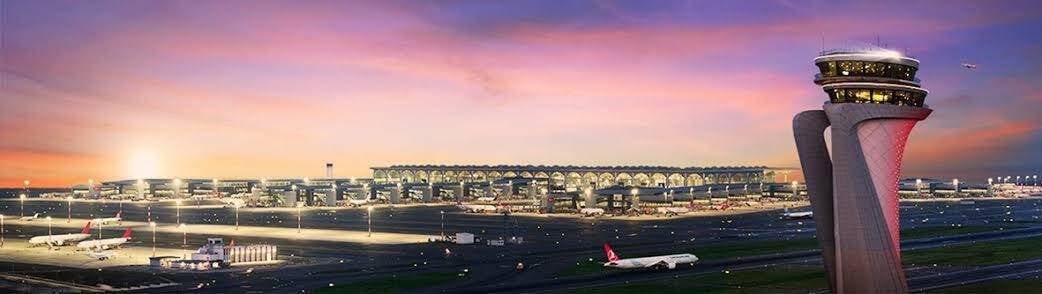
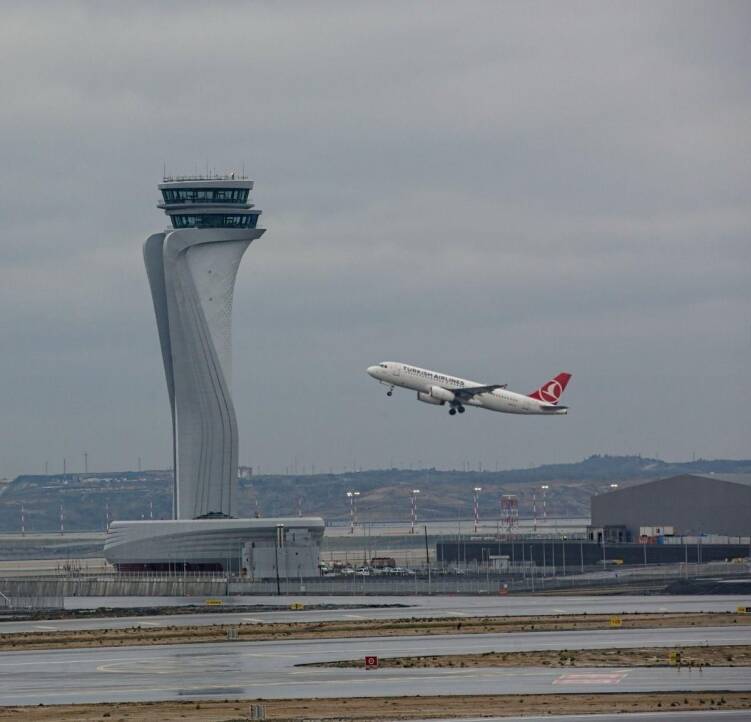
Triple runway operations at Istanbul Airport marks a first for Europe and opens the door to capacity solutions.

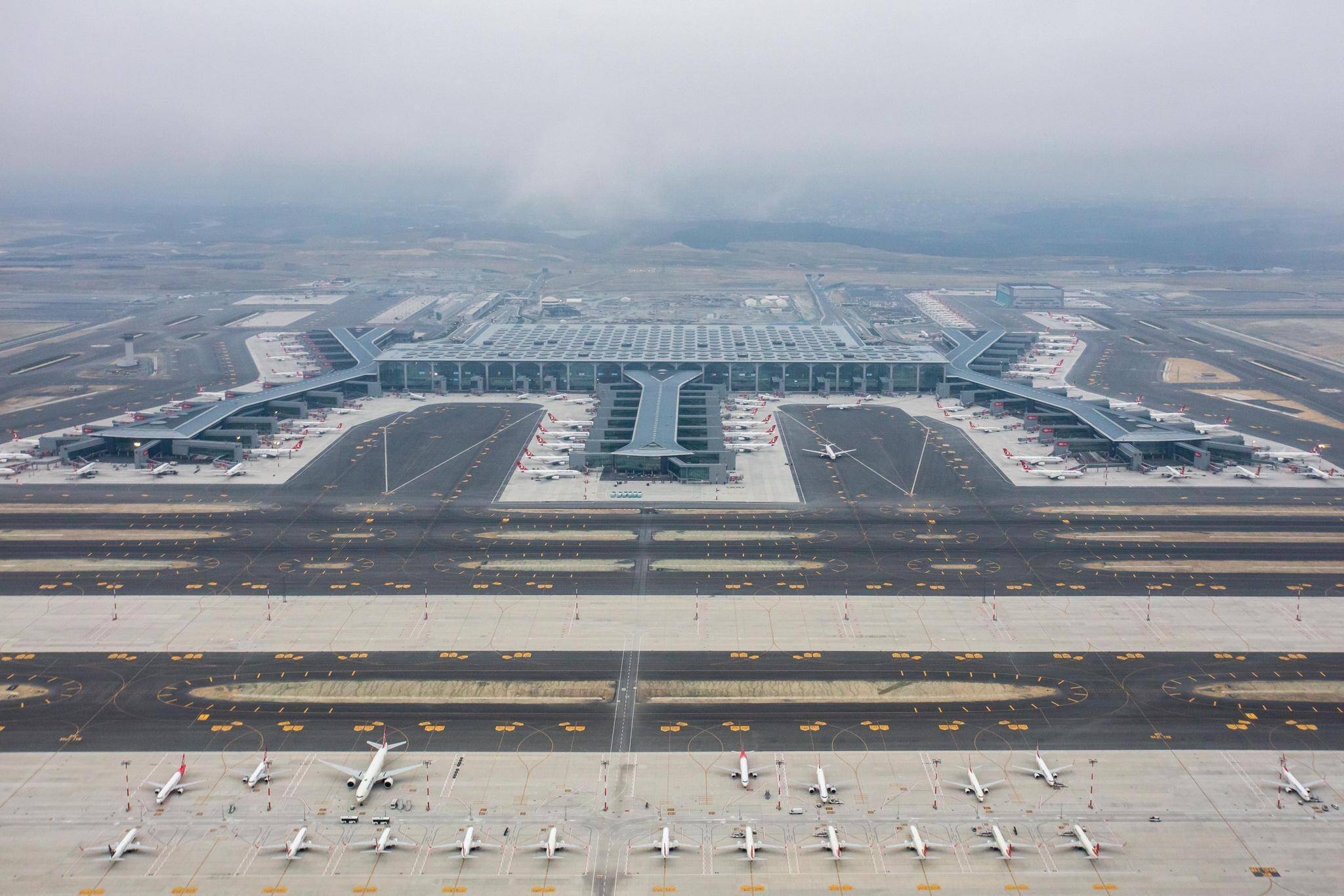

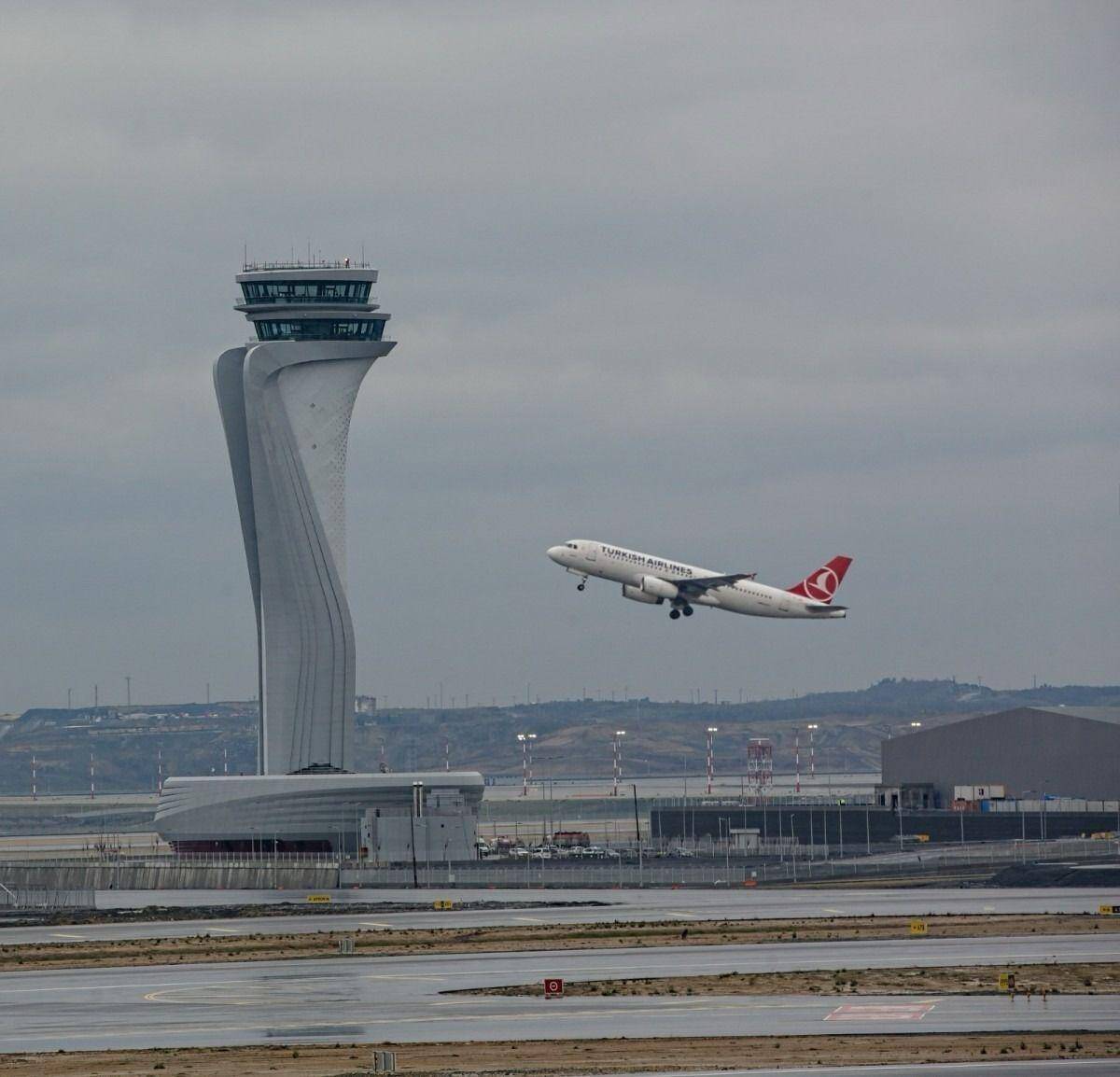
The achievement showcases Türkiye’s growing capability in air traffic management (ATM). Led by the General Directorate of State Airports Authority (DHMI), the project reflects how local expertise and global collaboration can deliver safe, efficient, and innovative operations at a global hub.
The project not only expands operational capacity but also reflects years of planning, simulation, and close cooperation among national and international aviation partners.
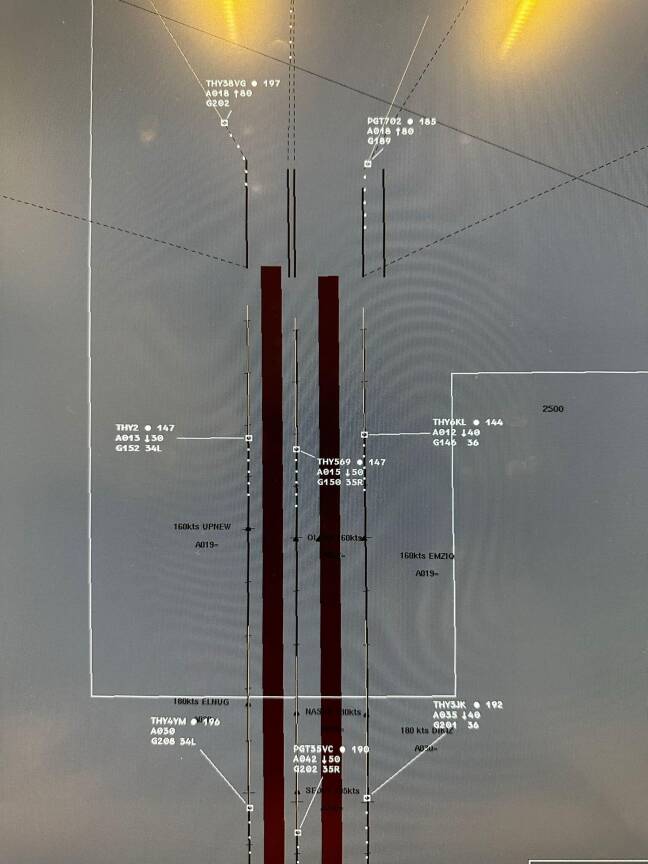
In a landmark step for European aviation, Türkiye has welcomed Triple Runway Operations (TRO) at Istanbul Airport – becoming the first country in Europe to achieve simultaneous, independent approaches and departures on three parallel runways.
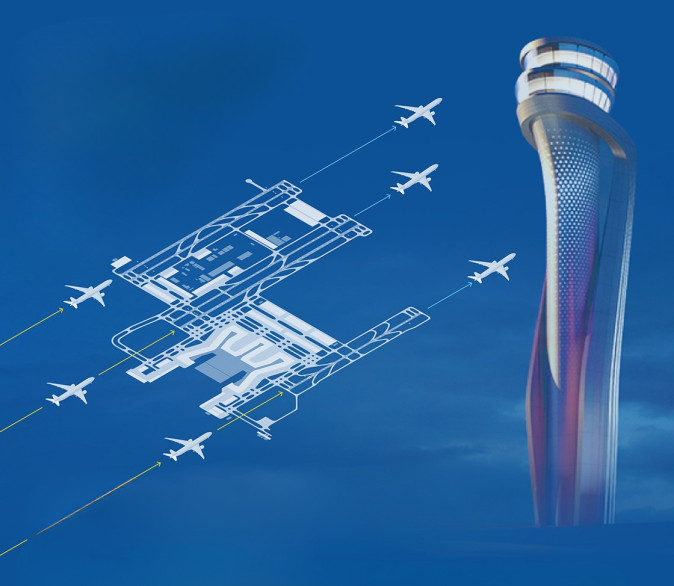
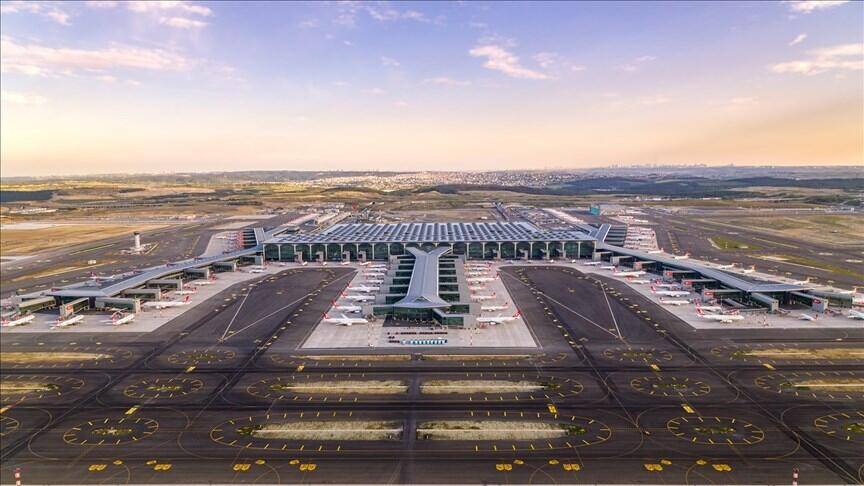
Since opening in 2019, Istanbul Airport has become one of the world’s largest and most dynamic hubs. To accommodate rapid growth, DHMI refined its airspace design and procedures.
Initially, dual independent parallel operations were introduced in line with ICAO standards, supported by a Point Merge System (PMS) serving both Istanbul and Sabiha Gökçen airports. As daily movements exceeded 1,600 at Istanbul and 800 at Sabiha Gökçen, the need for further capacity became evident.
The TRO project was the natural next step – optimising traffic flow, minimising delays, and sustaining long-term efficiency while upholding safety standards.
Because ICAO documentation does not yet define TRO procedures, DHMI adopted a risk-based approach, tailoring international principles to Istanbul’s complex airspace.
Starting in 2022, a series of safety workshops and operational assessments brought together EUROCONTROL experts, Turkish DGCA, Turkish Airlines pilots, and DHMI controllers. The team identified 48 hazards and applied 79 mitigation measures, forming the backbone of the TRO safety framework.

The result was a scalable safety model
Analytical tools, such as Event Tree Analysis and Functional Hazard Assessment, modelled potential failures, while a five-by-five risk matrix evaluated severity and probability.
The result was a scalable safety model, ensuring every identified risk remained within acceptable limits and providing a solid foundation for future triple-runway operations.
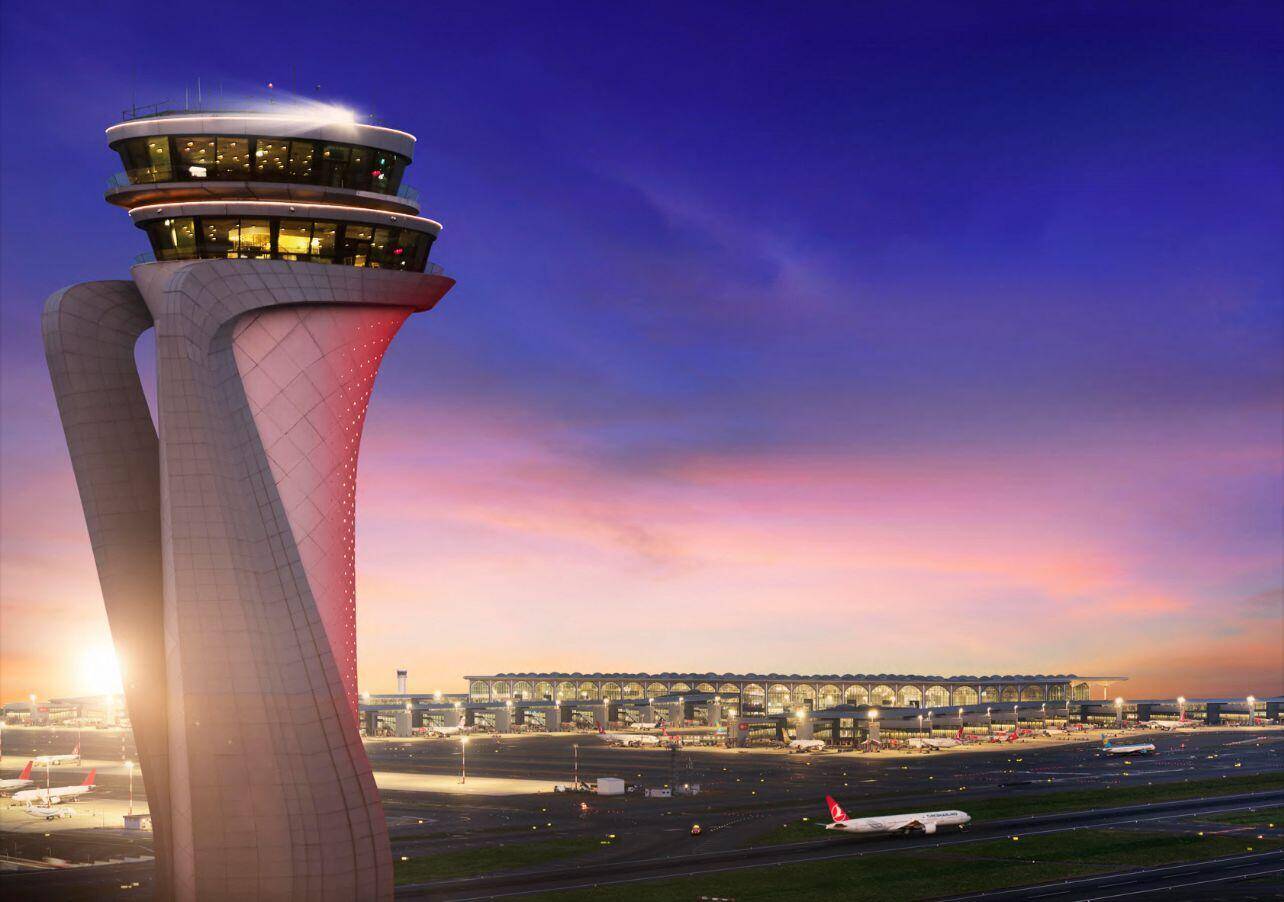
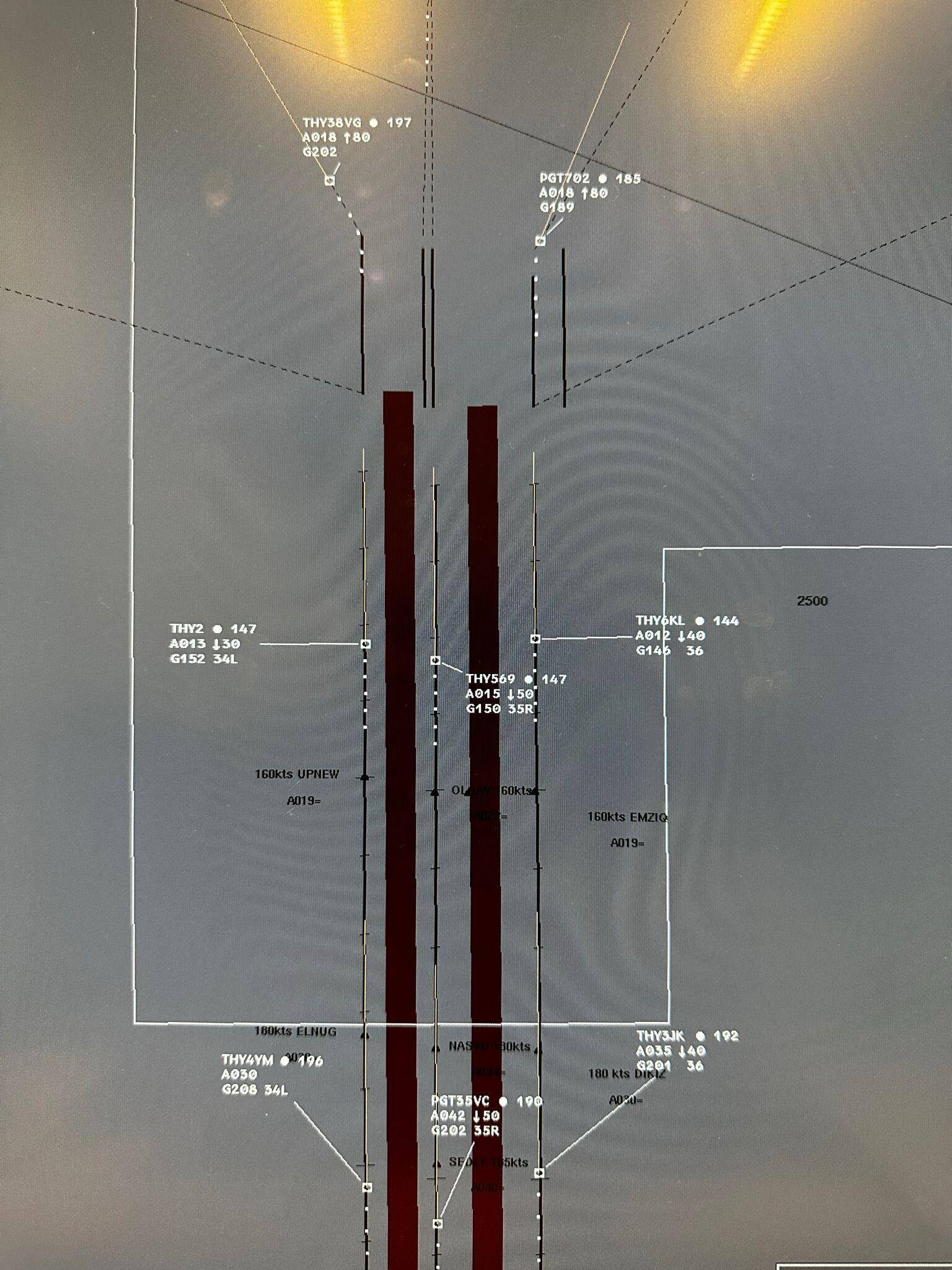
TRO transformed both the structure and rhythm of ATM at Istanbul Approach and Tower. DHMI redesigned team roles and modernised communication to ensure faster and safer coordination.
To enhance situational awareness, the number of controllers overseeing final approaches increased from one to three, each assigned to a specific runway. Additional approach and departure roles were introduced to distribute workload evenly.

keep operations safe, predictable, and resilient
New standardised radio communication procedures ensured clear communication between pilots and controllers during complex operational phases. These refinements, supported by feedback and simulation data, keep operations safe, predictable, and resilient – even in heavy traffic or challenging weather.
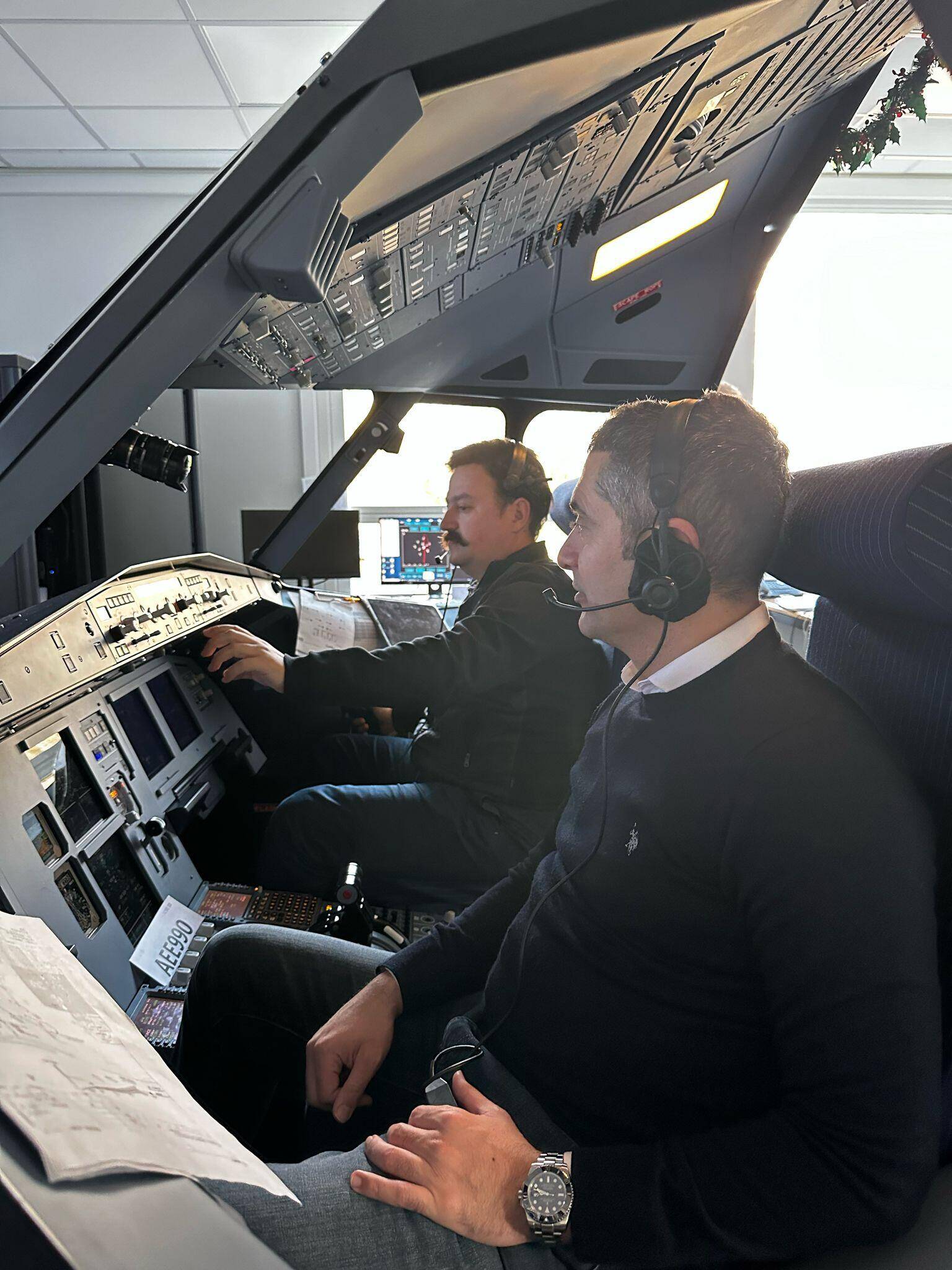
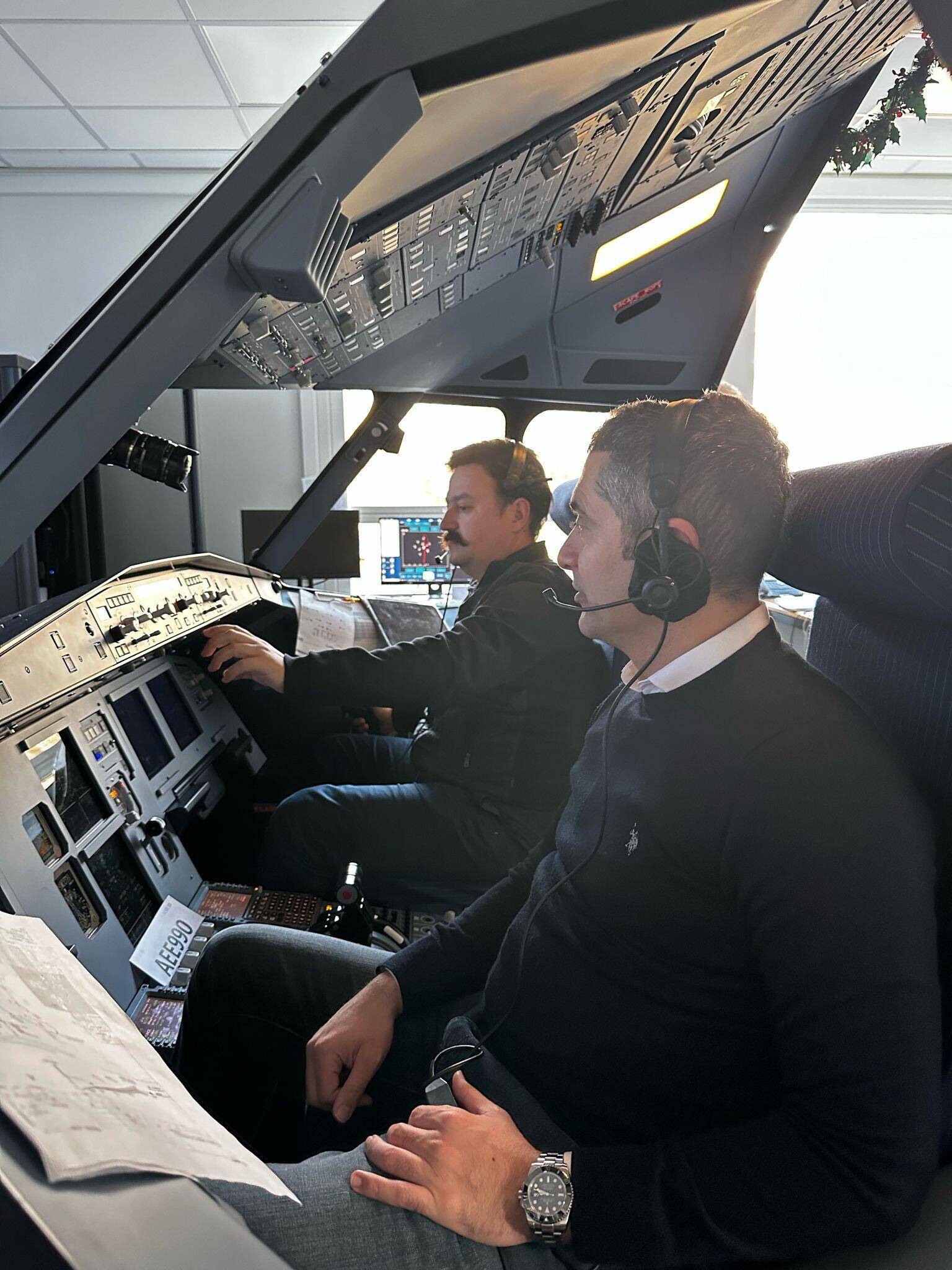
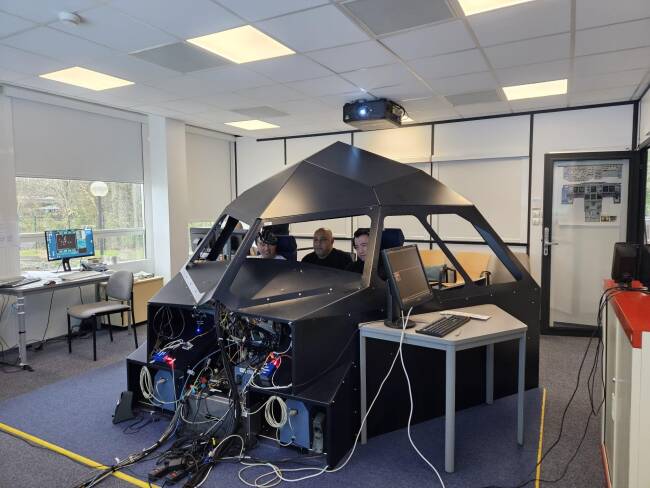
Before live implementation, TRO was tested through real-time simulations at the EUROCONTROL Innovation Hub, replicating traffic and emergency scenarios. These sessions refined coordination, validated safety measures and confirmed controller workload levels.
In early 2025, simulation-based training began in Türkiye, covering sector management and TRO-specific procedures. Triple Runway Operations officially launched on 17 April 2025, initially during moderate traffic periods for gradual adaptation – a transition that went smoothly thanks to extensive preparation and oversight by DHMI’s safety teams.
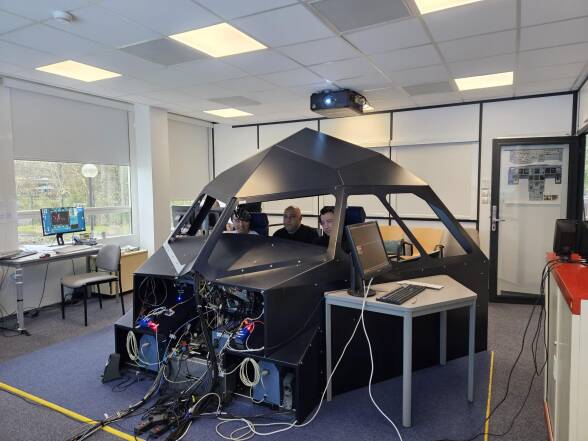
From the start, collaboration was key. EUROCONTROL, DGCA, Turkish Airlines, and DHMI worked jointly to anticipate challenges and resolve them before operational rollout.
Beyond safety, TRO offers clear performance and sustainability gains:
Higher capacity and flexibility – each runway now supports independent arrivals and departures.
Reduced delays – optimised sequencing minimises waiting times.
Lower emissions – efficient approaches reduce fuel burn and environmental impact.
As Istanbul Airport expands with new runways, the TRO framework ensures scalable growth while maintaining uncompromised safety.
Key lessons included:
Layered safety assurance – combining controller monitoring with pilot training strengthened safety defences.
Unified procedures – shared terminology improved coordination and reduced errors.
Enhanced situational awareness – dedicated controllers per runway improved oversight and reduced radio congestion.
Together, these measures produced smoother traffic flow, shorter holding times and fewer airborne delays.
The success of TRO stands as both a national milestone and a benchmark for European aviation. By creating an ICAO-aligned, safety-driven model for triple independent operations, DHMI has shown how innovation and collaboration can enhance air traffic efficiency across Europe.
reinforces Türkiye's position as a reliable and forward-looking contributor
Moving forward, DHMI will continue refining its systems and training programmes, sharing expertise with partners throughout the region. Its practical and cooperative approach reinforces Türkiye’s position as a reliable and forward-looking contributor to the future of air traffic management.
Triple runway operations at Istanbul Airport marks a first for Europe and opens the door to capacity solutions.

The achievement showcases Türkiye’s growing capability in air traffic management (ATM). Led by the General Directorate of State Airports Authority (DHMI), the project reflects how local expertise and global collaboration can deliver safe, efficient, and innovative operations at a global hub.
The project not only expands operational capacity but also reflects years of planning, simulation, and close cooperation among national and international aviation partners.
In a landmark step for European aviation, Türkiye has welcomed Triple Runway Operations (TRO) at Istanbul Airport – becoming the first country in Europe to achieve simultaneous, independent approaches and departures on three parallel runways.

The TRO project was the natural next step – optimising traffic flow, minimising delays, and sustaining long-term efficiency while upholding safety standards.
Since opening in 2019, Istanbul Airport has become one of the world’s largest and most dynamic hubs. To accommodate rapid growth, DHMI refined its airspace design and procedures.
Initially, dual independent parallel operations were introduced in line with ICAO standards, supported by a Point Merge System (PMS) serving both Istanbul and Sabiha Gökçen airports. As daily movements exceeded 1,600 at Istanbul and 800 at Sabiha Gökçen, the need for further capacity became evident.
The result was a scalable safety model
Analytical tools, such as Event Tree Analysis and Functional Hazard Assessment, modelled potential failures, while a five-by-five risk matrix evaluated severity and probability.
The result was a scalable safety model, ensuring every identified risk remained within acceptable limits and providing a solid foundation for future triple-runway operations.
Because ICAO documentation does not yet define TRO procedures, DHMI adopted a risk-based approach, tailoring international principles to Istanbul’s complex airspace.
Starting in 2022, a series of safety workshops and operational assessments brought together EUROCONTROL experts, Turkish DGCA, Turkish Airlines pilots, and DHMI controllers. The team identified 48 hazards and applied 79 mitigation measures, forming the backbone of the TRO safety framework.
New standardised radio communication procedures ensured clear communication between pilots and controllers during complex operational phases. These refinements, supported by feedback and simulation data, keep operations safe, predictable, and resilient – even in heavy traffic or challenging weather.
keep operations safe, predictable, and resilient
TRO transformed both the structure and rhythm of ATM at Istanbul Approach and Tower. DHMI redesigned team roles and modernised communication to ensure faster and safer coordination.
To enhance situational awareness, the number of controllers overseeing final approaches increased from one to three, each assigned to a specific runway. Additional approach and departure roles were introduced to distribute workload evenly.
In early 2025, simulation-based training began in Türkiye, covering sector management and TRO-specific procedures. Triple Runway Operations officially launched on 17 April 2025, initially during moderate traffic periods for gradual adaptation – a transition that went smoothly thanks to extensive preparation and oversight by DHMI’s safety teams.
Before live implementation, TRO was tested through real-time simulations at the EUROCONTROL Innovation Hub, replicating traffic and emergency scenarios. These sessions refined coordination, validated safety measures and confirmed controller workload levels.
Beyond safety, TRO offers clear performance and sustainability gains:
Higher capacity and flexibility – each runway now supports independent arrivals and departures.
Reduced delays – optimised sequencing minimises waiting times.
Lower emissions – efficient approaches reduce fuel burn and environmental impact.
As Istanbul Airport expands with new runways, the TRO framework ensures scalable growth while maintaining uncompromised safety.
Key lessons included:
Layered safety assurance – combining controller monitoring with pilot training strengthened safety defences.
Unified procedures – shared terminology improved coordination and reduced errors.
Enhanced situational awareness – dedicated controllers per runway improved oversight and reduced radio congestion.
Together, these measures produced smoother traffic flow, shorter holding times and fewer airborne delays.
From the start, collaboration was key. EUROCONTROL, DGCA, Turkish Airlines, and DHMI worked jointly to anticipate challenges and resolve them before operational rollout.
Moving forward, DHMI will continue refining its systems and training programmes, sharing expertise with partners throughout the region. Its practical and cooperative approach reinforces Türkiye’s position as a reliable and forward-looking contributor to the future of air traffic management.
reinforces Türkiye's position as a reliable and forward-looking contributor
The success of TRO stands as both a national milestone and a benchmark for European aviation. By creating an ICAO-aligned, safety-driven model for triple independent operations, DHMI has shown how innovation and collaboration can enhance air traffic efficiency across Europe.