


Automation in air traffic will arguably be most important for the many new airspace entrants looking to unlock the full value proposition of emerging autonomous operations.


Erick Corona, Airspace Operational Integration - Wisk

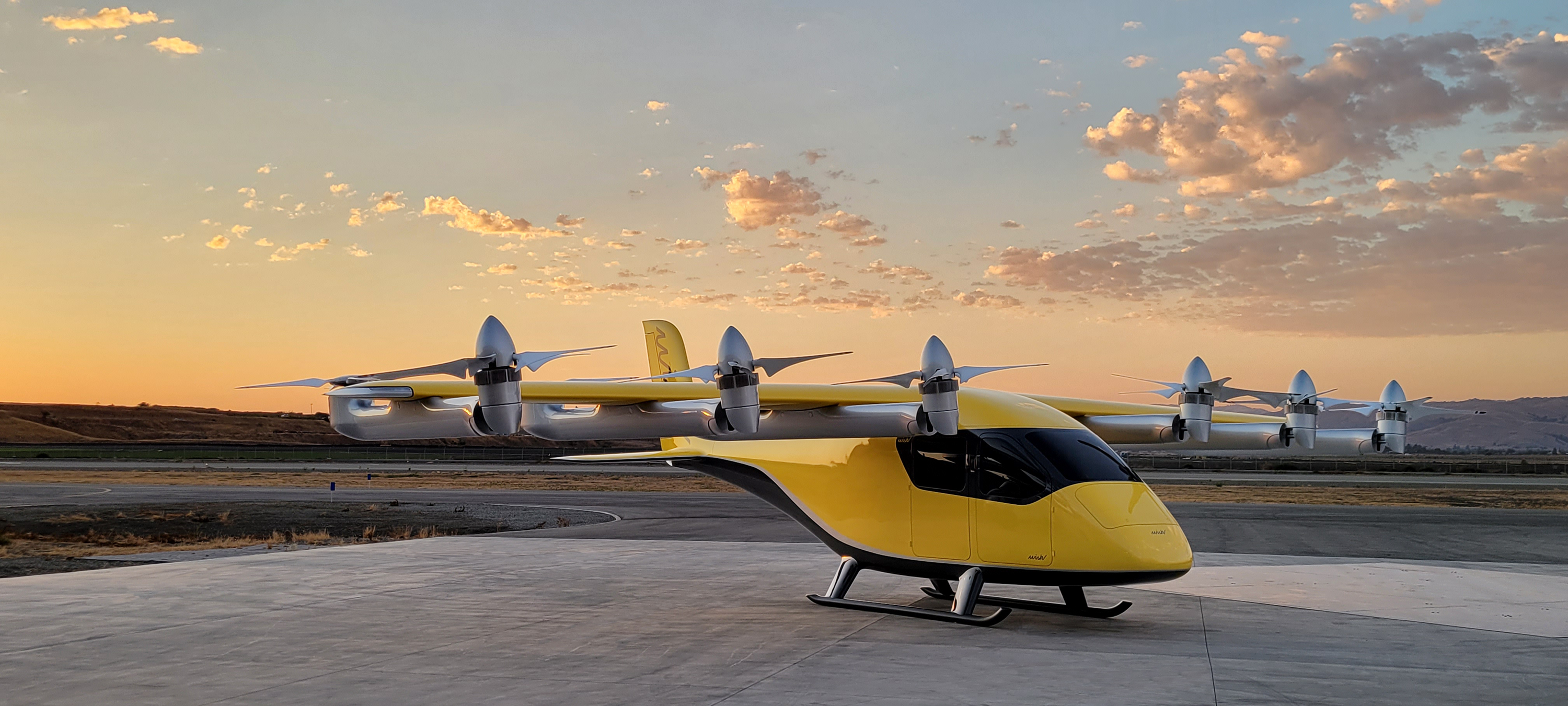
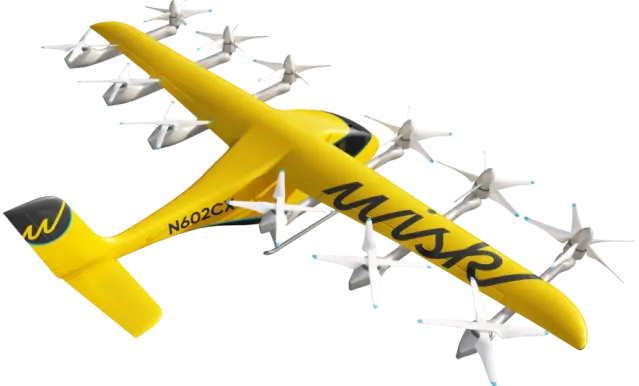
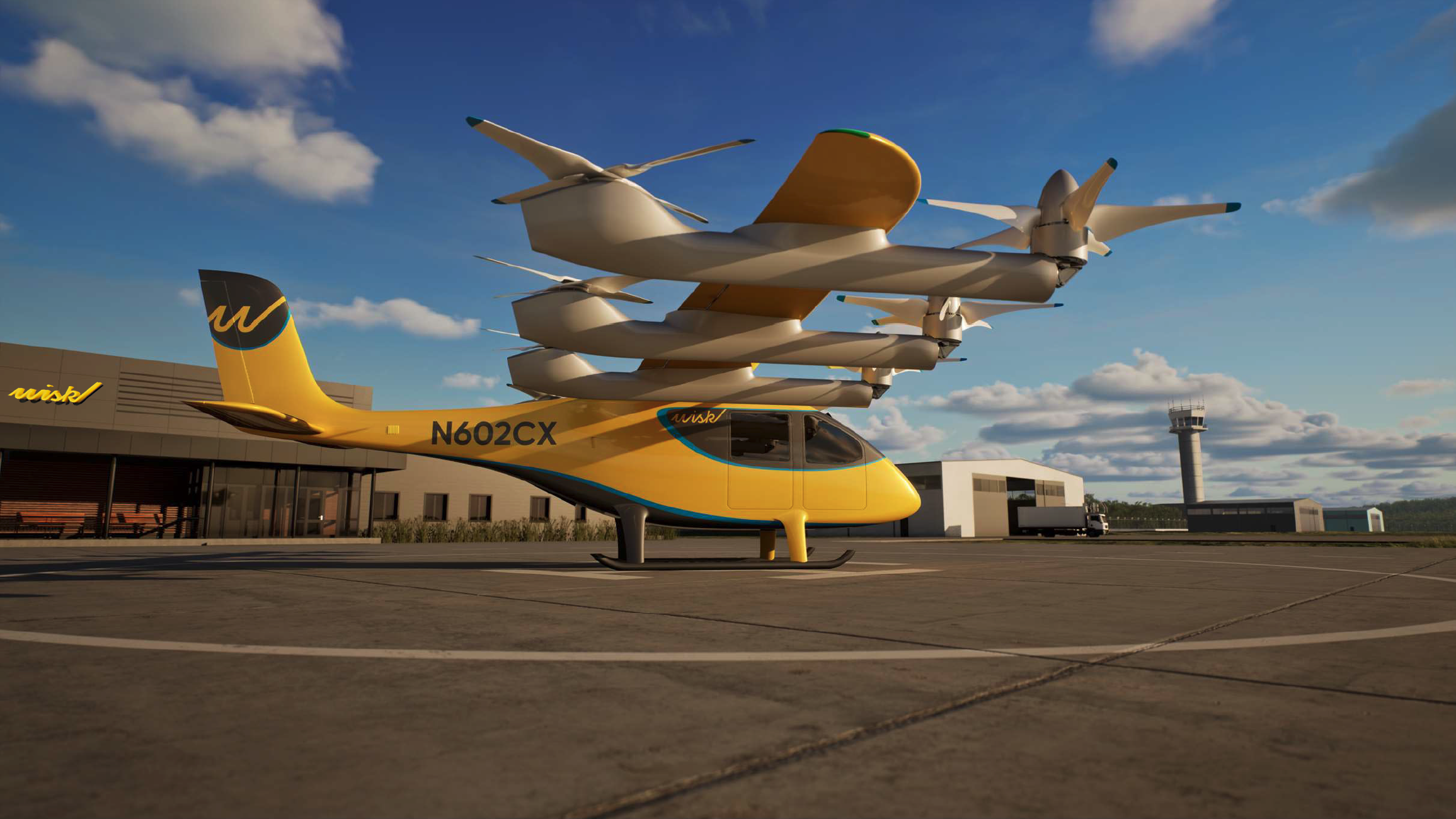
Wisk – which is developing self-flying electric vertical take-off and landing (eVTOL) aircraft to operate in present-day instrument flight rules (IFR) – has a ConOps for the US, for example, that provides a blueprint for how to conduct highly autonomous, remotely supervised operations in today’s airspace. Their vehicle is designed to leverage increased levels of airspace automation.
The Wisk blueprint focuses on tried and tested automation principles in an operation anchored on:
Predictable low-altitude (<4000ft.) fixed-route recurrent flight paths in urban environments.
Management by exception and reduced voice communications with air traffic control (ATC).
No changes to the existing US National Airspace System (NAS).
Wisk’s data-first approach “is aligned with the Complete Air Traffic System (CATS) ConOps,” says Erick Corona, Wisk’s Director, Airspace Operational Integration. “Wisk has adopted a design philosophy that is centred on the use of data and anticipates that automation will extend into how airspace will evolve. Wisk’s Gen 6 architecture will take full advantage of this more autonomous and digital airspace while allowing operations to begin in today’s airspace.”
Automation in air traffic will arguably be most important for the many new airspace entrants looking to unlock the full value proposition of emerging autonomous operations. This novel concept of operations (ConOps) provides a clear signal for the need of new technologies and automated procedures.
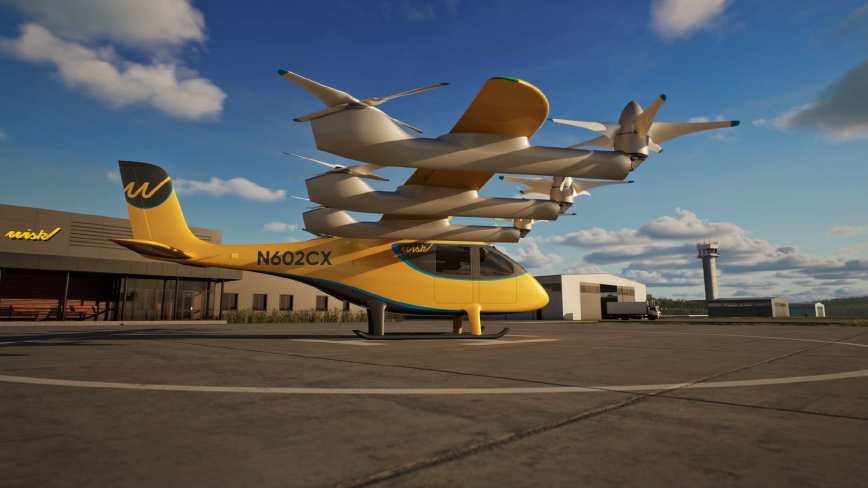
As it pertains to airspace management, coordination with ATC will rely on legacy voice systems, which in the near future will be replaced by digital communication systems that will further enhance airspace operation safety and compliance.
“Anticipating that airspace services are becoming more digital and automated, the Gen 6 eVTOL is engineered to support integration with these emerging systems,” says Corona. “And this integration will result in higher levels of airspace service automation as envisioned by the CATS ConOps.
“All autonomy capabilities combined, and noting the certification and safety levels we are targeting, the aircraft is resilient against highly improbable scenarios, such as the loss of the ground-aircraft command-and-control link,” he adds. “In such a case, the Gen 6 aircraft and operations will be capable of continuing the flight safely.”
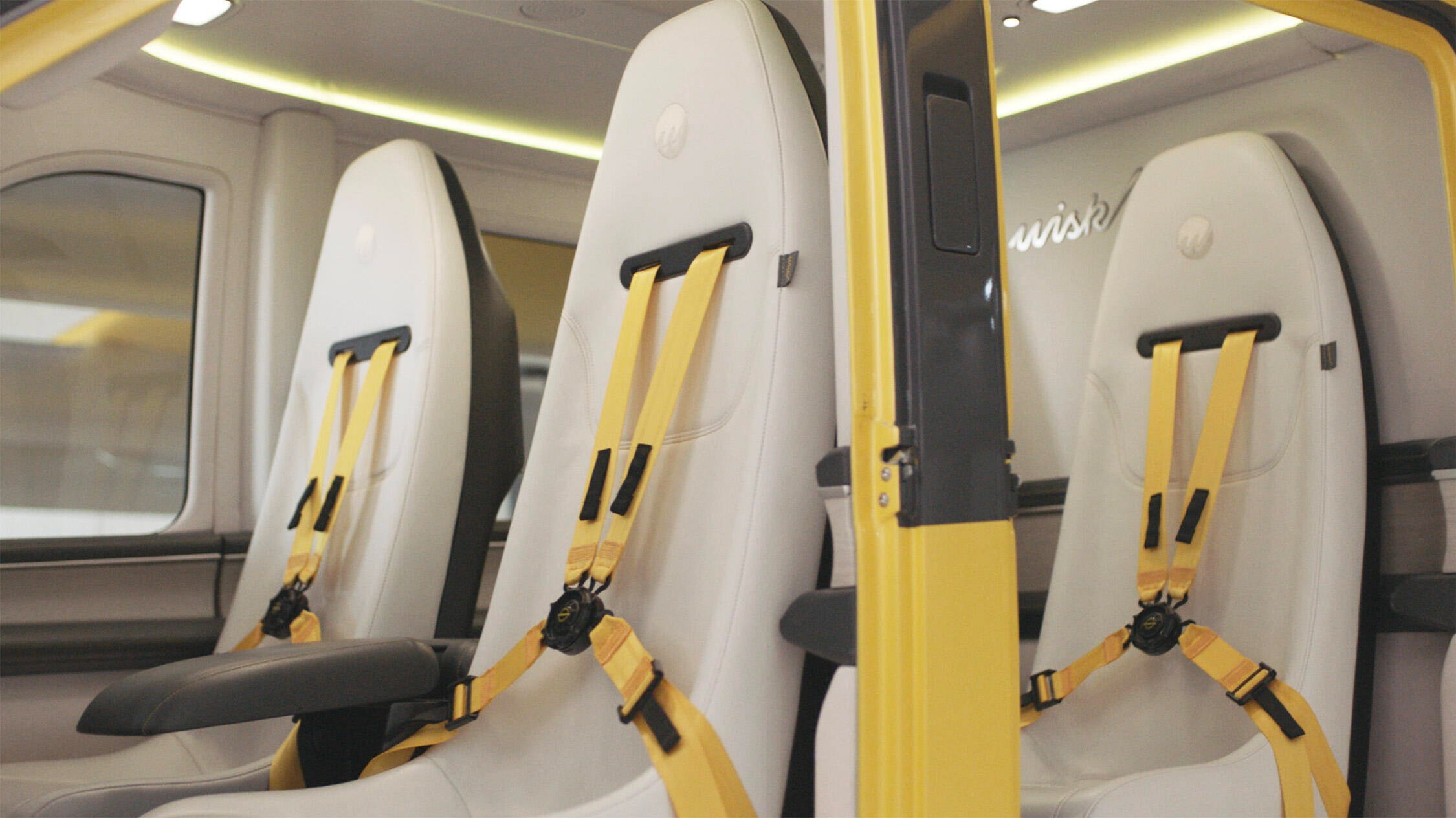
There are multiple advantages in using automation in advanced air mobility (AAM). For Wisk, all conventional aircraft control inputs will be automated for all flight conditions, including traditional high pilot-workload scenarios, such as engine failure, control surface malfunction, and any foreseeable contingency. Wisk’s Gen 6 architecture has no stick, no rudder, and no throttle.
From a navigation standpoint, the integration of the system’s onboard and ground-based sensors provides information that results in greater situational awareness. This assists human oversight and enables more efficient coordination with air traffic control (ATC), continuous conformance to flight plan tracking, execution of Detect and Avoid deconfliction manoeuvres if necessary, and continuous alternate routing / diversion computations—all aimed at maximising safety and streamlining pilot-ATC coordination.


This integration will result in higher levels of airspace service automation.
It should also be remembered that there will be human oversight in all phases of flight, from accepting the aircraft’s mission intent before take-off to handing over to ground crews shortly after touchdown. Throughout the flight, for example, Wisk’s multi-vehicle supervisor will perform the duties of pilot-in-command through a keyboard and screen interface.
And this interface is critical. The right information needs to be provided in the right format, at the right time, and in the right place. The core is understanding how the human interprets and reacts to the data being presented. Achieving this understanding requires an assessment of human performance throughout the ideation-design-validation cycle.
“Without a doubt, the design of Wisk’s Gen 6 human-machine interface entails both qualitative and quantitative traits that call for a unique blend of creativity and engineering rigor, making this one of the most exciting efforts in the company,” says Corona.


This disruption is not unique to aviation.
There are still challenges ahead. Wisk estimates that 93% of the cockpit automation techniques it is using are well established. That remaining 7% gap is where existing autopilot systems require human stick-and-rudder intervention during certain phases of flight and/or contingency scenarios. Wisk is focused on engineering next generation integrated avionics systems that will execute 100% of all flying tasks, an evolutionary progression in autopilot systems that extends well past the assistive nature of current avionics.
A mindset change also must accompany the digital transformation. Beyond the technology and digital ecosystem, it should not be underestimated how a highly autonomous air taxi will revolutionize urban travel. Thought leadership provided by the likes of the CATS ConOps is facilitating that transformation while companies like Wisk and SkyGrid are focused on developing these advanced, highly autonomous technologies across aircraft and airspace.
But it is not just about maturing avionic systems. The digital ecosystem must come of age in its entirety. This requires a step change in how pilots, sensors, computers, and communication all come together in a system capable of delivering highly autonomous, remotely supervised capabilities at the highest levels of aviation safety.
To underline how difficult this is, Corona points out that this was an unheard-of concept just 10 years ago. “This disruption is not unique to aviation, as we are seeing autonomous systems emerge across such sectors as automotive, maritime and manufacturing, among others,” he says. “Wisk, alongside SkyGrid and the broader Boeing Company, is leading the definition of this digital ecosystem.”
Close
The mindset change extends more generally too. Services such as Waymo – driverless cars – are rapidly expanding. But aviation is a different matter. Wisk research indicates that the public understands the value proposition and safety of its eVTOL, which is being certified to the highest levels of safety.
“Bringing autonomy to market requires clear and transparent public engagement,” Corona informs. “Aside from publications such as our ConOps, Wisk continually conducts user research, publishes material and participates in thought leadership forums aimed at informing and engaging the general public.”
Erick Corona, Airspace Operational Integration - Wisk
Of course, seeing is believing. As eVTOLs near certification, the public can expect to see actual flight demonstrations that will clearly illustrate the value and safety proposition.
“The future of AAM is autonomous,” concludes Corona. “Some challenges still remain, but we are close to the finish line and confident that people will be flying safely in Wisk eVTOLs in the near future.”

Automation in air traffic will arguably be most important for the many new airspace entrants looking to unlock the full value proposition of emerging autonomous operations.

Erick Corona, Airspace Operational Integration - Wisk
Wisk – which is developing self-flying electric vertical take-off and landing (eVTOL) aircraft to operate in present-day instrument flight rules (IFR) – has a ConOps for the US, for example, that provides a blueprint for how to conduct highly autonomous, remotely supervised operations in today’s airspace. Their vehicle is designed to leverage increased levels of airspace automation.
The Wisk blueprint focuses on tried and tested automation principles in an operation anchored on:
Predictable low-altitude (<4000ft.) fixed-route recurrent flight paths in urban environments.
Management by exception and reduced voice communications with air traffic control (ATC).
No changes to the existing US National Airspace System (NAS).
Wisk’s data-first approach “is aligned with the Complete Air Traffic System (CATS) ConOps,” says Erick Corona, Wisk’s Director, Airspace Operational Integration. “Wisk has adopted a design philosophy that is centred on the use of data and anticipates that automation will extend into how airspace will evolve. Wisk’s Gen 6 architecture will take full advantage of this more autonomous and digital airspace while allowing operations to begin in today’s airspace.”
Automation in air traffic will arguably be most important for the many new airspace entrants looking to unlock the full value proposition of emerging autonomous operations. This novel concept of operations (ConOps) provides a clear signal for the need of new technologies and automated procedures.
There are multiple advantages in using automation in advanced air mobility (AAM). For Wisk, all conventional aircraft control inputs will be automated for all flight conditions, including traditional high pilot-workload scenarios, such as engine failure, control surface malfunction, and any foreseeable contingency. Wisk’s Gen 6 architecture has no stick, no rudder, and no throttle.
From a navigation standpoint, the integration of the system’s onboard and ground-based sensors provides information that results in greater situational awareness. This assists human oversight and enables more efficient coordination with air traffic control (ATC), continuous conformance to flight plan tracking, execution of Detect and Avoid deconfliction manoeuvres if necessary, and continuous alternate routing / diversion computations—all aimed at maximising safety and streamlining pilot-ATC coordination.
As it pertains to airspace management, coordination with ATC will rely on legacy voice systems, which in the near future will be replaced by digital communication systems that will further enhance airspace operation safety and compliance.
“Anticipating that airspace services are becoming more digital and automated, the Gen 6 eVTOL is engineered to support integration with these emerging systems,” says Corona. “And this integration will result in higher levels of airspace service automation as envisioned by the CATS ConOps.
“All autonomy capabilities combined, and noting the certification and safety levels we are targeting, the aircraft is resilient against highly improbable scenarios, such as the loss of the ground-aircraft command-and-control link,” he adds. “In such a case, the Gen 6 aircraft and operations will be capable of continuing the flight safely.”
This integration will result in higher levels of airspace service automation.

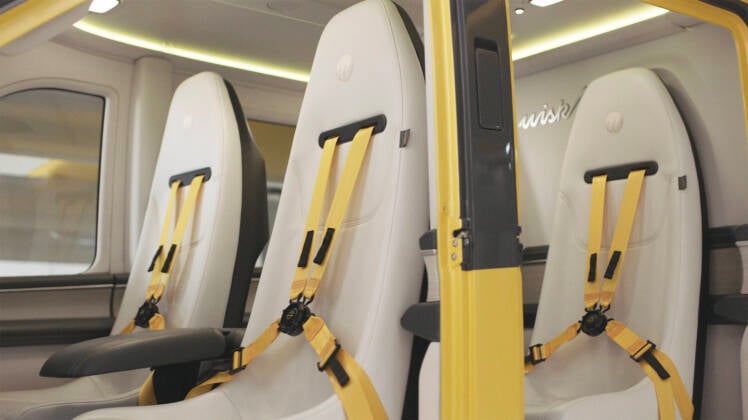
It should also be remembered that there will be human oversight in all phases of flight, from accepting the aircraft’s mission intent before take-off to handing over to ground crews shortly after touchdown. Throughout the flight, for example, Wisk’s multi-vehicle supervisor will perform the duties of pilot-in-command through a keyboard and screen interface.
And this interface is critical. The right information needs to be provided in the right format, at the right time, and in the right place. The core is understanding how the human interprets and reacts to the data being presented. Achieving this understanding requires an assessment of human performance throughout the ideation-design-validation cycle.
“Without a doubt, the design of Wisk’s Gen 6 human-machine interface entails both qualitative and quantitative traits that call for a unique blend of creativity and engineering rigor, making this one of the most exciting efforts in the company,” says Corona.
This disruption is not unique to aviation.
There are still challenges ahead. Wisk estimates that 93% of the cockpit automation techniques it is using are well established. That remaining 7% gap is where existing autopilot systems require human stick-and-rudder intervention during certain phases of flight and/or contingency scenarios. Wisk is focused on engineering next generation integrated avionics systems that will execute 100% of all flying tasks, an evolutionary progression in autopilot systems that extends well past the assistive nature of current avionics.
A mindset change also must accompany the digital transformation. Beyond the technology and digital ecosystem, it should not be underestimated how a highly autonomous air taxi will revolutionize urban travel. Thought leadership provided by the likes of the CATS ConOps is facilitating that transformation while companies like Wisk and SkyGrid are focused on developing these advanced, highly autonomous technologies across aircraft and airspace.
But it is not just about maturing avionic systems. The digital ecosystem must come of age in its entirety. This requires a step change in how pilots, sensors, computers, and communication all come together in a system capable of delivering highly autonomous, remotely supervised capabilities at the highest levels of aviation safety.
To underline how difficult this is, Corona points out that this was an unheard-of concept just 10 years ago. “This disruption is not unique to aviation, as we are seeing autonomous systems emerge across such sectors as automotive, maritime and manufacturing, among others,” he says. “Wisk, alongside SkyGrid and the broader Boeing Company, is leading the definition of this digital ecosystem.”
Erick Corona, Airspace Operational Integration - Wisk
Of course, seeing is believing. As eVTOLs near certification, the public can expect to see actual flight demonstrations that will clearly illustrate the value and safety proposition.
“The future of AAM is autonomous,” concludes Corona. “Some challenges still remain, but we are close to the finish line and confident that people will be flying safely in Wisk eVTOLs in the near future.”
The mindset change extends more generally too. Services such as Waymo – driverless cars – are rapidly expanding. But aviation is a different matter. Wisk research indicates that the public understands the value proposition and safety of its eVTOL, which is being certified to the highest levels of safety.
“Bringing autonomy to market requires clear and transparent public engagement,” Corona informs. “Aside from publications such as our ConOps, Wisk continually conducts user research, publishes material and participates in thought leadership forums aimed at informing and engaging the general public.”