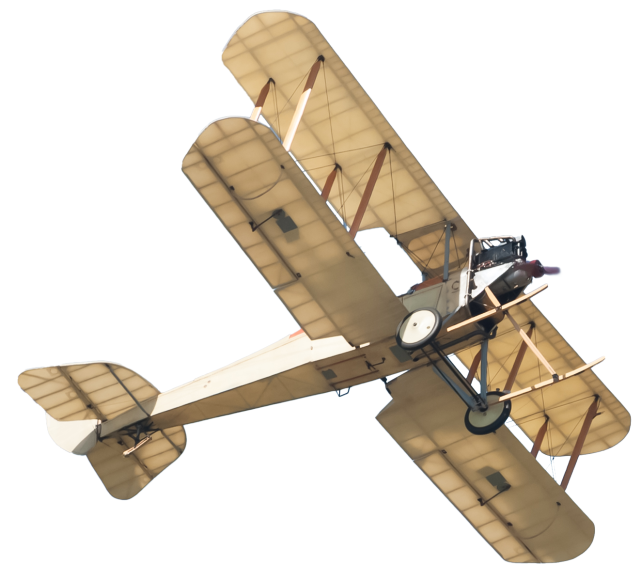
Automation in aviation has a long history, originating in 1912 when the Sperry Corporation introduced gyroscope technology to stabilise aircraft control surfaces.


Mark Klopf, Director, ATM Product Strategy and International Affairs at Frequentis


“And we’re surrounded by automation day to day,” says Markus Klopf, Director, ATM Product Strategy and International Affairs at Frequentis. “It’s in phones and cars and so much else. But in air traffic control (ATC), the confusion lies in the broad understanding of automation. It is sometimes thought that the human is not in control but they most certainly are. In ATC, automation is designed so the controller always remains in the loop.”
Automation in aviation has a long history, originating in 1912 when the Sperry Corporation introduced gyroscope technology to stabilise aircraft control surfaces. This advancement enabled aircraft to maintain straight and level flight without constant pilot intervention, which was essential for long-duration flights and minimising pilot fatigue.
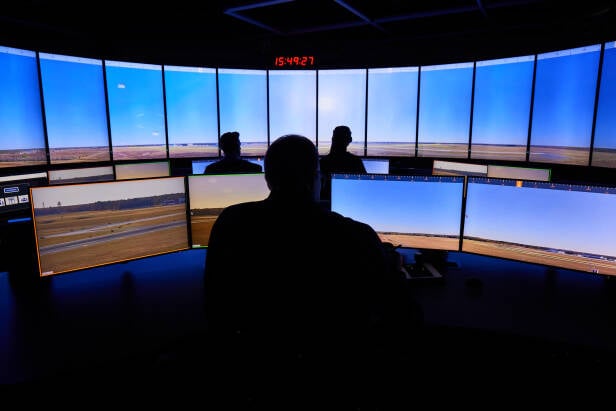

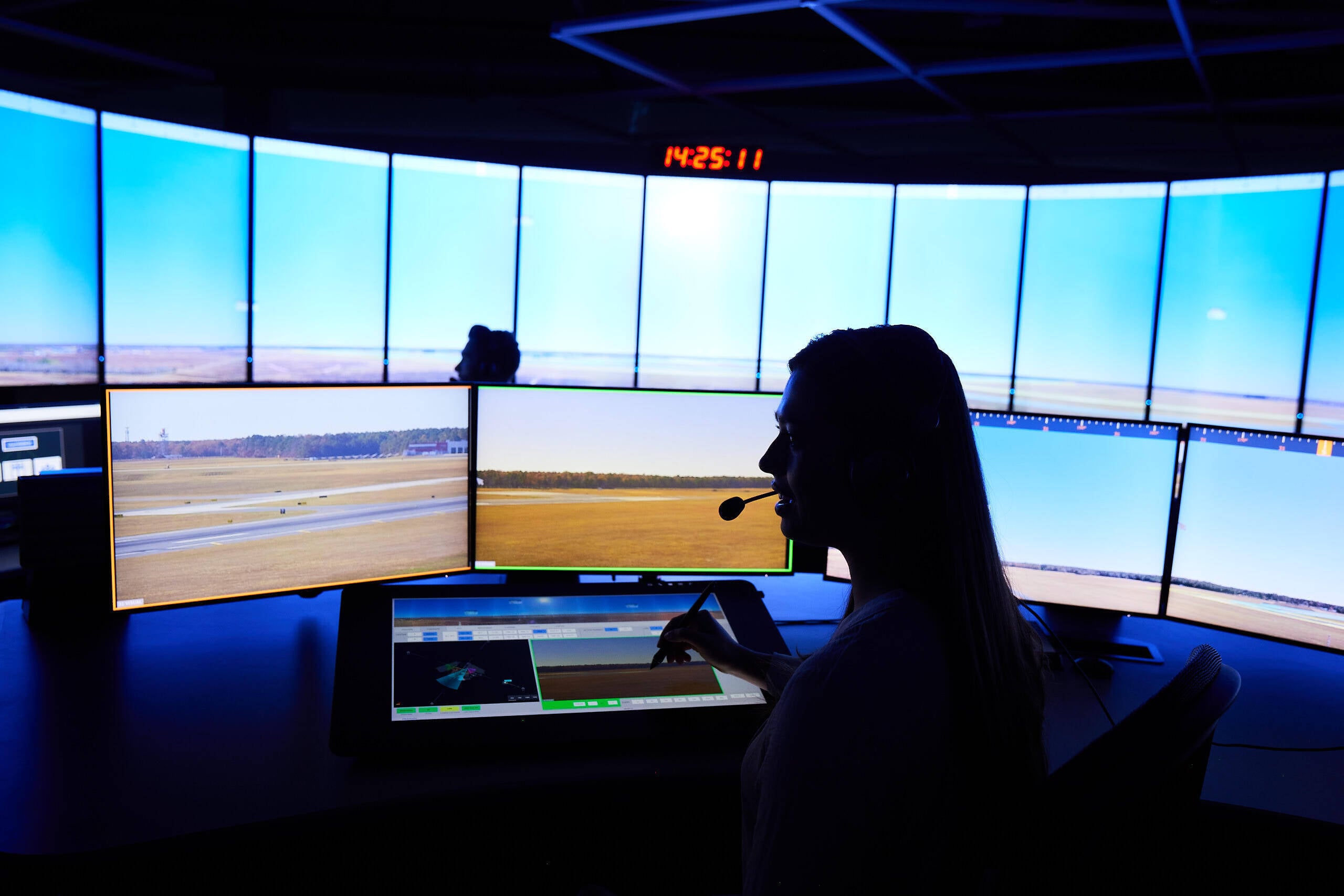
Frequentis’ foray into automation began with the digitalisation of flight strips and its work in remote towers. It is now working on advanced concepts, such as Trajectory-based operations (TBO), which relies on automated data distribution and usage. Automation is also a part of speech recognition, which has become a normalised service.
But Klopf notes that it is in human-machine teaming – the term is preferred to interaction – that most advances are being made. This is the critical juncture that can make or break an automated process or system.
To begin with, any action by the user must create an immediate response. Klopf uses the analogy of a navigation interface in a car, which would be of little use if it took too long to update. Similarly, any data produced by the system must be immediately understood by the user.
But it is vital that user awareness is maintained, which means that the dissemination of information and alerts must be carefully managed so as not to overload an air traffic controller (ATCO).
“There are many best practices available in this area,” says Klopf. “Some come from other mission-critical control rooms, others come from everyday areas, such as the automotive sector. We are learning and refining all the time. We have to direct the eyes of an ATCO to what needs to be seen. Colours might be used, for example, with red being an alert and grey signifying reduced importance.”
It is also important to limit the necessary ATCO inputs into the system, such as trajectory revisions. The aim is to reduce workload rather than increase it. But that can be a challenge. An extreme weather event might mean an ATCO can’t make timely updates, creating false alarms and the potential of missing a crucial safety concern.
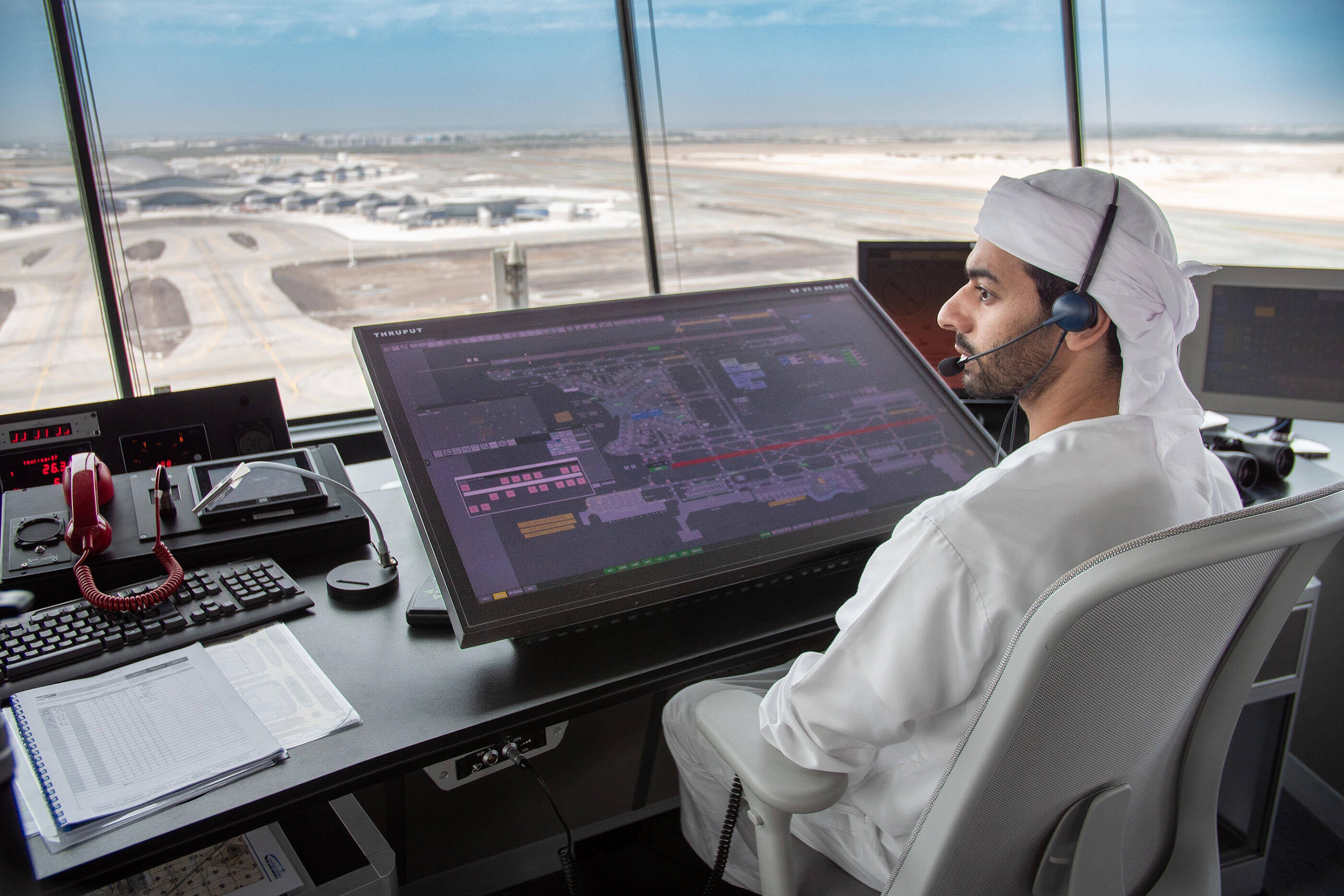
Of course, the increasing complexity of airspace with ever-more traffic and airspace users necessitate automation. Simply, humans can never fully digest the amount of information being exchanged. Moreover, air navigation service providers (ANSP) are having to deal with this density of operations without significantly upgrading available resources. In this sense, automation is not a technological innovation but an operational necessity.
System automation is easier when lives are not at risk, says Klopf. Frequentis is participating in several SESAR projects, where significant work is underway. “It can be complex,” he says. “But all parties need to be sure they understand how a system works and the full implications of implementing automation.”
This includes regulators. Klopf says it is good that regulators challenge the industry to be safe as it is an approach that has led to aviation having an unparalleled safety record. “This is not blocking development,” he insists. “This is making sure an automated system in aviation is completely safe.”
Because automation is well established – even in aviation – the framework for certifying systems is robust as the required safety level is well known. Essentially, regulators such as the European Aviation Safety Agency (EASA) are taking a context-based approach, allowing faster approvals for less critical systems.
“New aspects of artificial intelligence are making it trickier though,” admits Klopf. “You can’t show all possibilities in AI-based algorithms. Instead, it is about safety design.”
New aspects of artificial intelligence are making it trickier.
Another point to be considered is the predictability and transparency of results. Controllers must first be able to trust that outputs are consistent so they can anticipate how to react in specific situations. Next, they must be able to cross-check the methods behind the results, so the processes can be validated. Only then can there be full confidence in the AI recommendations.
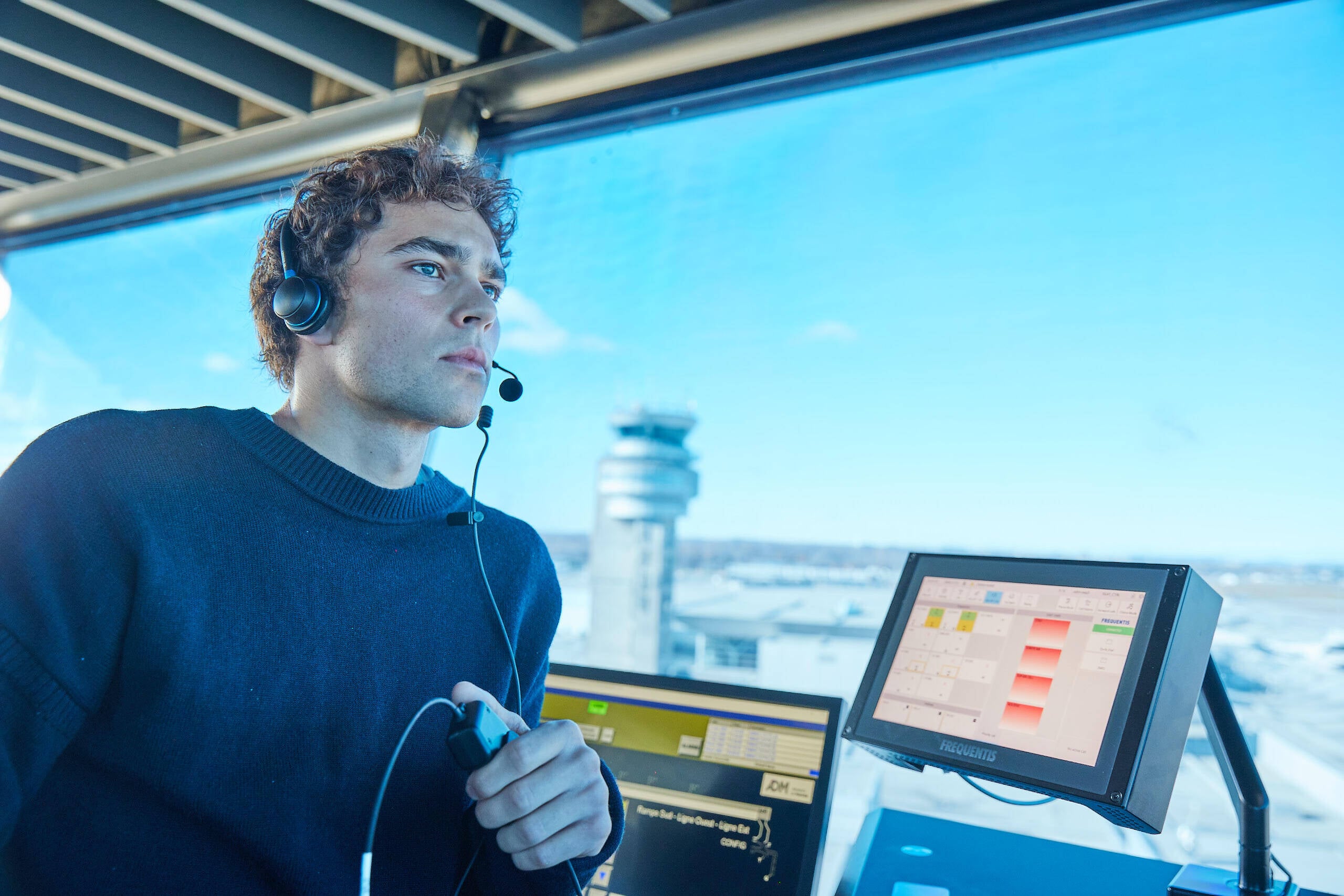

Other milestones in the Frequentis roadmap include how resilience is framed. There are usually multiple levels of redundancy depending on the criticality of the system, but the bottom line is the need for another concept of operations if things go wrong. If automation changes the way an ATCO works, then resilience needs to change too. Klopf accepts this is an area that needs more work as clearing the skies and shutting down airports would not be an ideal solution.
As for disruptive events, Klopf believes that this would be an area in which automation could excel. Its ability to handle routine tasks while an ATCO focuses on the situation could make a substantial difference.
Mark Klopf, Director, ATM Product Strategy and International Affairs at Frequentis
As for a fully automated system in the future, “it is technically possible but there are questions about where the safety guardrails will be established,” says Klopf. “How far should the industry go in trusting automation? Younger generations may well have a different viewpoint and so where the line is drawn will move as attitudes and the technology evolves.”
As he looks ahead, Klopf says he expects insights from advanced air mobility. The automated distribution of data and such concepts as self-separation could inform how civil aviation systems and procedures will develop.
He also notes that automation will likely develop at different speeds around the world. The concept is accepted in more mature economies and Klopf suggests this will lead to a smoother adoption. In fact, for younger generations beginning to travel and enter the workforce, automation is an accepted fact. In other areas, human resources are more readily available and so implementing automated systems may not be so high up the agenda.

Close
Automation in aviation has a long history, originating in 1912 when the Sperry Corporation introduced gyroscope technology to stabilise aircraft control surfaces.


Mark Klopf, Director, ATM Product Strategy and International Affairs at Frequentis
“And we’re surrounded by automation day to day,” says Markus Klopf, Director, ATM Product Strategy and International Affairs at Frequentis. “It’s in phones and cars and so much else. But in air traffic control (ATC), the confusion lies in the broad understanding of automation. It is sometimes thought that the human is not in control but they most certainly are. In ATC, automation is designed so the controller always remains in the loop.”
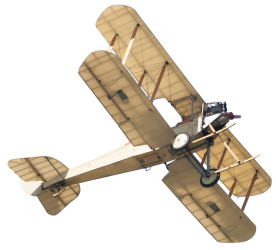
Automation in aviation has a long history, originating in 1912 when the Sperry Corporation introduced gyroscope technology to stabilise aircraft control surfaces. This advancement enabled aircraft to maintain straight and level flight without constant pilot intervention, which was essential for long-duration flights and minimising pilot fatigue.
To begin with, any action by the user must create an immediate response. Klopf uses the analogy of a navigation interface in a car, which would be of little use if it took too long to update. Similarly, any data produced by the system must be immediately understood by the user.
But it is vital that user awareness is maintained, which means that the dissemination of information and alerts must be carefully managed so as not to overload an air traffic controller (ATCO).
Frequentis’ foray into automation began with the digitalisation of flight strips and its work in remote towers. It is now working on advanced concepts, such as Trajectory-based operations (TBO), which relies on automated data distribution and usage. Automation is also a part of speech recognition, which has become a normalised service.
But Klopf notes that it is in human-machine teaming – the term is preferred to interaction – that most advances are being made. This is the critical juncture that can make or break an automated process or system.
It is also important to limit the necessary ATCO inputs into the system, such as trajectory revisions. The aim is to reduce workload rather than increase it. But that can be a challenge. An extreme weather event might mean an ATCO can’t make timely updates, creating false alarms and the potential of missing a crucial safety concern.
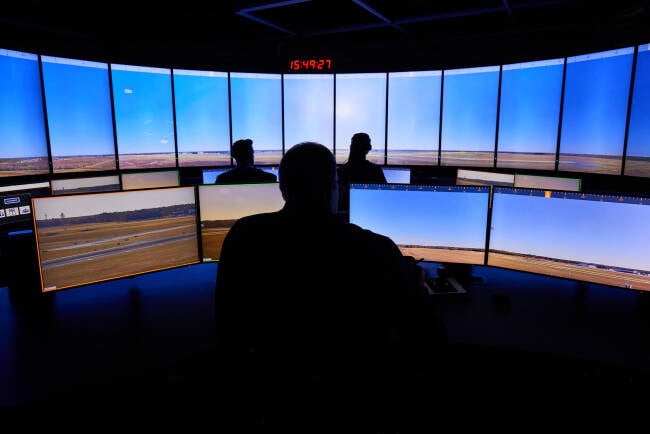
“There are many best practices available in this area,” says Klopf. “Some come from other mission-critical control rooms, others come from everyday areas, such as the automotive sector. We are learning and refining all the time. We have to direct the eyes of an ATCO to what needs to be seen. Colours might be used, for example, with red being an alert and grey signifying reduced importance.”
System automation is easier when lives are not at risk, says Klopf. Frequentis is participating in several SESAR projects, where significant work is underway. “It can be complex,” he says. “But all parties need to be sure they understand how a system works and the full implications of implementing automation.”
This includes regulators. Klopf says it is good that regulators challenge the industry to be safe as it is an approach that has led to aviation having an unparalleled safety record. “This is not blocking development,” he insists. “This is making sure an automated system in aviation is completely safe.”
Of course, the increasing complexity of airspace with ever-more traffic and airspace users necessitate automation. Simply, humans can never fully digest the amount of information being exchanged. Moreover, air navigation service providers (ANSP) are having to deal with this density of operations without significantly upgrading available resources. In this sense, automation is not a technological innovation but an operational necessity.
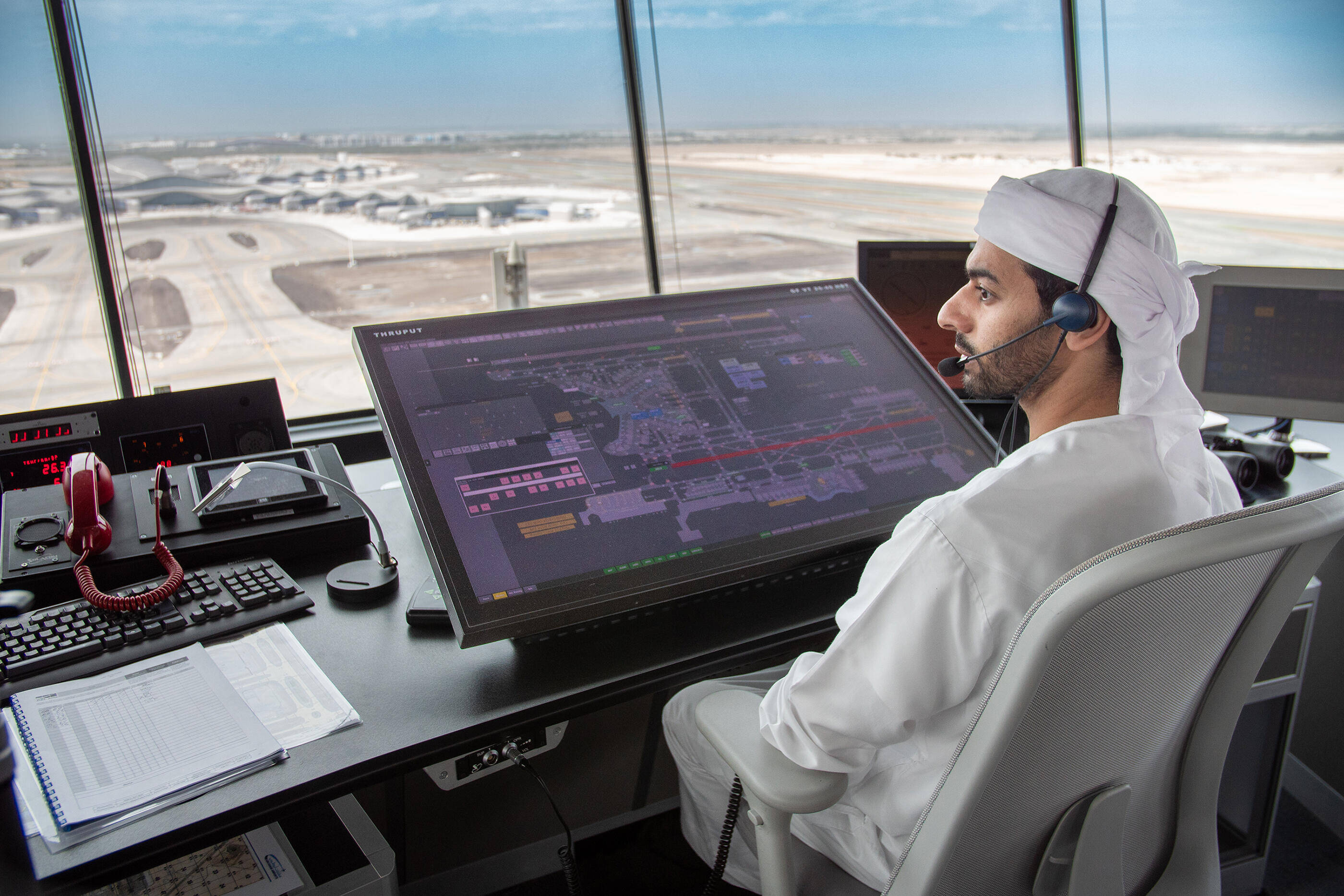
New aspects of artificial intelligence are making it trickier.
Another point to be considered is the predictability and transparency of results. Controllers must first be able to trust that outputs are consistent so they can anticipate how to react in specific situations. Next, they must be able to cross-check the methods behind the results, so the processes can be validated. Only then can there be full confidence in the AI recommendations.
Because automation is well established – even in aviation – the framework for certifying systems is robust as the required safety level is well known. Essentially, regulators such as the European Aviation Safety Agency (EASA) are taking a context-based approach, allowing faster approvals for less critical systems.
“New aspects of artificial intelligence are making it trickier though,” admits Klopf. “You can’t show all possibilities in AI-based algorithms. Instead, it is about safety design.”
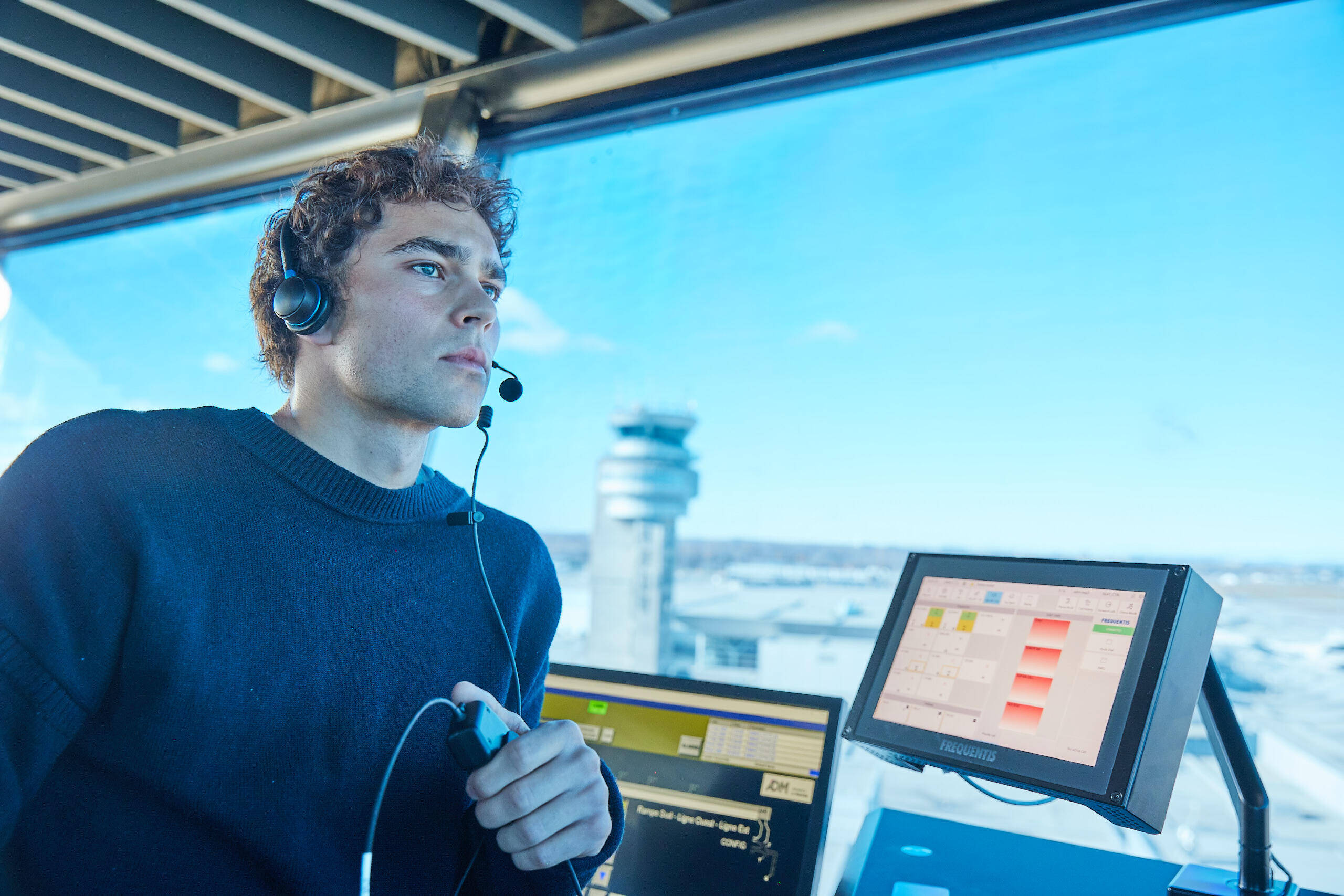
Mark Klopf, Director, ATM Product Strategy and International Affairs at Frequentis
As for a fully automated system in the future, “it is technically possible but there are questions about where the safety guardrails will be established,” says Klopf. “How far should the industry go in trusting automation? Younger generations may well have a different viewpoint and so where the line is drawn will move as attitudes and the technology evolves.”
As he looks ahead, Klopf says he expects insights from advanced air mobility. The automated distribution of data and such concepts as self-separation could inform how civil aviation systems and procedures will develop.
He also notes that automation will likely develop at different speeds around the world. The concept is accepted in more mature economies and Klopf suggests this will lead to a smoother adoption. In fact, for younger generations beginning to travel and enter the workforce, automation is an accepted fact. In other areas, human resources are more readily available and so implementing automated systems may not be so high up the agenda.
Other milestones in the Frequentis roadmap include how resilience is framed. There are usually multiple levels of redundancy depending on the criticality of the system, but the bottom line is the need for another concept of operations if things go wrong. If automation changes the way an ATCO works, then resilience needs to change too. Klopf accepts this is an area that needs more work as clearing the skies and shutting down airports would not be an ideal solution.
As for disruptive events, Klopf believes that this would be an area in which automation could excel. Its ability to handle routine tasks while an ATCO focuses on the situation could make a substantial difference.