


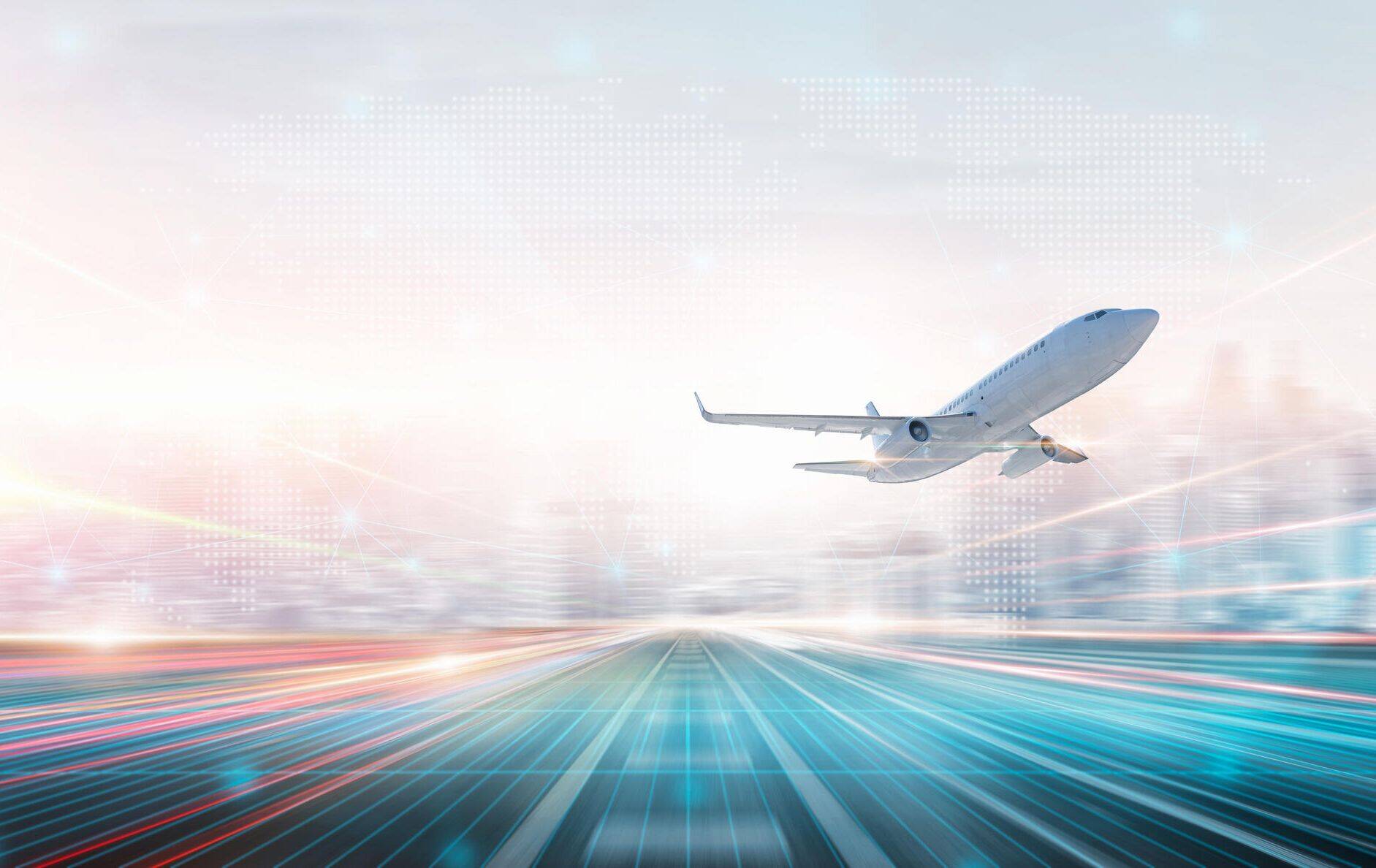
CANSO President & CEO Simon Hocquard highlights the growing momentum in global aviation. Air transport is in high demand, and the industry is preparing to welcome new airspace entrants. As skies become busier, automation and human-machine collaboration are key to ensuring safe and efficient operations.

Close

Simon Hocquard, President & CEO, CANSO
How human and machine can best work together is a truly fascinating area."

Air transport is in demand. The recovery from the pandemic is complete and we are looking forward to continued growth in civil aviation and to welcoming new airspace entrants.
So yes, we will need automation to help deliver safe and seamless skies. But it is not something to be wary of – it works. Let’s embrace it because it improves safety. And we are learning and refining its use all the time.
How human and machine can best work together is a truly fascinating area. What information does an air traffic controller (ATCO) need when certain processes are automated? How should that information be presented and when? How will the skillset change?
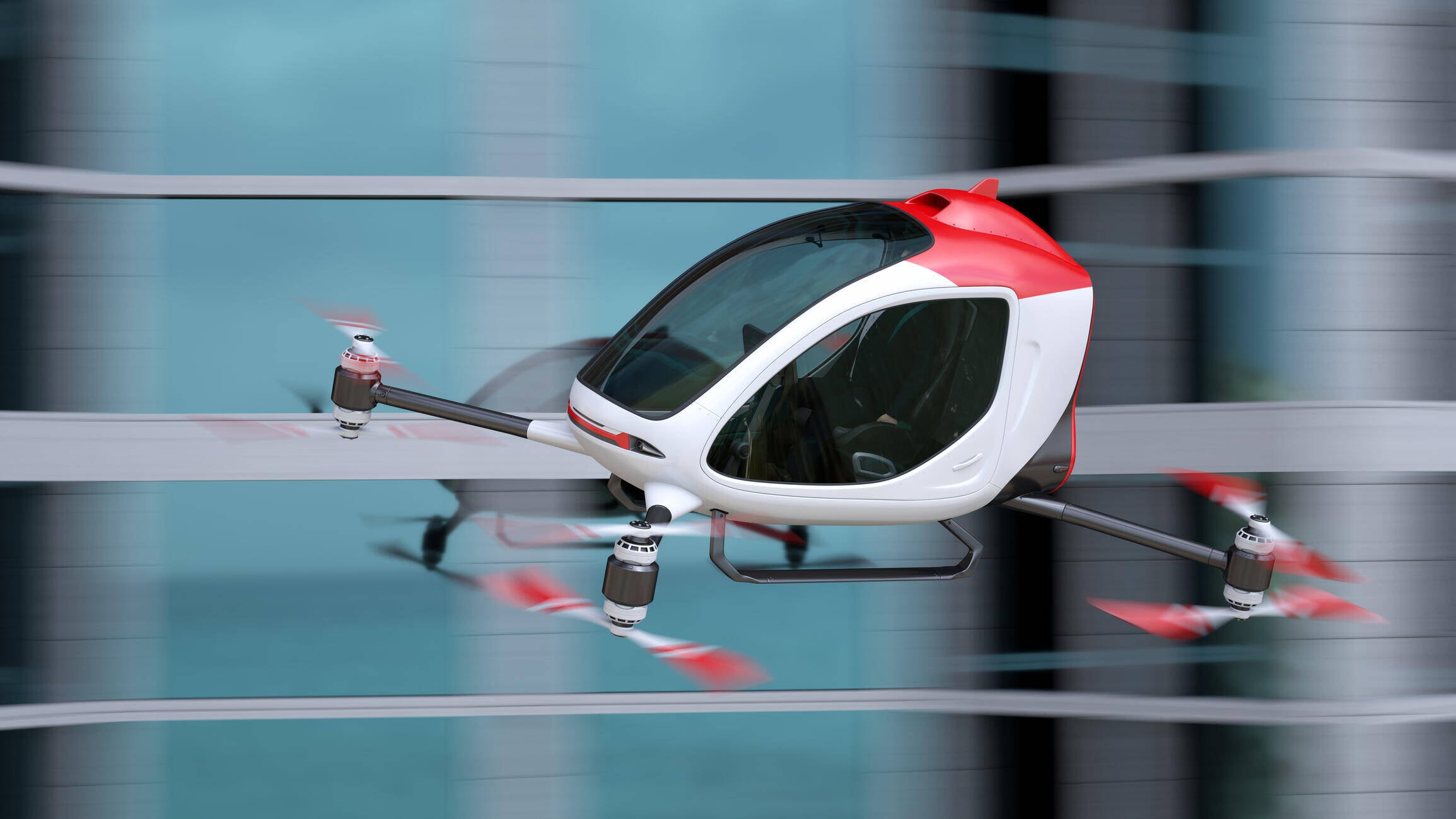
Fortunately, we have a great test bed that I’m sure will provide some compelling answers – advanced air mobility (AAM). This sector is working hard to bring new products to market and in so doing is proving all manner of concepts in a highly autonomous environment with human oversight. We will learn a lot from AAM developers, and I watch this sector with keen interest.
But let’s remember that they have learned a lot from us too. In fact, most of the technology onboard the electric vertical take-off and landing (eVTOL) aircraft of the future and in their control rooms is already in today’s cockpits and towers. We are the platform for their success.
And what do we call it when two sectors learn from each other? Collaboration! It is a well-worn word but that makes it no less important. And automation is the perfect example of how collaboration works in practice.
Best practice wherever it is found can help us all. We see that at the Complete Air Traffic System (CATS) Global Council. Bringing together the industry, technology providers, regulators and researchers is not only accelerating progress but putting that progress on a firmer footing.
Coping with the increasingly complex skies will require new technologies and a re-calibration of how we manage our skies. We are in the midst of re-imagining air traffic management and automation is often cited as a significant enabler in this regard.
This is, of course, entirely correct. But we need to be clear. Automation is not new. In fact, it’s been used in aviation for more than 100 years. And it is around us and helping us every day, from processing financial transactions to processing food in the kitchen. The modern world and our industry are well versed in automation.
Why is that important? Because it means automation works, automation is safe and automation is secure.
That’s a critical mindset to have. We know a lot, including its strengths and weaknesses, which makes it easier to properly test and reflect on what is to come. We are building on solid foundations.
Automation is now being supplemented by artificial intelligence (AI) and industry providers are breaking new ground in human-in-the-loop or over-the-loop paradigms.
AI introduces the idea of algorithms that adapt with experience and exactly how we accommodate machine learning from a regulatory and safety perspective is a work in progress. But again, there is plenty of expertise to fall back on. Even AI stretches back to the 1950s.

CANSO President & CEO Simon Hocquard highlights the growing momentum in global aviation. Air transport is in high demand, and the industry is preparing to welcome new airspace entrants. As skies become busier, automation and human-machine collaboration are key to ensuring safe and efficient operations.


So yes, we will need automation to help deliver safe and seamless skies. But it is not something to be wary of – it works. Let’s embrace it because it improves safety. And we are learning and refining its use all the time.
Coping with the increasingly complex skies will require new technologies and a re-calibration of how we manage our skies. We are in the midst of re-imagining air traffic management and automation is often cited as a significant enabler in this regard.
This is, of course, entirely correct. But we need to be clear. Automation is not new. In fact, it’s been used in aviation for more than 100 years. And it is around us and helping us every day, from processing financial transactions to processing food in the kitchen. The modern world and our industry are well versed in automation.
Why is that important? Because it means automation works, automation is safe and automation is secure.
That’s a critical mindset to have. We know a lot, including its strengths and weaknesses, which makes it easier to properly test and reflect on what is to come. We are building on solid foundations.
Automation is now being supplemented by artificial intelligence (AI) and industry providers are breaking new ground in human-in-the-loop or over-the-loop paradigms.
AI introduces the idea of algorithms that adapt with experience and exactly how we accommodate machine learning from a regulatory and safety perspective is a work in progress. But again, there is plenty of expertise to fall back on. Even AI stretches back to the 1950s.
Air transport is in demand. The recovery from the pandemic is complete and we are looking forward to continued growth in civil aviation and to welcoming new airspace entrants.
How human and machine can best work together is a truly fascinating area."
Simon Hocquard, President & CEO, CANSO

How human and machine can best work together is a truly fascinating area. What information does an air traffic controller (ATCO) need when certain processes are automated? How should that information be presented and when? How will the skillset change?
Fortunately, we have a great test bed that I’m sure will provide some compelling answers – advanced air mobility (AAM). This sector is working hard to bring new products to market and in so doing is proving all manner of concepts in a highly autonomous environment with human oversight. We will learn a lot from AAM developers, and I watch this sector with keen interest.
But let’s remember that they have learned a lot from us too. In fact, most of the technology onboard the electric vertical take-off and landing (eVTOL) aircraft of the future and in their control rooms is already in today’s cockpits and towers. We are the platform for their success.
And what do we call it when two sectors learn from each other? Collaboration! It is a well-worn word but that makes it no less important. And automation is the perfect example of how collaboration works in practice.
Best practice wherever it is found can help us all. We see that at the Complete Air Traffic System (CATS) Global Council. Bringing together the industry, technology providers, regulators and researchers is not only accelerating progress but putting that progress on a firmer footing.