Simon Hocquard, CANSO’s Director General, argues that tomorrow’s skies are available today.




Close
The future is now.
That is just one reason why CANSO’s Complete Air Traffic System (CATS) is so important. The CATS vision brings all the cutting-edge ideas seen at Airspace World together. We’ve now released a Concept of Operations (CONOPs) that details the milestones on our path to progress. New technologies are difficult to pin down and there will always be disruptors – initiatives that seemingly come out of the blue. Even so, I am confident that the markers we have put down are both ambitious and realistic. And they will keep ATM where it needs to be, one step ahead of industry requirements.
The CATS Global Council is integral to our work. Not only does it back up the collaboration we saw at Airspace World – as it features representatives from internal and external stakeholders – but also it ensures there is no shortage of input. We truly get a big picture view of the impact of every decision. And each suggestion challenges us to do better. That is a sure sign of a healthy industry – one that is always prepared to question its own assumptions in the drive for perfection.
So, the next time you are asked how ATM is going to cope with aviation’s future growth, you can simply point to what is happening today. The ATM community has embraced its responsibilities and is already delivering.

So, when we talk about pioneering ideas in ATCO training or how we can incorporate new airspace users, we would do well to remember that it is already happening.
This is undisputable evidence that our sector is incredibly innovative even under the most trying conditions. Money is tight and the weather is as unpredictable as the geopolitical situation. Even so, there are some incredible ideas out there and viable products that are already providing tangible results.
Describing this sector as being slow to modernise is a lazy categorisation. It doesn’t reflect the reality that was on display at Airspace World.
But though we can all be proud of the work done to date, that doesn’t mean it is time to rest. In fact, we need to accelerate our efforts. We must stay ahead of the curve and accommodate changes before they happen – not a few years after the fact.
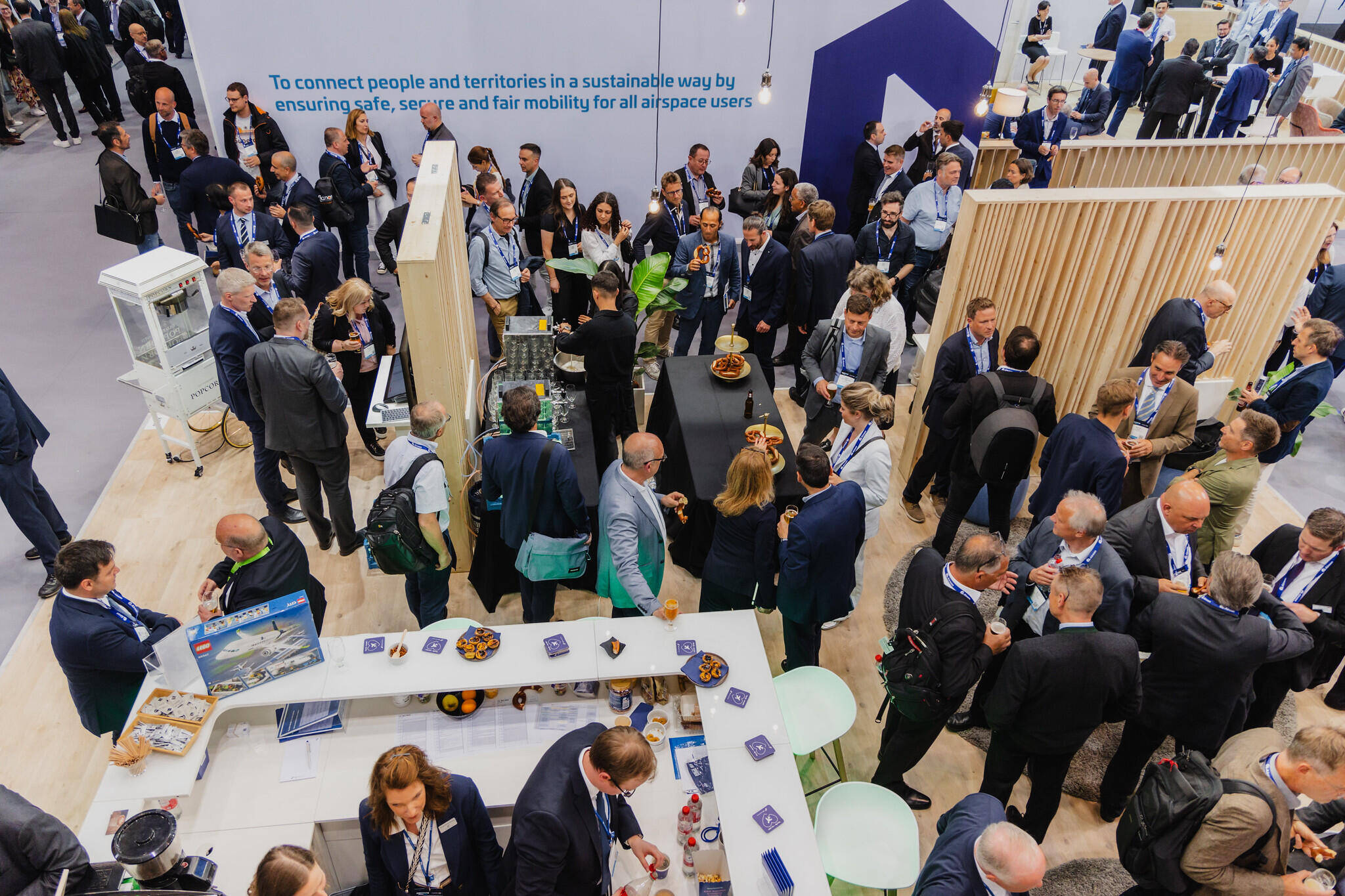
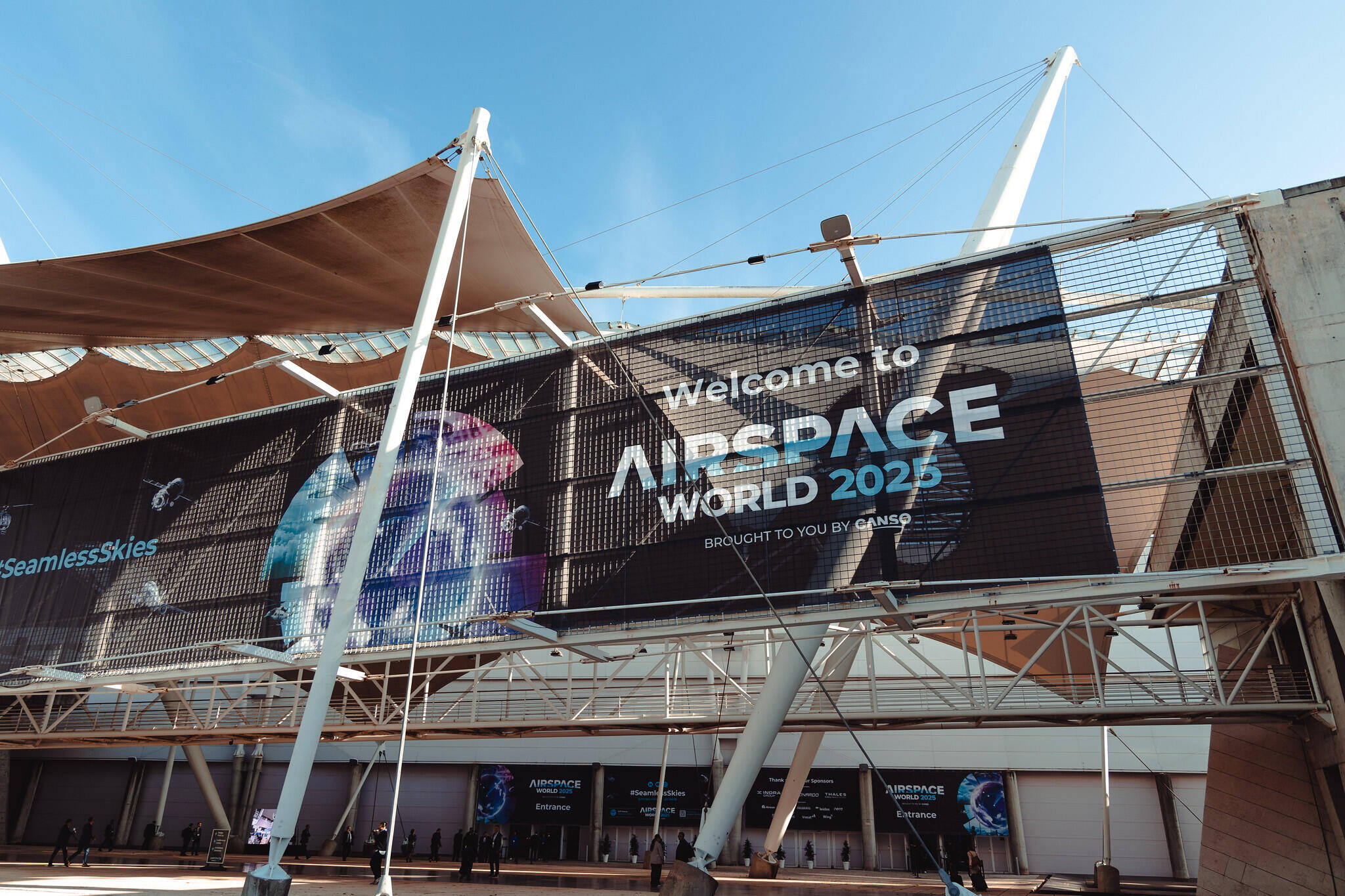
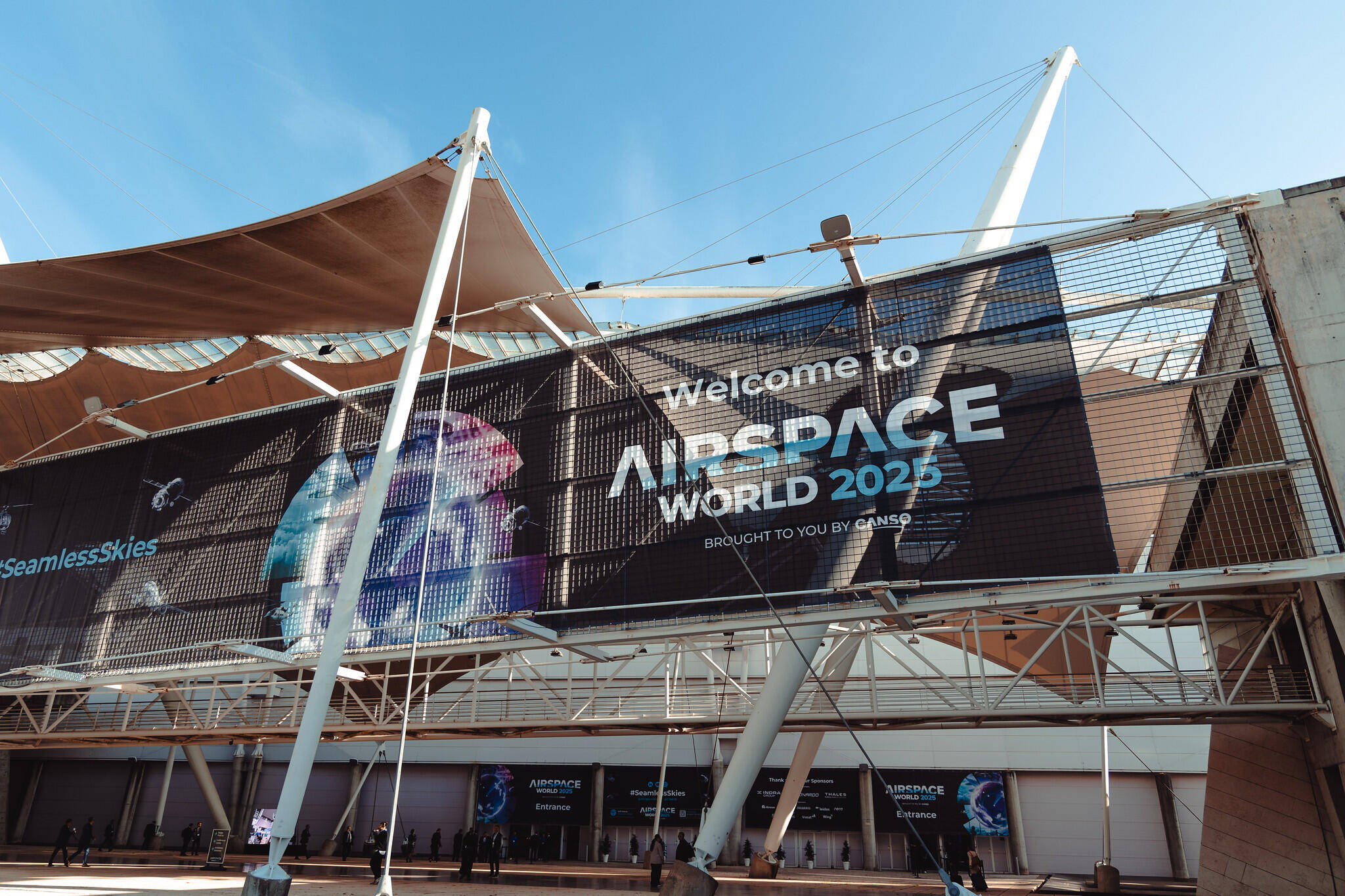
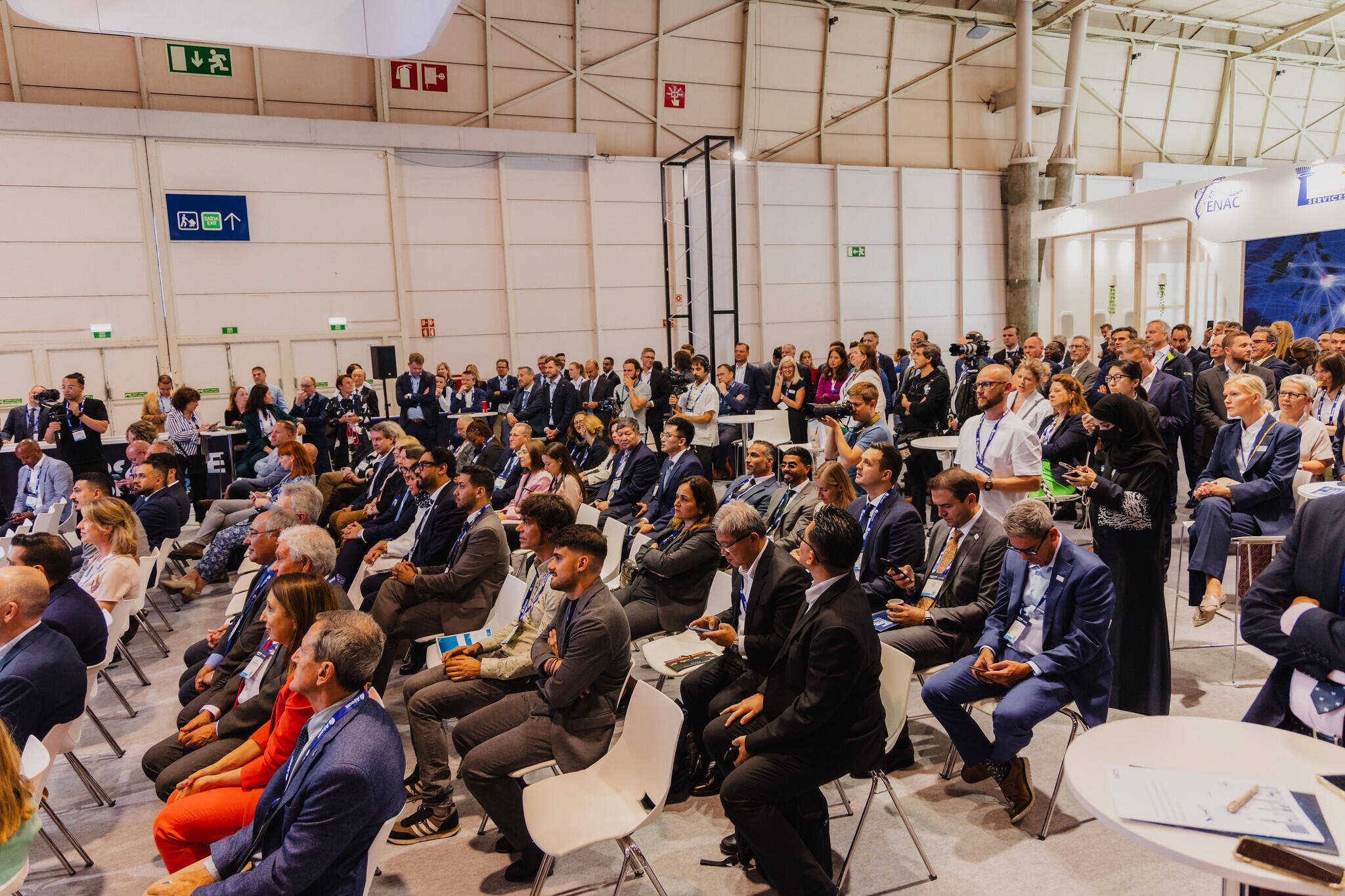
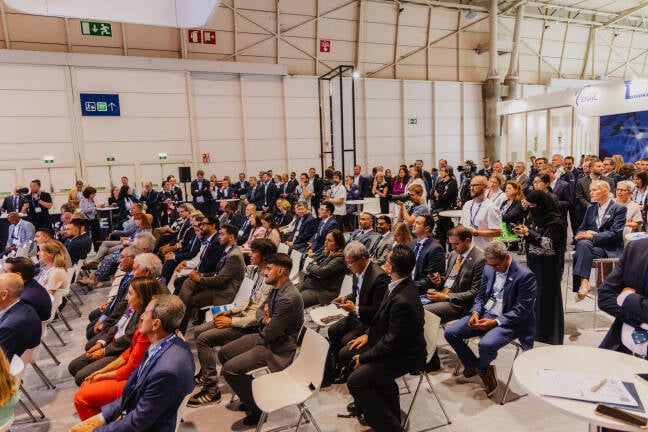
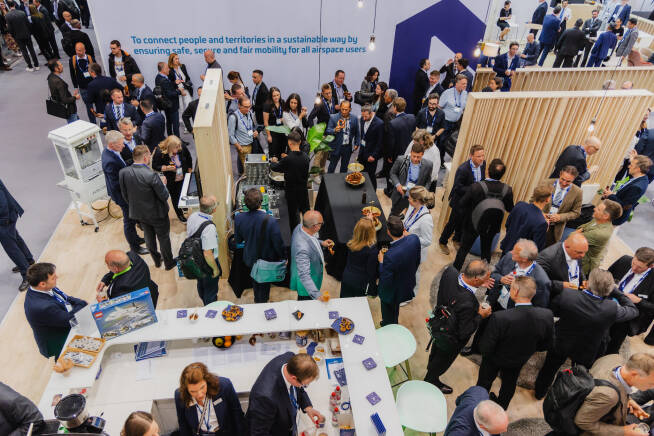
Airspace World in Lisbon was an extraordinary event for many reasons. It showed, for example, how committed this industry is to collaboration and delivering seamless skies. We had some 6,000 delegates, more than 200 exhibitors and close to 150 countries represented. They networked, attended deep-dive theatre sessions and explored the myriad offers and opportunities to advance our sector.
That’s a testament to the relevance of Airspace World and the determination of air traffic management (ATM) professionals to make airspace management safer, more efficient and sustainable.
Airspace World also highlighted that these ideals are not decades away. In fact, many exhibitors demonstrated products that proved the future is already here. From engaging with young talent and eye-tracking technology for air traffic controller (ATCO) recruits to the first company to be officially certified by the European Union Aviation Safety Agency (EASA) as a U-space Service Provider (USSP), the ATM community has taken giant strides forward.
Simon Hocquard, CANSO’s Director General, argues that tomorrow’s skies are available today.
Safety


The future is now.
That is just one reason why CANSO’s Complete Air Traffic System (CATS) is so important. The CATS vision brings all the cutting-edge ideas seen at Airspace World together. We’ve now released a Concept of Operations (CONOPs) that details the milestones on our path to progress. New technologies are difficult to pin down and there will always be disruptors – initiatives that seemingly come out of the blue. Even so, I am confident that the markers we have put down are both ambitious and realistic. And they will keep ATM where it needs to be, one step ahead of industry requirements.
The CATS Global Council is integral to our work. Not only does it back up the collaboration we saw at Airspace World – as it features representatives from internal and external stakeholders – but also it ensures there is no shortage of input. We truly get a big picture view of the impact of every decision. And each suggestion challenges us to do better. That is a sure sign of a healthy industry – one that is always prepared to question its own assumptions in the drive for perfection.
So, the next time you are asked how ATM is going to cope with aviation’s future growth, you can simply point to what is happening today. The ATM community has embraced its responsibilities and is already delivering.
So, when we talk about pioneering ideas in ATCO training or how we can incorporate new airspace users, we would do well to remember that it is already happening.
This is undisputable evidence that our sector is incredibly innovative even under the most trying conditions. Money is tight and the weather is as unpredictable as the geopolitical situation. Even so, there are some incredible ideas out there and viable products that are already providing tangible results.
Describing this sector as being slow to modernise is a lazy categorisation. It doesn’t reflect the reality that was on display at Airspace World.
But though we can all be proud of the work done to date, that doesn’t mean it is time to rest. In fact, we need to accelerate our efforts. We must stay ahead of the curve and accommodate changes before they happen – not a few years after the fact.
Airspace World in Lisbon was an extraordinary event for many reasons. It showed, for example, how committed this industry is to collaboration and delivering seamless skies. We had some 6,000 delegates, more than 200 exhibitors and close to 150 countries represented. They networked, attended deep-dive theatre sessions and explored the myriad offers and opportunities to advance our sector.
That’s a testament to the relevance of Airspace World and the determination of air traffic management (ATM) professionals to make airspace management safer, more efficient and sustainable.
Airspace World also highlighted that these ideals are not decades away. In fact, many exhibitors demonstrated products that proved the future is already here. From engaging with young talent and eye-tracking technology for air traffic controller (ATCO) recruits to the first company to be officially certified by the European Union Aviation Safety Agency (EASA) as a U-space Service Provider (USSP), the ATM community has taken giant strides forward.